
Imagine living with a traumatic brain injury (TBI), where everyday tasks like reading, organizing your thoughts, writing, or planning for the future suddenly become overwhelming.
Now imagine discovering a tool that helps you regain confidence, communicate your ideas, and pursue your dreams again.
For Adeline, artificial intelligence (AI) has become exactly that.
In this inspiring presentation, she shares how AI transformed the way she navigates life after brain injury – not by replacing her abilities, but by helping her build on them.
🌻 Looking Beyond Recovery
After living with a traumatic brain injury for more than two years, Adeline reached a point where she wanted to start thinking about the future again.
Instead of focusing only on appointments, therapies, and recovery, she wanted something exciting to work toward – advocating for other brain injury survivors.
She dreamed of creating a website filled with resources she had discovered through support groups and fellow survivors. The challenge? She didn’t have the energy, technical skills, or financial resources to hire a web developer.
That’s when she discovered AI.
🌐 Building a Website Without Coding
Using AI, Adeline was able to create a professional personal website in just minutes by simply describing her background and uploading photographs.
The AI organized her career history, achievements, and life experiences into a polished webpage that she could share with others.
For many brain injury survivors, technology like this can remove barriers that once seemed impossible.
Sometimes all it takes is an idea – and the courage to ask AI for help.
📖 Turning Ideas Into a Book
One of Adeline’s goals was to create simple brain injury resources that anyone could understand.
Using ChatGPT, she wrote a 100-page book filled with gentle recovery strategies, positive reminders, and space for readers to write personal reflections.
She discovered something important:
The quality of AI’s response depends on the instructions you give it.
By asking for:
🌻 Simple language
🎨 Emojis for easier reading
📝 Reflection pages
💛 Encouraging wording
she created a resource designed specifically for people living with cognitive fatigue and memory challenges.
💼 AI as a Personal Career Coach
AI also helped Adeline prepare for her next chapter.
When she wanted financial assistance to become a Certified Peer Support Specialist, ChatGPT helped her create a professional one-page résumé focused on her goals.
Instead of starting with a blank page, she collaborated with AI until the document reflected exactly what she wanted.
As Adeline points out:
One of the best things about AI is that you can keep asking it to improve something until you’re happy with the result.
🧘 Creating AI for Emotional Support
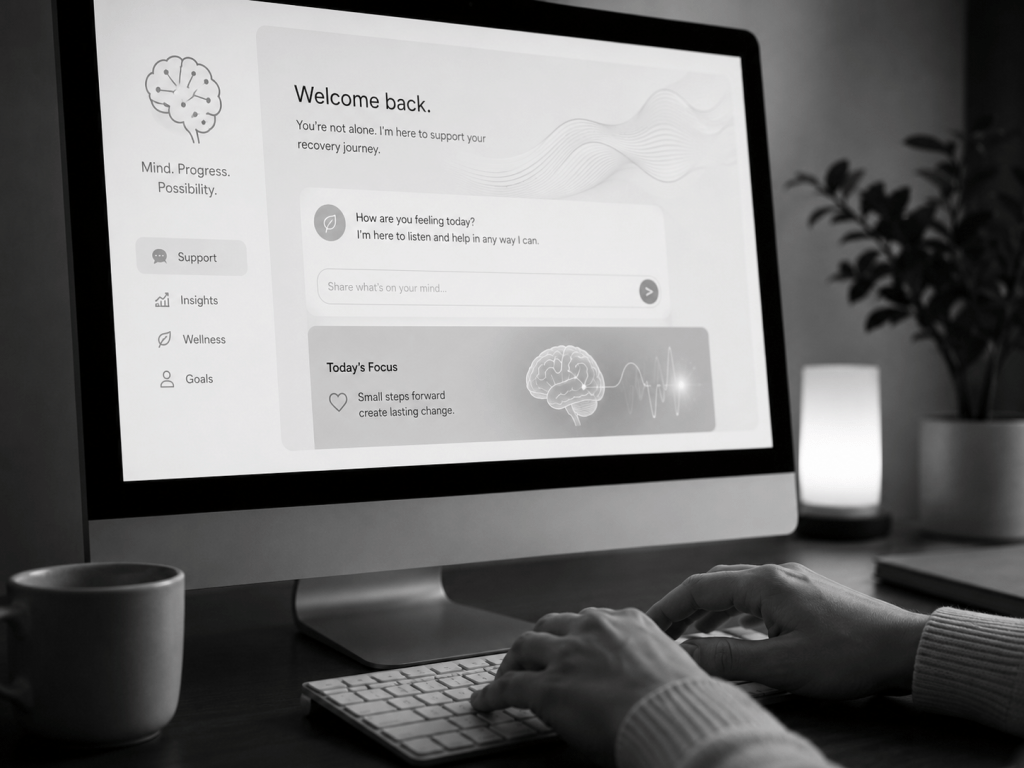
One of Adeline’s most creative projects was building an application she calls AI Buddha.
Inspired by Buddhist teachings on peace and emotional regulation, she created an AI experience that responds to difficult life situations with calming, thoughtful guidance.
It wasn’t designed to replace therapy or counseling.
Instead, it became another tool to help her process emotions, reduce stress, and approach challenges with compassion.
This project demonstrates something powerful:
AI can be personalized to support what matters most to you.
📚 Making Information Easier to Understand
Reading became one of the biggest challenges after Adeline’s brain injury.
She found herself forgetting what she had just read and needing to reread paragraphs repeatedly.
Then she realized AI could help.
Instead of struggling through long, complex books, she asked ChatGPT to:
📖 Summarize books into simple language
🧠 Highlight only the key lessons
🌈 Add emojis for easier reading
✍️ Organize information into shorter sections
This made learning more accessible while reducing mental fatigue.
📄 Helping Caregivers and Survivors
Adeline also demonstrated how AI can simplify educational materials for caregivers.
Rather than sharing lengthy therapy manuals, she uploaded them into ChatGPT and asked the AI to rewrite them in clear, beginner-friendly language while avoiding copyright infringement.
The result was information that felt far less overwhelming for survivors and families alike.
💡 AI Is a Tool – Not a Replacement
Throughout her presentation, Adeline reminds viewers that AI is not a doctor, therapist, or lawyer.
Instead, it’s a tool that can help people:
🧠 Organize their thoughts
📚 Learn more effectively
✍️ Write books and journals
💼 Create résumés
🌐 Build websites
❤️ Explore ideas and creativity
🤝 Gain confidence after brain injury
Used wisely, AI can help people accomplish tasks that once felt out of reach.
🌱 Hope Through Technology
Perhaps the most inspiring part of Adeline’s story isn’t the technology itself.
It’s what the technology represents.
Hope.
Hope that recovery doesn’t mean giving up on dreams.
Hope that new tools can open new doors.
Hope that brain injury survivors can continue creating, learning, teaching, and making a difference.
As technology continues to evolve, AI may become one more way to help people regain independence and confidence after life-changing injuries.
For Adeline, AI didn’t replace her voice.
It helped amplify it.
💬 We’d Love to Hear From You
Have you ever used AI to make daily life easier?
If you’re living with a brain injury, what tasks would you like AI to help with?
Share your thoughts in the comments. Your experience could inspire someone else to explore new possibilities.
🌻 About Love Love Brain
At Love Love Brain, we believe that every survivor deserves hope, encouragement, and practical tools for recovery. Through educational resources, inspiring stories, expert interviews, and real-life experiences, our mission is to support brain injury survivors, caregivers, and families on their healing journey.
Together, we can raise awareness, build understanding, and remind the world that recovery is about more than healing – it’s about rediscovering purpose, possibility, and hope.


Do you Love Love YOUR Brain?