
Have you ever reached the middle of the day feeling mentally exhausted, even though you haven’t accomplished everything you planned? Sometimes, it’s not just the big tasks that use up our energy. Even small, everyday decisions can add up.
In this conversation, Adeline Arjad and Alex Lombardi discuss decision fatigue and why being intentional about how we use our mental energy can be especially important after a brain injury.
🧠 What Is Decision Fatigue?
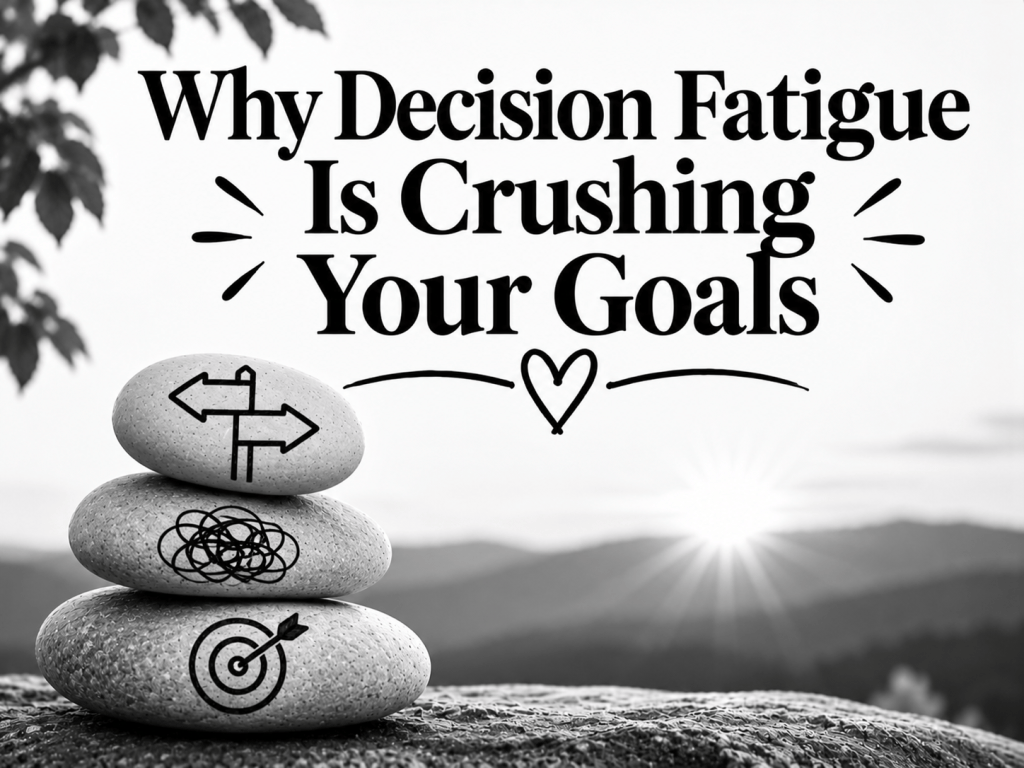
Decision fatigue refers to the mental exhaustion that can come from making repeated decisions throughout the day.
Alex explains that even ambitious people can experience decision fatigue. For someone living with a brain injury, managing everyday choices may feel particularly demanding.
She uses simple examples of decisions we make as soon as we wake up:
👗 What should I wear today?
🍳 What should I have for breakfast?
🧂 Do I want salt on my eggs?
🎯 What should I do first?
These choices may seem small, but they can add up throughout the day.
🔋 Everyday Choices Use Mental Energy
Alex illustrates how quickly we can use our mental energy by pointing to the number of decisions involved in an ordinary morning.
Before finishing breakfast, we may already have made numerous choices without even realizing it.
For people navigating brain injury, this can make planning and completing daily activities feel more challenging.
When so much energy goes into deciding what to do, there may be less capacity left for tasks that require focus, concentration, and effort.
🎯 Prioritize What Matters Most
Alex offers a practical suggestion: if you have a business, personal goals, or daily responsibilities, try to start your day with the task that will help move your goals and dreams forward.
Instead of spending your best mental energy on less important decisions, identify what matters most and give it priority.
This connects with the goal-setting approach discussed in their earlier conversation, where Alex introduced the idea of breaking big goals into smaller steps and focusing on one important task at a time.
🌱 Make Your Day More Intentional
You don’t have to plan every minute of your day to become more intentional with your energy.
You can start by identifying one meaningful task before your day gets busy. Think about what you want to accomplish and decide what small action will help you move forward.
The goal is to reduce unnecessary decision-making and make room for the things that matter to you.
💗 Love Love Brain Thoughts
Living with a brain injury can mean learning to approach everyday activities differently. Tasks that once felt automatic may now require more thought, planning, and energy.
Alex’s message encourages us to pay attention to how we use our mental energy. Not every decision needs the same amount of attention, and not every task needs to come first.
If you have something important you want to accomplish, consider giving it attention early in your day, when you feel most able to focus.
Sometimes, protecting your energy starts with making one intentional decision about what matters most.
💬 We’d Love to Hear From You
Do you find yourself feeling mentally exhausted after making everyday decisions?
What strategies help you manage decision fatigue and prioritize the things that matter most?
Share your thoughts in the comments. Your experience may help someone else discover a new way to manage their day. 💗
🎥 Watch the interview
Watch Adeline Arjad and Alex Lombardi discuss decision fatigue, mental energy, and why prioritizing important tasks can make a difference when working toward your goals.
📚 Learn More About Alex Lombardi
Alex’s Book Title:
What You Build From Here
Alex’s Website:
Alex Lombardi Official
Alex’s Instagram:
@alexlombardiofficial
Alex’s Facebook:
Alex Marie Lombardi
Alex’s Podcast:
Explore Enriched with Alex Lombardi on Apple Podcasts.
Book Review:
What You Build From Here
Get the Book on Amazon:
What You Build From Here
Visit Alex’s website to learn more about her work, speaking opportunities, and The Brain Edit™.
If you enjoyed this interview, consider exploring Alex’s book and following her work for more ideas on intentional living, personal development, building sustainable habits, and creating a life aligned with your goals.
Affiliate disclosure: Love Love Brain may earn a commission from qualifying purchases made through the Amazon affiliate link, at no additional cost to you.
📱 Follow and Support Love Love Brain
If this message speaks to you, please support Love Love Brain by following us on social media. 💗
Stay connected for more stories, reflections, helpful information, and supportive content about brain injury, recovery, resilience, and everyday life.
Click the buttons below to follow and support us on social media:
Note: Every brain injury is different. This content is for education and support, not medical advice. The experiences shared in this interview are personal, and strategies that help one person may not be appropriate for everyone.


Do you Love Love YOUR Brain?