
After a brain injury, it can be difficult to accept that life may not look the way it once did. You might miss your old routines, career, business, independence, or the person you were before your injury.
In this conversation, Adeline and Alex Lombardi discuss an important part of moving forward: learning to recognize small wins, letting go of constant comparisons with the past, and focusing on the person you want to become.
Their message is not about pretending that brain injury is easy. It is about recognizing that, when you are ready, you can begin building something new with the abilities, resources, and opportunities available to you today.
🌱 Focus on the Small Wins
Alex talks about how important it is to recognize the small accomplishments that happen along the way.
Instead of spending the entire day thinking about what you have lost, she encourages focusing on what you can do now. Every small achievement can become another reason to feel encouraged.
These wins may seem insignificant to someone else, but they can represent meaningful progress after a brain injury.
Adeline and Alex also discuss developing new skills, exploring new ideas, and making a commitment to work with what is currently available.
You do not have to rebuild your entire life in one day. Sometimes, moving forward begins with one manageable action.
💗 Give Yourself Permission to Grieve
Alex acknowledges that people who previously experienced professional success, built businesses, became authors, or held leadership positions may feel a strong desire to return to their former lives.
It is understandable to miss the work, independence, and accomplishments that once defined your daily routine.
Alex also shares a personal reflection about a time when a member of her team struggled with mental health challenges. At the time, Alex suggested writing a gratitude list and choosing to be happy. Because she had not experienced depression or anxiety herself, she did not fully understand what that person was going through.
Looking back, she recognizes how much her perspective has changed. Her own experiences have given her a deeper sense of compassion for people who are struggling.
This is an important reminder: we do not always understand another person’s challenges until we experience something that changes our own perspective.
There is room for sadness, frustration, and grief after a brain injury. You do not have to rush through those feelings or pretend everything is fine.
🦋 You May Not Be the Same Person, and That’s Okay
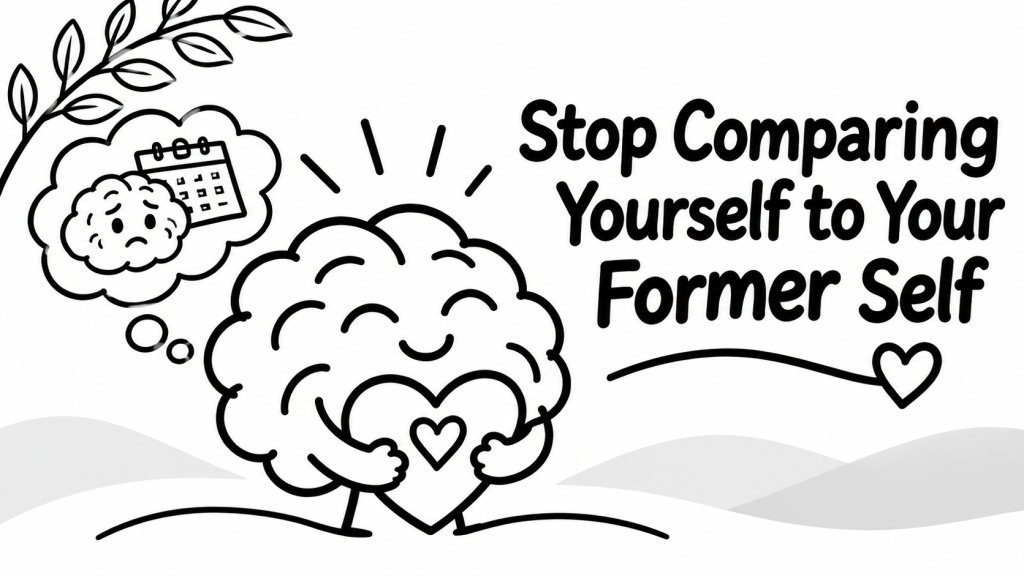
Alex shares one of her strongest beliefs: after a brain injury, you may not return to being exactly the same person you were before.
Rather than spending all your energy trying to recreate your former life, she encourages thinking about who you want to become moving forward.
This does not mean your past achievements no longer matter. It means you can acknowledge your past while allowing yourself to develop new goals, skills, and ways of living.
Ask yourself:
🌱 What kind of person do I want to become?
✨ What character traits would I like to develop?
💗 What qualities do I want to bring into my everyday life?
🌷 What small actions can help me practice those qualities?
Alex explains that goal setting, scheduling, and setting boundaries are not just about completing tasks. They are also opportunities to develop the character traits you want to embody.
🎯 Build Your Day Around What You Can Do
Adeline shares a practical example of keeping things simple in her daily routine. She describes getting up, brushing her teeth, putting on her workout clothes, and using her exercise equipment instead of allowing it to collect dust.
It may sound like a small routine, but small actions can help create structure and a sense of accomplishment.
You can apply the same idea by choosing one manageable activity for the day.
For example:
👗 Get dressed and prepare for the day.
🪥 Brush your teeth.
👟 Put on comfortable clothes for a short workout.
🎨 Spend a few minutes doing something you enjoy.
✅ Complete one small task you have been putting off.
Your daily goals do not have to look like your old routine. They should reflect your current abilities, energy, and circumstances.
⏳ Moving Forward Happens When You’re Ready
Alex makes an important distinction: her book is not for everyone at every stage of recovery.
She recognizes that there is a time when someone needs to be upset, acknowledge how difficult the experience has been, and process what has happened.
Skipping those feelings does not necessarily make them disappear. They may need attention later.
Her message is intended for people who feel ready to begin moving forward.
When that time comes, you can start asking different questions. Instead of focusing only on what life used to be, consider what is possible now.
You do not need to have everything figured out. You only need to identify a starting point that feels manageable.
💗 Love Love Brain Thoughts
A brain injury can change many parts of life, including your routines, relationships, abilities, and sense of identity. Missing the person you were before is understandable, and there is no single timeline for accepting those changes.
But your life is not limited to what you could do before your injury.
Small wins matter. New skills matter. Compassion for yourself matters. And becoming someone new does not mean forgetting who you used to be.
You can honor your past while making room for a different future. Start with what is available to you today, and give yourself permission to take one step at a time.
💬 We’d Love to Hear From You
Have you ever found yourself comparing your current life with the person you were before your brain injury?
What small wins have helped you feel that you are moving forward?
Share your thoughts in the comments. Your experience may encourage someone else who is learning to navigate life after brain injury. 💗
🎥 Watch the Video
Watch Adeline and Alex Lombardi discuss small wins, self-compassion, and learning to build a new life after brain injury.
📚 Learn More About Alex Lombardi
Alex’s Book Title:
What You Build From Here
Alex’s Website:
Alex Lombardi Official
Alex’s Instagram:
@alexlombardiofficial
Alex’s Facebook:
Alex Marie Lombardi
Alex’s Podcast:
Explore Enriched with Alex Lombardi on Apple Podcasts.
Book Review:
What You Build From Here
Get the Book on Amazon:
What You Build From Here
Visit Alex’s website to learn more about her work, speaking opportunities, and The Brain Edit™.
If you enjoyed this interview, consider exploring Alex’s book and following her work for more ideas on intentional living, personal development, building sustainable habits, and creating a life aligned with your goals.
Affiliate disclosure: Love Love Brain may earn a commission from qualifying purchases made through the Amazon affiliate link, at no additional cost to you.
📱 Follow and Support Love Love Brain
If this message speaks to you, please support Love Love Brain by following us on social media. 💗
Stay connected for more stories, reflections, helpful information, and supportive content about brain injury, recovery, resilience, and everyday life.
Click the buttons below to follow and support us on social media:
Note: Every brain injury is different. This content is for education and support, not medical advice.


Do you Love Love YOUR Brain?