
Have you ever felt that you are not good enough?
Do you sometimes compare yourself to others? Do you find it difficult to say no? Maybe you spend so much time taking care of everyone else that you forget to take care of yourself.
These feelings can become even more difficult after a brain injury.
Life may look very different than it did before. You might not have the same energy, memory, independence, or abilities. Things that were once easy may now take more time and effort.
Sometimes, you may even feel like you have lost a part of yourself.
But here is something important to remember:
Your worth has not changed, even if your life has. 💛
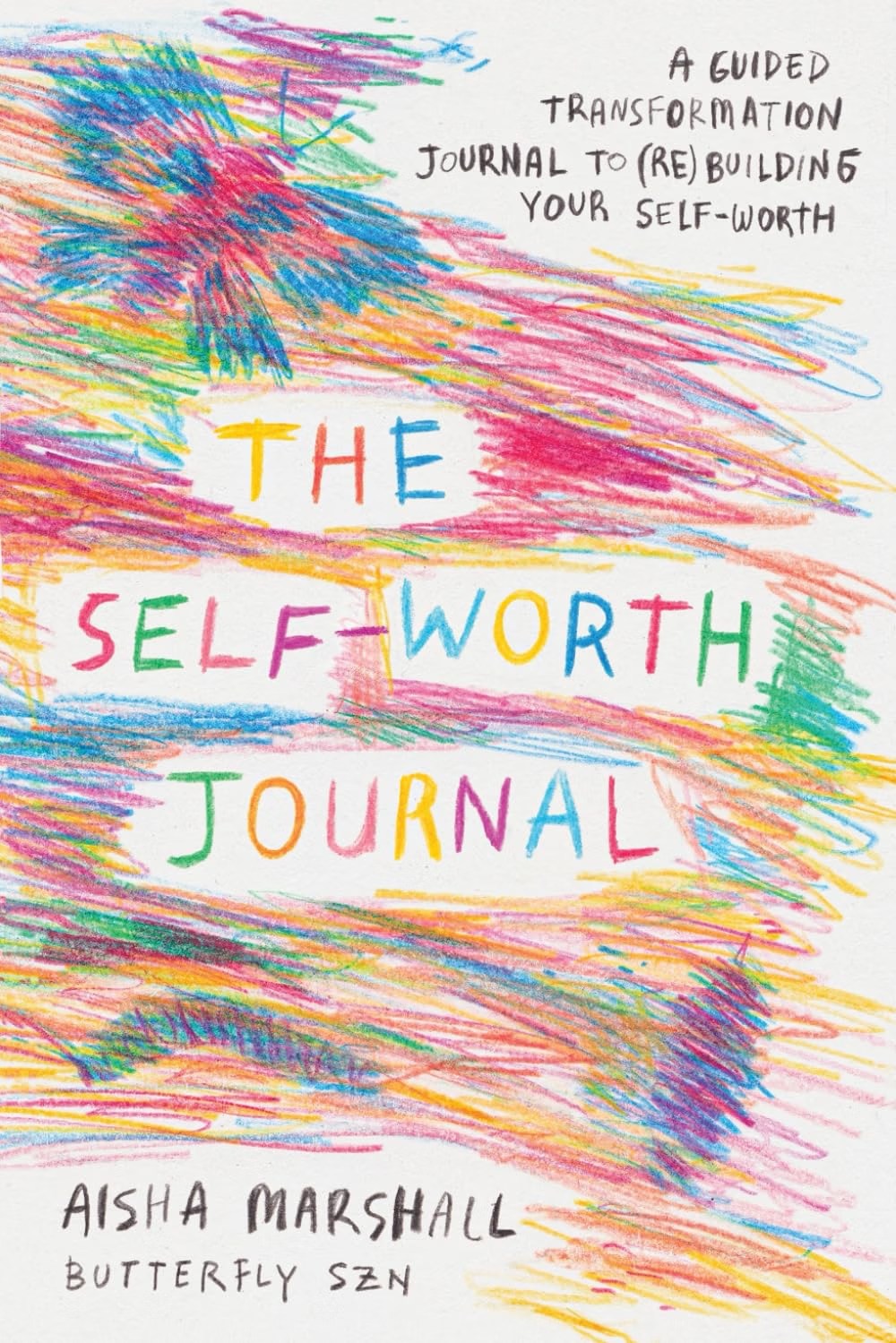
In The Self-Worth Journal: A Guided Transformation Journal to (Re)Building Your Self-Worth, Aisha Marshall offers a guided approach to understanding yourself, recognizing unhealthy patterns, and building a healthier relationship with yourself.
Published by Butterfly SZN, this journal encourages readers to explore their feelings, understand their needs, set boundaries, and learn to trust themselves.
Let’s take a closer look at this journal and how its message can connect with the brain injury community.
💗 What Does Self-Worth Really Mean?
Self-worth means knowing that you are valuable just as you are.
You do not have to be perfect.
You do not have to make everyone happy.
You do not have to accomplish something every day to deserve love and respect.
Sometimes, we measure our value by what we can do.
We ask ourselves:
✅ Did I finish everything today?
💗 Did I make everyone happy?
📋 Was I productive enough?
🪞 Am I doing as well as other people?
After a brain injury, these questions can be especially difficult.
You may compare your life today with your life before your injury.
You might feel frustrated because you cannot do everything you used to do.
But your value is not measured by your memory, energy, productivity, or independence.
You are still worthy of love, kindness, and respect.
🐛 1. Caterpillar Season: Understanding Your Habits
The journal introduces three stages of personal growth. The first is called Caterpillar Season.
This stage is about becoming aware of your habits and behaviors.
Sometimes, we develop habits without realizing how they affect us.
For example:
🤝 People-pleasing: Always saying yes because you do not want to disappoint others.
🎯 Perfectionism: Feeling that everything must be perfect.
🎮 Over-controlling: Wanting to control everything because uncertainty feels uncomfortable.
🙈 Avoiding emotions: Keeping yourself busy so you do not have to deal with difficult feelings.
🚪 Withdrawing: Staying away from people when life becomes overwhelming.
Why do we do these things?
Sometimes, these habits develop because we want to feel accepted, safe, or loved.
For someone with a brain injury, people-pleasing might look like saying yes to an invitation even when you are already exhausted.
You might hide your symptoms because you do not want others to worry.
You might pretend everything is fine because you do not want to explain your struggles.
Recognizing these habits is the first step toward understanding yourself.
There is no need to blame yourself. The goal is to learn what you need and how you can take better care of yourself. 🌷
🦋 2. Cocoon Season: Understanding Your Feelings
The second stage is called Cocoon Season.
This stage encourages readers to look deeper into their emotions and understand why they react in certain ways.
For example:
Why is it difficult to say no?
Why do you feel guilty when you rest?
Why do you worry about disappointing people?
Why is it difficult to ask for help?
Sometimes, our actions are connected to feelings we have not fully understood.
Someone who always tries to please others may be afraid of rejection.
Someone who wants to control everything may be looking for a sense of security.
Someone who avoids difficult conversations may be afraid of conflict.
The journal includes reflection exercises and helpful tools, such as:
🌀 Self-Worth Erosion Wheel
💗 Self-Worth Repair Wheel
📝 Unmet Needs List
🎨 Emotion Wheel
These tools encourage readers to recognize their feelings and understand what they may need.
This can be meaningful for brain injury survivors, too.
A brain injury can affect emotions, stress, and relationships.
You might feel frustrated, sad, anxious, or overwhelmed without immediately understanding why.
Taking a little time to identify your feelings can help you understand yourself better.
Remember, you do not have to feel happy all the time.
It is okay to have difficult days. 💛
🌱 3. Butterfly Season: Learning to Trust Yourself Again
The third stage is called Butterfly Season.
This stage focuses on putting what you have learned into practice.
The journal introduces six pillars of self-worth:
1. Promises 🤝
Learn to keep the promises you make to yourself. Start with small, realistic commitments.
2. Values 🌻
Understand what matters most to you. Make choices that reflect your own values instead of always trying to please others.
3. Boundaries 🚧
Learn to say no when something does not feel right or does not work for you.
4. Respect 💗
Treat yourself with kindness and respect, even when you make mistakes.
5. Evidence 🌱
Build trust in yourself through small actions that show you can depend on yourself.
6. Repair 🦋
When you fall back into old habits, do not give up on yourself. Learn from the experience and try again.
These six pillars remind us that building self-worth takes practice.
It does not happen overnight.
For someone recovering from a brain injury, keeping a promise to yourself might be as simple as taking a break when you feel tired.
It might mean asking for help instead of struggling alone.
It could also mean celebrating a small accomplishment.
Every small step matters.
🧠 Rebuilding Your Identity After Brain Injury
One of the hardest parts of life after a brain injury can be learning who you are now.
You may remember how independent, active, or energetic you were before your injury.
Now, everyday activities might require more time, planning, or assistance.
You may sometimes wonder:
“Will I ever feel like myself again?”
“Why can’t I do the things I used to do?”
“Am I still the same person?”
These feelings are understandable.
Brain injury can change many parts of life, but it does not take away your value as a person.
You are not defined by your memory problems.
You are not defined by how quickly you finish a task.
You are not defined by how much help you need.
You are so much more than your injury.
Instead of focusing only on what has changed, try asking yourself:
🌞 What do I enjoy today?
💗 What are some things I appreciate about myself?
🤝 What do I need to feel supported?
🌷 What small things make me happy?
You may discover new interests, strengths, and ways to enjoy life.
You do not have to become exactly who you were before your injury to have a meaningful future. 🌻
💛 Learning to Say No Without Feeling Guilty
Setting boundaries is another important part of self-worth.
For brain injury survivors, boundaries can help make everyday life more manageable.
For example:
🌿 You can say no to an invitation when you are tired.
🔇 You can leave a noisy place when you feel overwhelmed.
🔁 You can ask someone to repeat information.
⏳ You can take more time to answer a question.
💗 You can explain that you need rest.
Sometimes, saying no can make us feel guilty.
We may worry that people will misunderstand us or feel disappointed.
But taking care of yourself is not selfish.
You can love your family and friends while still respecting your own needs.
You can help others without forgetting yourself.
And you can say no without feeling that you have done something wrong.
Your needs matter, too. 💗
🌷 Small Steps Can Make a Difference
You do not have to change everything at once.
Building self-worth can begin with small everyday actions.
Here are a few simple examples:
🌿 Give yourself permission to rest.
🎉 Celebrate something you accomplished today.
🤝 Ask for help when you need it.
🪞 Stop comparing your progress with someone else’s.
🌷 Spend time doing something you enjoy.
💗 Speak to yourself kindly.
🌈 Remember that having a difficult day does not mean you have failed.
If writing or concentrating is difficult after a brain injury, you can take your time with the journal.
You do not have to complete several pages in one sitting.
Write a few sentences.
Take a break.
Come back when you feel ready.
Your personal growth does not need to follow anyone else’s schedule.
📖 What Makes The Self-Worth Journal Special?
The Self-Worth Journal is more than a blank notebook.
It is a guided journal designed to help readers understand their thoughts, feelings, and behaviors.
The 200-page journal includes nine guided Heartwork exercises, reflection tools, and activities to help readers explore their self-worth.
One interesting part is its three-stage approach:
🐛 Caterpillar Season: Recognize your habits and patterns.
🦋 Cocoon Season: Understand your emotions and unmet needs.
🌱 Butterfly Season: Practice healthier habits and rebuild self-trust.
The journal encourages readers to work at their own pace.
You do not need to finish everything in one day.
You can take your time, reflect on your experiences, and return to the exercises whenever you are ready.
💗 Love Love Brain Thoughts
At Love Love Brain, we believe that life after a brain injury is about more than physical and cognitive recovery.
It is also about learning to accept yourself, finding new ways to enjoy life, and discovering that you are still valuable.
A brain injury can change your independence, relationships, confidence, and sense of identity.
Sometimes, we become our own toughest critics.
We get upset when we forget something.
We feel guilty when we need help.
We become frustrated when we cannot do as much as we would like.
We may even forget to celebrate the things we can still do.
This is why the message of The Self-Worth Journal is so meaningful.
It reminds us that we do not have to prove our worth.
We do not have to be perfect.
We do not have to accomplish something extraordinary every day.
And we do not have to hide our struggles to be accepted.
We especially appreciate the reminder that small actions matter.
Taking a break, asking for help, setting boundaries, or simply being kinder to yourself can be meaningful steps.
For brain injury survivors, some days will be easier than others. That is part of living with a condition that can affect so many areas of life.
This journal is a personal-growth resource, not a brain injury treatment program or a replacement for professional support. Some exercises may bring up difficult feelings, so it is important to work at a comfortable pace.
Our reminder to you is simple:
You are more than your brain injury.
You are more than your struggles.
You are more than the things you can or cannot do.
You deserve love, respect, and happiness exactly as you are.
Be patient with yourself. Celebrate your progress, even when it seems small.
And remember, you are still growing. 🌷
🌟 Key Takeaways
Here are some important reminders from The Self-Worth Journal:
💗 Your worth is not based on what you accomplish.
🐛 Recognizing your habits can help you understand yourself.
🦋 Understanding your feelings can help you make healthier choices.
🌻 Setting boundaries is a way of taking care of yourself.
🤝 Keeping small promises can help rebuild self-trust.
🌱 It is okay to ask for help and take breaks.
💛 You do not have to be the person you were before your injury to have a meaningful life.
💬 We’d Love to Hear From You!
Have you ever struggled with your self-worth after a brain injury?
Do you sometimes feel guilty when you need to rest or ask for help?
Have you learned to set boundaries and become kinder to yourself?
What is one thing you appreciate about yourself today?
We would love to hear your thoughts and experiences.
Share your story in the comments. Your experience might help someone else feel understood and less alone. 💗
🛒 Get the Book on Amazon
Love Love Brain may earn a small commission from qualifying purchases made through our Amazon affiliate links. This comes at no additional cost to you and helps support our work.
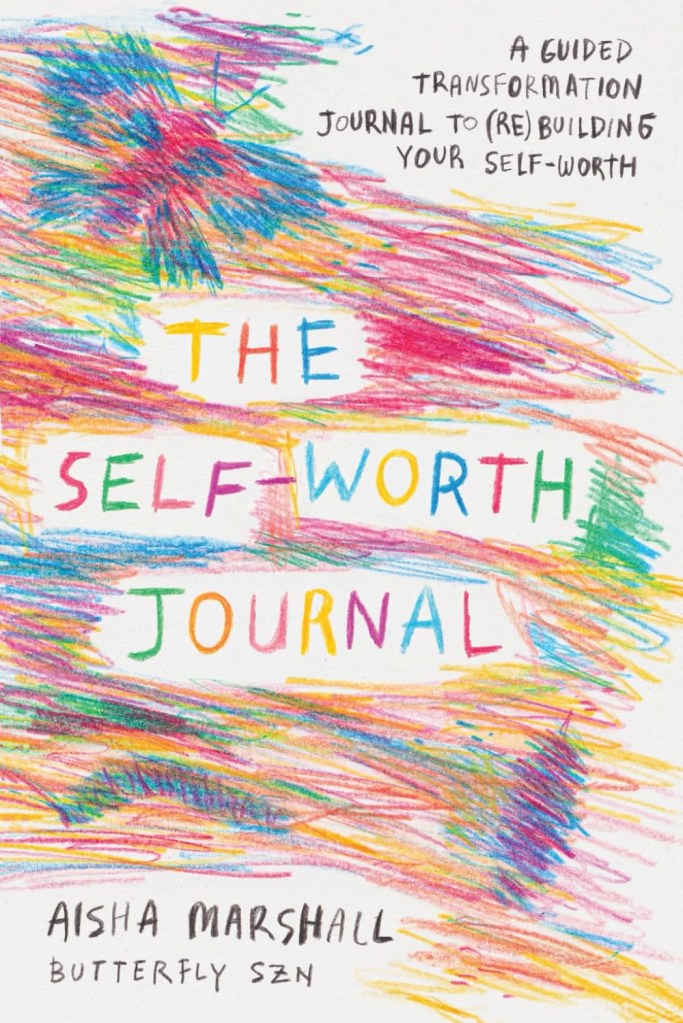
Book cover belongs to the publisher and is displayed for identification and review purposes.
Disclaimer: This review is for educational and informational purposes only. It is not medical advice or a substitute for professional healthcare or mental health support. Every brain injury and recovery journey is different. Take your time with personal reflections and seek professional support if an exercise brings up difficult emotions.


Do you Love Love YOUR Brain?