
Have you ever wondered how to move forward when life changes after a brain injury?
Maybe you struggle with memory, fatigue, or concentration. Perhaps you feel frustrated because everyday activities take more effort than they used to.
You might miss the person you were before your injury and wonder how to build a meaningful life with the challenges you face today.
If these feelings sound familiar, you are not alone.
Living with a brain injury can be difficult. It can change the way we think, feel, communicate, and experience the world.
But sometimes, the best advice comes from someone who has walked a similar path.
In Silver Learnings: Practical Wisdom for Living with Brain Injury, Carole J. Starr shares 25 valuable lessons from her 25 years of living with a brain injury.
Rather than offering complicated medical information, Carole shares practical strategies, personal wisdom, and gentle encouragement to help survivors navigate life after brain injury.
Her message reminds us that even when life changes, it is still possible to find happiness, purpose, and meaning.
Let’s explore what makes this book a meaningful resource for brain injury survivors, caregivers, and families. 🌷
💗 1. Learning to Accept Your New Reality
One of the biggest challenges after a brain injury is accepting that life may never look exactly the same.
You may remember the person you were before your injury.
Perhaps you were independent, energetic, and always busy. You may have enjoyed working, traveling, socializing, or participating in activities without worrying about your energy levels.
After a brain injury, things can change.
You may experience:
🧠 Memory difficulties.
🔋 Mental fatigue.
☀️ Sensitivity to light or sound.
🎯 Problems with concentration.
💗 Emotional changes.
📋 Difficulty planning and organizing tasks.
These changes can be frustrating and sometimes heartbreaking.
Carole Starr understands this experience because she is also a brain injury survivor.
Her own injury happened in a car accident in 1999. Before her injury, she worked as an educator and enjoyed playing the violin and singing.
After her injury, she had to let go of many parts of her previous life.
Over time, she learned to build a different life by focusing on what she could do, using helpful strategies, and accepting support.
Her experience reminds us that accepting brain injury does not mean giving up.
It means learning how to move forward while recognizing that life may look different now.
🧠 2. Understanding Mental Fatigue and Cognitive Overload
Have you ever felt completely exhausted after doing something that seems easy for everyone else?
Perhaps you went grocery shopping, attended a social gathering, or spent time talking with friends.
Afterward, your brain felt tired, and you needed time to recover.
This is something many brain injury survivors experience.
Mental fatigue is different from ordinary tiredness.
Your brain may need more energy to process information, concentrate, remember things, and complete everyday activities.
Cognitive overload can also happen when too much information, noise, activity, or stimulation becomes overwhelming.
Learning to recognize your limits is important.
You may need to:
⏸️ Take regular breaks.
🎯 Do one task at a time.
🔇 Reduce background noise.
⏳ Allow extra time for activities.
🔋 Rest before becoming completely exhausted.
📅 Avoid filling your schedule with too many commitments.
The book explores ways to manage mental fatigue and cognitive overload.
Its message is especially important: You do not have to push yourself constantly to prove that you are making progress.
Rest is part of taking care of yourself. 🌻
🌱 3. Finding Yourself After Brain Injury
Who are you after a brain injury?
This can be one of the hardest questions survivors face.
You may feel that your old identity has disappeared.
Perhaps you can no longer work in the same way. Maybe you have lost hobbies, responsibilities, or activities that once brought you happiness.
You might even feel disconnected from the person you used to be.
It is normal to grieve these changes.
You are allowed to miss your old life while still making room for a new one.
Rebuilding your identity does not mean forgetting who you were.
It means discovering what is meaningful to you today.
Try asking yourself:
🎨 What activities do I still enjoy?
😊 What makes me feel happy?
🌱 What new interests would I like to explore?
💪 What strengths have I discovered?
🌞 What does a meaningful day look like for me now?
You may discover that happiness can come from different places than before.
Sometimes, a new beginning starts with accepting that you are allowed to grow in a different direction. 💗
🌷 4. Learning to Accept Difficult Feelings
Brain injury can bring many emotions.
You may feel sad, angry, frustrated, lonely, or disappointed.
Sometimes, you may experience several emotions in one day.
You might feel happy about a small accomplishment and frustrated when another activity does not go as planned.
You may also experience grief over the things that have changed.
It is important to remember that you do not have to be positive all the time.
You can have a difficult day and still be making progress.
You can feel frustrated and still appreciate your life.
You can miss your old abilities while learning to appreciate your current strengths.
Give yourself permission to feel what you feel.
You do not need to rush through the emotional side of recovery.
💛 5. Building a Strong Support System
You do not have to navigate life after brain injury alone.
Support from family, friends, caregivers, and other survivors can make a meaningful difference.
However, asking for help is not always easy.
Some survivors worry about becoming a burden.
Others feel that people do not understand their invisible symptoms.
This is why connecting with people who understand brain injury can be so valuable.
A support system can provide:
👂 Someone who listens without judging.
💗 Encouragement during difficult days.
🤝 Help with everyday activities.
🌿 Understanding when you need to rest.
💬 Opportunities to share experiences.
🫶 A sense of belonging.
Support groups can also help survivors realize that they are not the only ones experiencing these challenges.
Sometimes, hearing someone say, “I understand what you mean,” can make you feel less alone.
Caregivers and family members can benefit from these connections, too.
Supporting someone with a brain injury can be challenging, and caregivers also deserve understanding and support. 🤝
🦋 6. Discovering New Strengths and Confidence
A brain injury can change what you are able to do, but it does not erase your strengths.
You may need to approach activities differently.
You may need more time, additional support, or new strategies.
But you can still learn, grow, and discover new possibilities.
Perhaps you develop better ways to organize your day.
Maybe you discover a new hobby that works with your energy level.
You might find joy in helping other survivors or sharing your experiences.
Sometimes, confidence grows when we stop comparing ourselves with our past and begin recognizing what we can do today.
You do not need to make huge changes.
Small accomplishments deserve recognition, too.
Every step forward matters. 🌻
🌈 7. Finding Joy and Purpose in a Different Life
One of the most encouraging messages behind Silver Learnings is that life can still be meaningful after brain injury.
Your life may look different from what you imagined.
You may have had to change careers, give up certain activities, or adjust your expectations.
But a different life does not have to mean an unhappy life.
You can find joy in simple experiences.
You can develop new friendships.
You can discover new interests.
You can contribute to your community.
You can help someone else who is struggling.
You can create new goals that reflect your current abilities and interests.
Happiness does not have to look the same for everyone.
Sometimes, it is found in the smallest moments.
A good conversation.
A beautiful morning.
A favorite activity.
A day when you feel comfortable and supported.
These moments matter. 💛
📖 What Makes Silver Learnings Special?
Silver Learnings is different from a traditional medical book or a personal memoir.
It is a survivor’s guide filled with practical lessons and encouragement.
The book contains 25 short, easy-to-read essays based on Carole’s 25 years of experience living with brain injury.
Each chapter can stand on its own, so readers do not have to follow a strict reading order.
This is especially helpful for people who experience mental fatigue or concentration difficulties.
The book also includes:
💭 Reflection questions to help readers think about their own experiences.
🗣️ Group discussion questions for support groups.
🌱 Simple next steps that readers can try in everyday life.
🧩 Practical strategies for adjusting to life after brain injury.
The lessons cover different parts of the brain injury journey, including managing challenges, accepting a changed identity, developing helpful mindsets, and finding ways to thrive.
The book is relevant to people living with different types of brain injury, including traumatic brain injury, post-concussion symptoms, stroke, brain tumors, and other acquired brain injuries.
It is also a helpful resource for caregivers, families, support groups, and professionals who work with brain injury survivors.
💗 Love Love Brain Thoughts
At Love Love Brain, we believe that one of the most powerful things a brain injury survivor can discover is that life can still have meaning, even when it looks different from before.
Sometimes, we spend so much time thinking about what we have lost that we forget to recognize what is still possible.
We compare ourselves with our former selves.
We become frustrated when we cannot complete tasks as quickly as we once did.
We feel discouraged when others do not understand our invisible struggles.
And sometimes, we wonder whether we will ever feel happy again.
This is why we appreciate the message behind Silver Learnings.
Carole Starr is not simply sharing advice from a textbook. She is sharing lessons from her own experience as a brain injury survivor.
Her journey reminds us that building a meaningful life does not require returning to exactly who we were before our injury.
It is about learning what works for us today.
We especially appreciate the importance of taking small steps, finding support, and discovering new ways to experience happiness.
For anyone living with a brain injury, remember:
You do not have to do everything in one day.
You do not have to compare your recovery with someone else’s.
You do not have to hide your struggles.
And you do not have to give up on having dreams and goals.
Your journey is your own.
Some days will be difficult. Other days may bring unexpected moments of happiness.
Both are part of life.
You can build a meaningful life, even when life does not turn out the way you expected. 🌷
🌟 Key Takeaways
Here are some important reminders from Silver Learnings:
💗 Accept that life may be different after brain injury.
🧠 Learn to recognize mental fatigue and cognitive overload.
🌱 Give yourself time to discover who you are today.
🌷 Allow yourself to experience difficult emotions.
🤝 Build a support system with people who understand.
🦋 Recognize your strengths and celebrate small accomplishments.
🌈 Find new activities, interests, and sources of happiness.
💛 Remember that a meaningful life is still possible.
💬 We’d Love to Hear From You!
Have you struggled to accept the changes in your life after a brain injury?
What has helped you manage mental fatigue and everyday challenges?
Have you discovered new interests or activities since your injury?
What is one lesson you have learned that you would like to share with another brain injury survivor?
We would love to hear your experiences!
Leave a comment below. Your story might be exactly what someone else needs to hear today. 💗
🛒 Get the Book on Amazon
Love Love Brain may earn a small commission from qualifying purchases made through our Amazon affiliate links. This comes at no additional cost to you and helps support our work.
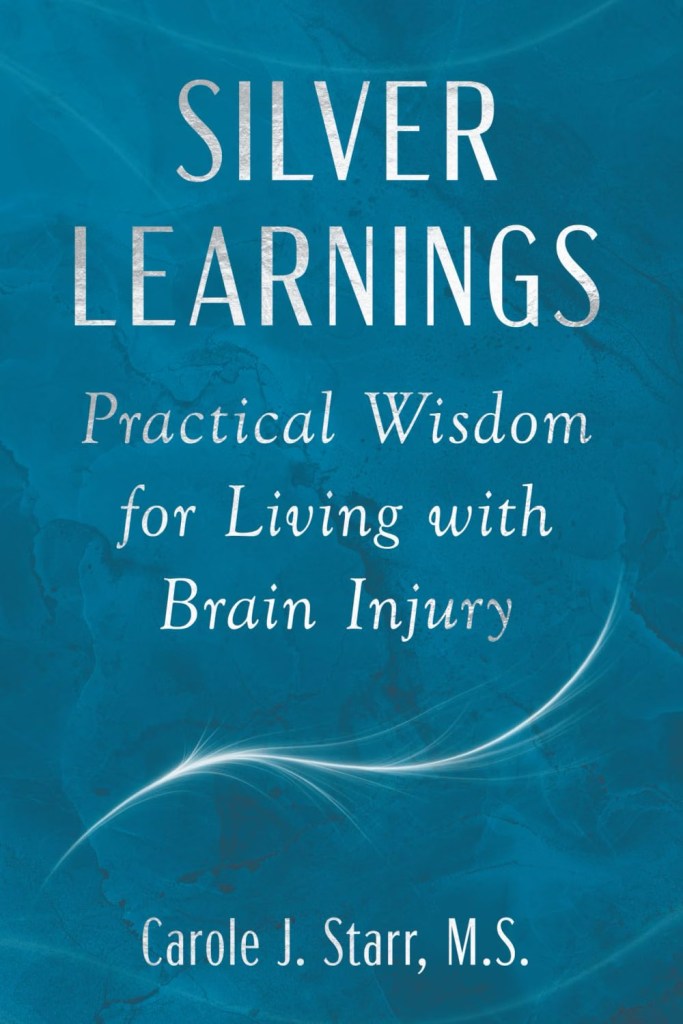
Book cover belongs to the publisher and is displayed for identification and review purposes.
Disclaimer: This book review is for educational and informational purposes only. It is not medical advice or a substitute for professional healthcare or rehabilitation. Every brain injury and recovery journey is different. Consult qualified healthcare professionals for individual medical guidance.


Do you Love Love YOUR Brain?