
A stroke can change life in an instant. Everyday activities that once felt simple – walking, speaking, remembering, or even getting dressed – may suddenly become more challenging.
The road to recovery isn’t always easy, but it is possible. With patience, support, and determination, many stroke survivors continue to make meaningful progress and rediscover joy in everyday life.
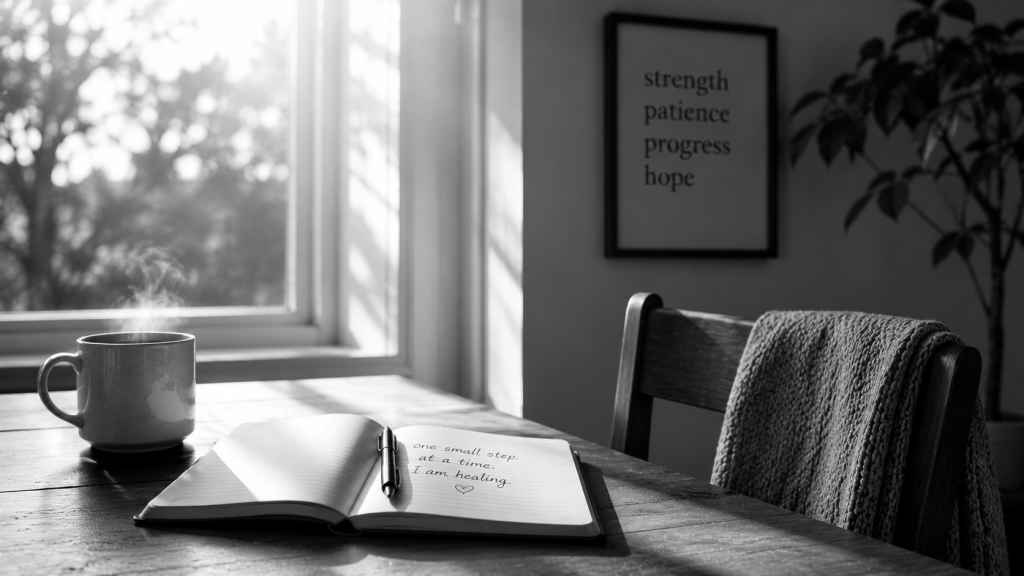
Remember, recovery is a journey, not a race.
💜 What Changes After a Stroke?
Every stroke is different, so every recovery journey is unique.
Some people experience only mild changes, while others may need more time and support.
Common challenges may include:
🧠 Difficulty with memory or concentration
🗣️ Trouble speaking or understanding words
🚶 Weakness or paralysis on one side of the body
⚖️ Balance and coordination problems
😴 Fatigue
❤️ Changes in mood, emotions, or personality
These changes can feel overwhelming at first, but they don’t define who you are.
🌱 Recovery Takes Time
Healing after a stroke doesn’t happen overnight.
Some improvements happen quickly, while others take weeks, months, or even years.
Every small achievement matters.
Celebrate each milestone, whether it’s taking a few extra steps, saying a new word, or completing a daily task on your own.
Progress is still progress, no matter how small.
🚶 Stay Active Safely
Movement plays an important role in recovery.
If your healthcare provider recommends it, gentle physical activity and rehabilitation exercises can help improve strength, balance, and mobility.
Start slowly and listen to your body.
Every step forward builds confidence.
🧩 Exercise Your Brain
Your brain continues to learn throughout life.
Keep your mind active by:
✔️ Reading a book
✔️ Solving simple puzzles
✔️ Practicing memory games
✔️ Learning a new hobby
✔️ Having conversations with family and friends
Small daily challenges can help support cognitive recovery.
❤️ Take Care of Your Emotional Health
Recovery isn’t only physical.
Many stroke survivors experience frustration, anxiety, sadness, or fear.
These feelings are completely understandable.
Talking with loved ones, joining a support group, or speaking with a healthcare professional can make a positive difference.
Remember, asking for help is a sign of strength.
🥗 Healthy Habits Matter
A healthy lifestyle can support recovery and help reduce the risk of another stroke.
Focus on:
🥬 Eating nutritious foods
💧 Drinking enough water
😴 Getting quality sleep
🚭 Avoiding smoking
🏃 Staying physically active as recommended
💊 Taking medications exactly as prescribed
Small healthy choices each day can have a lasting impact.
🤝 Accept Support
You don’t have to face recovery alone.
Family members, friends, caregivers, therapists, and healthcare professionals all play an important role in your healing journey.
Allow others to encourage and support you when you need it.
Recovery is stronger when shared.
✨ Final Thoughts
Life after a stroke may look different than before, but it can still be meaningful, fulfilling, and full of hope.
Be patient with yourself.
Celebrate every victory, no matter how small.
Healing takes time, and every step forward is a testament to your strength and resilience.
Your story isn’t over.
Every new day brings another opportunity to heal, grow, and move forward.


Do you Love Love YOUR Brain?