
Brain injury can change much more than a person’s physical or cognitive abilities.
It can change relationships too.
The way we communicate may change.
Our roles may change.
Our expectations may change.
And sometimes, relationships that once felt familiar need to be rebuilt.
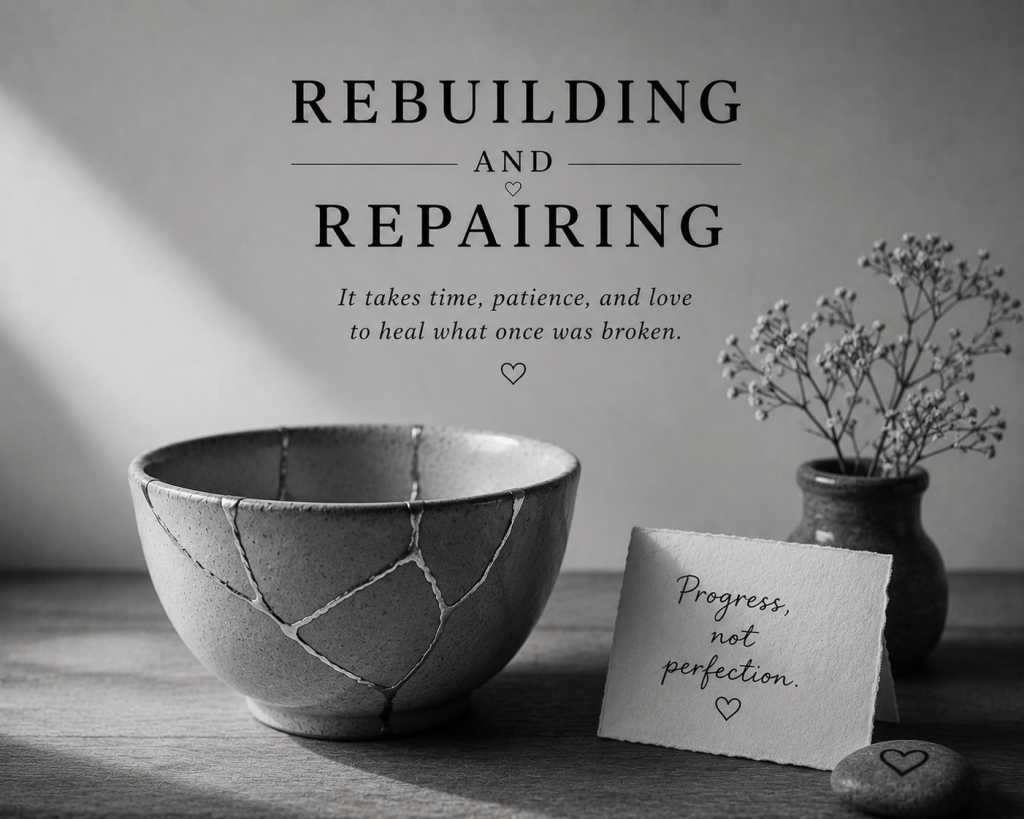
In this conversation, Adeline and Carole Starr talk about the importance of rebuilding and repairing relationships after brain injury.
💭 Relationships Can Change
After a brain injury, people may notice changes in:
🧠 Memory
💬 Communication
❤️ Emotions
🔋 Energy
🤝 Independence
These changes can affect everyone in the relationship.
Sometimes people don’t know how to respond to the changes.
Sometimes they continue expecting the survivor to be the person they were before.
But recovery may mean learning how to relate to the person as they are now.
❤️ Let Go of Old Expectations
One of the hardest parts of rebuilding a relationship can be accepting that things may not be exactly the same.
The goal isn’t necessarily to recreate the old relationship.
It may be about creating a new relationship that works for both people.
That can take patience.
💬 Communication Matters
When something feels different, talking about it can help.
Try saying:
“This is what I’m experiencing.”
“This is what I need.”
“Can we try a different approach?”
Clear communication can help reduce misunderstandings and create space for both people to be heard.
🌱 Repair Is Possible
Relationships don’t have to be perfect.
People will misunderstand each other.
People will become frustrated.
People will sometimes say things they don’t mean.
What matters is what happens afterward.
You can apologize.
You can listen.
You can try again.
Repair is part of a healthy relationship.
🧠 Understand the Brain Injury
Sometimes behavior that looks personal may actually be connected to the injury.
A survivor may become overwhelmed more quickly.
They may forget something.
They may struggle to find the right words.
They may become tired or frustrated.
Understanding these changes can create more compassion on both sides.
🤝 Relationships May Need New Rules
What worked before may not work now.
Maybe conversations need to be shorter.
Maybe there needs to be more time to process.
Maybe plans need to be simpler.
Maybe more breaks are necessary.
Adapting isn’t giving up on the relationship.
It’s finding a way for the relationship to work in the present.
💜 Give Each Other Grace
Both the survivor and the people supporting them are adjusting.
The survivor is learning how to live with changes.
Family members and friends are learning how to respond to those changes.
Everyone may make mistakes.
Everyone may need time.
Grace gives people room to learn.
🌻 Rebuilding Takes Time
A relationship usually isn’t repaired in one conversation.
It can happen through many small moments:
💬 Listening
❤️ Showing patience
🤝 Keeping promises
⏸️ Taking breaks
🌱 Trying again
😊 Sharing something enjoyable
Little moments of connection can slowly rebuild trust.
✨ Final Thoughts
Brain injury can change relationships, but change doesn’t always mean the relationship is lost.
Sometimes relationships need to be rebuilt.
Sometimes they need to be repaired.
Sometimes they need to become something new.
❤️ Listen to each other.
💬 Communicate honestly.
🌱 Let go of impossible expectations.
🤝 Give each other room to adapt.
A brain injury may change the relationship.
But with patience, understanding, and willingness to repair, connection can still grow.
📚 Learn More
Interested in learning more?
📖 To Root and To Rise: Accepting Brain Injury
📖 Silver Learnings: Practical Wisdom for Living with Brain Injury
These books offer practical wisdom, encouragement, and hope for brain injury survivors, caregivers, and anyone seeking to better understand the recovery journey.
🌻 About Love Love Brain
Love Love Brain is dedicated to supporting brain injury survivors, caregivers, and families through education, personal stories, expert interviews, and practical recovery tools. Our mission is to provide hope, build community, and remind every survivor that healing is a journey worth sharing.


Do you Love Love YOUR Brain?