
We often think that being strong means having everything together.
We don’t want people to see when we’re struggling.
We may hide our frustration.
We may hide our fear.
We may pretend we’re doing better than we really are.
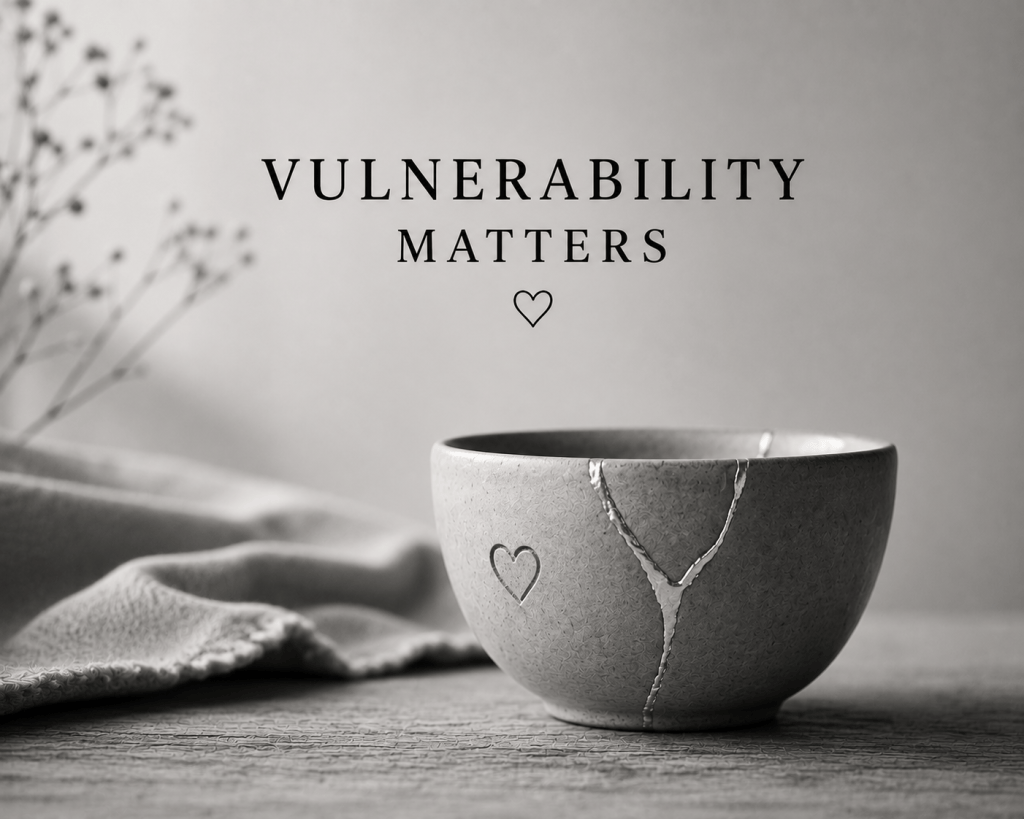
But vulnerability can be something different.
It can be the courage to be honest.
❤️ It’s Okay to Not Be Okay
Brain injury can bring difficult experiences that other people may not see.
You may be dealing with:
🧠 Brain fog
🔋 Fatigue
💭 Memory problems
😣 Emotional changes
🔊 Sensory overload
💬 Communication difficulties
It can be exhausting to explain these things.
Sometimes you may simply want to say:
“I’m struggling today.”
And that’s okay.
🌱 Vulnerability Can Create Connection
When we allow ourselves to be honest, we give other people an opportunity to understand us.
Instead of hiding what we’re experiencing, we can say:
“This is what I need.”
“I don’t have the energy today.”
“I need some help.”
“I’m having a difficult time.”
These statements aren’t signs of weakness.
They are honest communication.
🧠 You Don’t Have to Prove You’re Strong
After brain injury, there can be pressure to show everyone that you’re doing fine.
But recovery isn’t a performance.
You don’t have to prove that you’re strong by ignoring your needs.
You can be strong and still need help.
You can be independent and still need support.
You can be hopeful and still have difficult days.
Strength and vulnerability can exist together.
🤝 Let People See the Real You
The people who care about you may not always know what you’re experiencing unless you tell them.
Being vulnerable can help them understand.
It can help them know when to:
⏸️ Give you space
🤝 Offer support
💬 Listen
❤️ Be patient
🌱 Adjust expectations
Sometimes people aren’t ignoring what you need.
They simply don’t know what you need until you communicate it.
💭 Vulnerability Can Feel Uncomfortable
Being honest isn’t always easy.
You may worry about being judged.
You may worry about becoming a burden.
You may worry that people won’t understand.
Those fears are understandable.
You don’t have to share everything with everyone.
Vulnerability also means choosing safe people and safe spaces where honesty is respected.
🌻 Asking for Help Is Part of Recovery
There may be times when you need help with something you used to do independently.
That can be difficult emotionally.
But asking for help doesn’t erase your independence.
It simply recognizes what you need right now.
Your needs can change.
And that’s okay.
✨ Final Thoughts
You don’t have to hide every difficult moment.
You don’t have to pretend everything is fine.
You don’t have to carry everything alone.
💜 Be honest about what you need.
❤️ Let trusted people support you.
🌱 Give yourself permission to be human.
Vulnerability isn’t the opposite of strength.
Sometimes, vulnerability is what allows real connection to begin.
📚 Learn More
Interested in learning more?
📖 To Root and To Rise: Accepting Brain Injury
📖 Silver Learnings: Practical Wisdom for Living with Brain Injury
These books offer practical wisdom, encouragement, and hope for brain injury survivors, caregivers, and anyone seeking to better understand the recovery journey.
🌻 About Love Love Brain
Love Love Brain is dedicated to supporting brain injury survivors, caregivers, and families through education, personal stories, expert interviews, and practical recovery tools. Our mission is to provide hope, build community, and remind every survivor that healing is a journey worth sharing.


Do you Love Love YOUR Brain?