
What if the future of mental health treatment involves looking beyond symptom management and exploring the deeper roots of suffering?
Psychedelic Therapy: A Revolutionary Approach to Restoring Your Mental Health and Reclaiming Your Life by Will Van Derveer, MD, and Keith Kurlander, LPC, with a foreword by Gabor Maté, explores psychedelic-assisted therapy as an emerging approach to mental health and trauma treatment.
Published by Shambhala in 2026, the book draws on clinical experience, client stories, and current research to discuss psychedelic therapy for conditions including anxiety, depression, PTSD, and other mental health challenges.
This is a very different kind of book from the other titles in this collection, and it should be approached thoughtfully, especially because psychedelic treatments can involve significant medical and psychological risks.
🧠 Looking Beneath the Symptoms
The authors explore the possibility that mental health treatment can sometimes focus heavily on managing symptoms without fully addressing the experiences underneath them.
The book places particular emphasis on trauma and explores why psychedelic-assisted therapy may have potential as part of trauma treatment.
This raises an important question:
What is underneath the symptom?
For anyone interested in healing, that can be a powerful question.
💔 Trauma Can Stay With Us
Traumatic experiences can influence the way we see ourselves, other people, and the world.
They can affect emotions.
Relationships.
Behavior.
Stress responses.
Our sense of safety.
The book explores psychedelic therapy as one possible way of working with trauma within a therapeutic setting.
It does not present psychedelics as a universal solution.
Instead, the authors emphasize preparation, safety, therapeutic support, and integration.
🌱 Preparation Matters
One of the book’s important sections focuses on preparation before a psychedelic therapy experience.
This matters because psychedelic experiences can be psychologically intense.
Preparation can involve understanding the process, considering personal circumstances, establishing appropriate support, and working with qualified professionals.
The authors specifically include preparation, dosing, and integration as parts of the therapeutic process.
🤝 The Therapeutic Relationship Matters
Psychedelic therapy isn’t simply about taking a substance.
The book places the process within a therapeutic framework.
The relationship between the person and their therapist can be an important part of creating a safe environment for difficult emotions and experiences to emerge.
This is one reason professional guidance matters so much.
🧘 Integration After the Experience
Another important concept is integration.
A powerful experience doesn’t automatically create lasting change.
What happens afterward matters.
Integration can involve reflecting on what happened, making sense of the experience, connecting insights to everyday life, and determining what changes are appropriate and sustainable.
The book presents integration as a key part of the overall process.
⚠️ Safety Comes First
This topic deserves special care.
Psychedelic substances can have significant psychological and physical effects and may not be appropriate for everyone.
The authors specifically discuss safety and risk reduction, as well as navigating psychological and spiritual challenges that may arise.
This is not a book that should be interpreted as encouragement to self-medicate or experiment with psychedelic substances on your own.
Anyone considering psychedelic-assisted therapy should speak with qualified healthcare professionals and understand the legal, medical, and psychological considerations involved.
🧠 What Does This Mean for Brain Injury?
Psychedelic Therapy is not a TBI recovery manual.
The book focuses on mental health, trauma, and psychedelic-assisted therapy.
For someone with a brain injury, that distinction is important.
Brain injury survivors may have unique neurological and medical considerations.
A treatment that may be appropriate for one person may not be appropriate for another.
So this book is better approached as an introduction to an emerging area of mental health research rather than as a treatment recommendation for TBI.
🌻 An Emerging Field
Psychedelic-assisted therapy is still an evolving area of research and clinical practice.
The book presents it as a promising but complex approach rather than a magic answer.
That distinction matters.
Hope is valuable.
But hope works best alongside evidence, professional guidance, realistic expectations, and safety.
💗 Love Love Brain Thoughts
Psychedelic Therapy invites readers to think differently about healing.
Not simply:
“How do I get rid of this symptom?”
But sometimes:
“What is underneath this suffering?”
“What happened to me?”
“What do I need to heal?”
“How can I build a life with greater meaning and connection?”
For the brain injury community, these questions can be meaningful even when psychedelic therapy itself isn’t appropriate.
Healing can involve many different paths.
Medical treatment.
Rehabilitation.
Therapy.
Community.
Relationships.
Nutrition.
Rest.
Mindfulness.
Meaning.
And sometimes, simply having someone listen.
There is no single path that works for everyone.
Healing deserves curiosity, compassion, and care.
💬 We’d Love to Hear From You
Have you explored different approaches to emotional or psychological healing?
What has helped you process difficult experiences?
What does healing mean to you beyond simply reducing symptoms?
Share your experience in the comments.
Your story may help someone else feel less alone.
📖 Where to Find the Book
Psychedelic Therapy was published by Shambhala Publications in 2026 and is available through major book retailers.
🛒 Get the Book on Amazon
Love Love Brain may earn a small commission from qualifying purchases made through this link. This does not affect the price you pay.
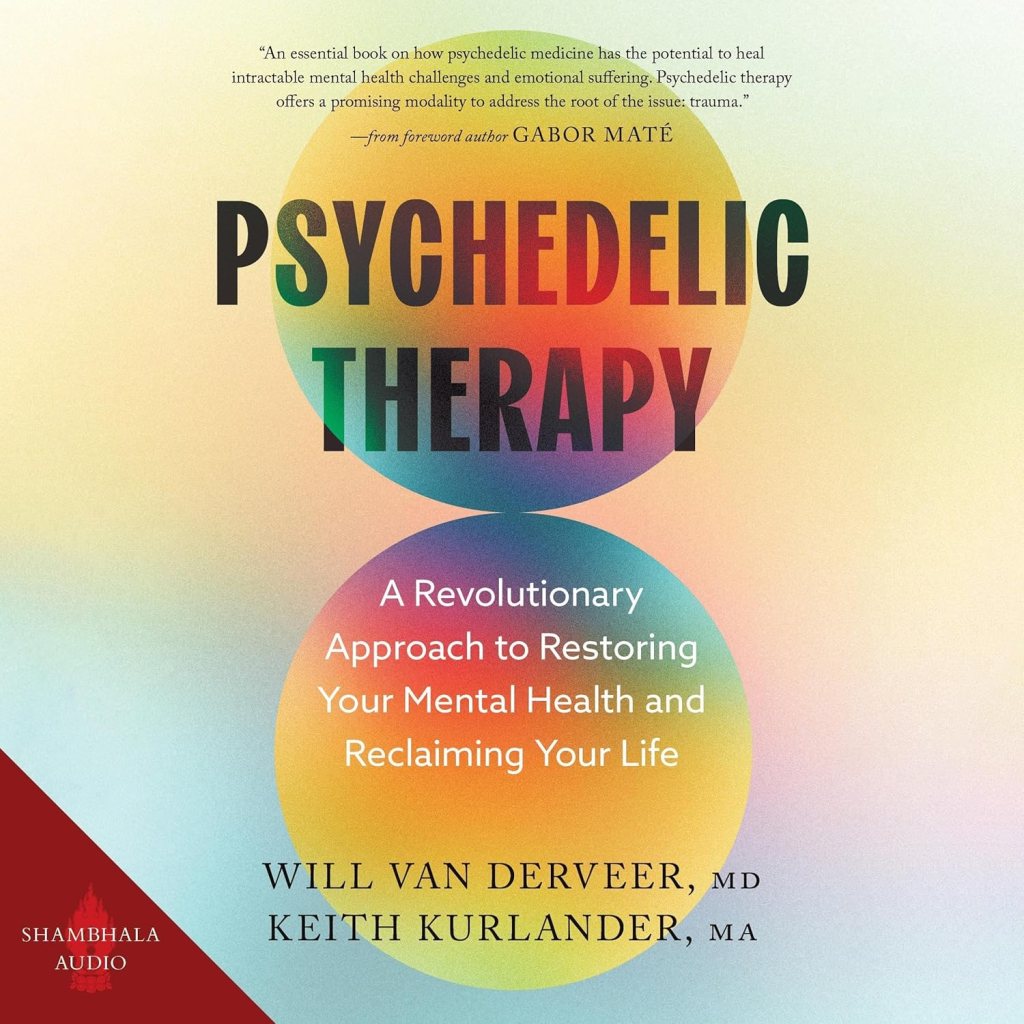
Book cover belongs to the publisher and is displayed for identification and review purposes.
Note: This review is for educational purposes only. Psychedelic therapy involves significant medical and psychological considerations. Do not use psychedelic substances or change any treatment plan without guidance from an appropriately qualified healthcare professional.


Do you Love Love YOUR Brain?