
Brain injury can make ordinary tasks feel extraordinarily difficult.
Remembering appointments.
Finding your keys.
Managing medications.
Keeping track of time.
Finding the right word.
Organizing your day.
Communicating what you need.
Brain Injury Survival Kit by Cheryle Sullivan, MD was created specifically to provide practical strategies for people living with brain injury and the families and loved ones supporting them.
Sullivan brings a particularly meaningful perspective because she is a family physician who experienced a traumatic brain injury herself. The book contains 365 tips, tools, and strategies addressing areas such as memory, attention, energy, communication, organization, transportation, safety, and navigating the medical system.
🧠 When Everyday Things Become Difficult
One of the frustrating parts of brain injury can be realizing that tasks you once did automatically now require conscious effort.
You may forget why you walked into a room.
You may lose track of appointments.
You may struggle to find a familiar word.
You may become overwhelmed by too many instructions.
This can be exhausting.
📝 Strategies Can Make Life Easier
The book focuses on practical solutions.
Checklists.
Routines.
Medication alarms.
Organization strategies.
Memory compensation tools.
Communication techniques.
These aren’t signs that someone is failing.
They are tools.
⏰ Creating Structure
Structure can reduce the amount of information the brain has to hold at once.
A simple routine might include:
☀️ Morning checklist
💊 Medication reminder
📅 Appointment calendar
📝 Written notes
⏰ Timers
🌙 Evening routine
The goal isn’t perfection.
The goal is making life easier.
💬 Communication Matters
Brain injury can affect communication in many ways.
You may know what you want to say but struggle to find the words.
You may become overwhelmed during long conversations.
You may need people to repeat information.
Using written notes, reminders, or communication strategies can help.
❤️ You Don’t Have to Remember Everything
One of the most important lessons is that you don’t have to rely entirely on your memory.
Use tools.
Write things down.
Set reminders.
Create routines.
Ask for help.
There is no prize for making recovery harder than it needs to be.
💗 Love Love Brain Thoughts
Sometimes the smartest thing we can do is stop expecting our brain to remember everything.
Let your tools remember for you.
Let your calendar remember.
Let your phone remind you.
Let your checklist guide you.
Let other people help.
You are not cheating.
You are adapting.
📖 Where to Find the Book
If you’d like to learn more about Brain Injury Survival Kit by Cheryle Sullivan, MD, you can find it through major book retailers. Springer describes it as a collection of practical strategies for cognitive-function challenges after brain injury.
🛒 Get the Book on Amazon
Love Love Brain may earn a small commission from qualifying purchases made through this link. This does not affect the price you pay.
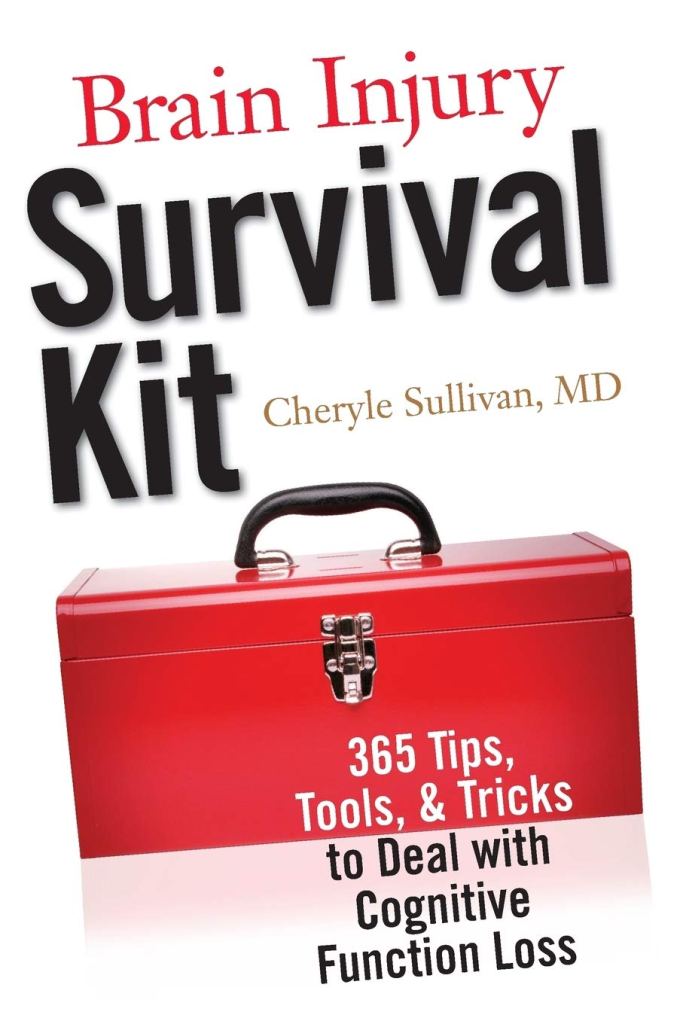
Book cover belongs to the publisher and is displayed for identification and review purposes.
Note: This book review is for educational and reflective purposes only and is not medical advice.


Do you Love Love YOUR Brain?