
Brain injury recovery is rarely simple.
It can involve medicine.
Neuropsychology.
Physical rehabilitation.
Occupational therapy.
Speech therapy.
Family support.
Community reintegration.
Return-to-work planning.
And sometimes many different professionals working together.
Brain Injury Treatment: Theories and Practices by Jose Leon-Carrion, George A. Zitnay, and Klaus R. H. von Wild is a comprehensive professional reference covering brain injury rehabilitation from an international perspective. The book discusses basic science, neurosurgical and neuropsychological treatments, rehabilitation approaches, community reentry, and family dynamics.
🧠 Brain Injury Recovery Is Complex
There is no single brain injury experience.
One survivor may struggle primarily with memory.
Another with movement.
Another with communication.
Another with emotional regulation.
Another may appear physically well while experiencing significant cognitive difficulties.
This complexity is one reason rehabilitation often needs to be individualized.
🩺 Different Professionals Have Different Roles
Brain injury treatment can involve many disciplines.
Doctors.
Neuropsychologists.
Physical therapists.
Occupational therapists.
Speech-language professionals.
Social workers.
Caregivers.
Each person may see a different part of the recovery picture.
🤝 The Family Is Part of Recovery
The book also addresses family dynamics following brain injury.
This is important because an injury doesn’t affect only one person.
Families may suddenly have new responsibilities.
Relationships may change.
Caregivers may experience exhaustion.
Everyone may need education and support.
🏠 Recovery Doesn’t End at the Hospital
Returning home can be its own challenge.
How do you manage everyday activities?
How do you return to the community?
How do you navigate work?
How do you rebuild independence?
These questions are part of rehabilitation too.
💼 Returning to Work
Work can be an important part of identity.
But returning to work after brain injury may require accommodations, gradual transitions, and realistic expectations.
The book includes discussion of return-to-work issues following brain injury.
🌱 A Whole-Person Approach
Recovery isn’t only about repairing an injury.
It’s about helping a person live.
That means looking at:
🧠 Cognition
🗣️ Communication
🚶 Physical function
❤️ Emotional health
🏠 Home life
🤝 Relationships
💼 Work
🌎 Community participation
💗 Love Love Brain Thoughts
Brain injury recovery should never be reduced to one symptom.
You are a whole person.
Your treatment should consider the whole person too.
And when recovery feels complicated, remember:
You don’t have to understand everything at once.
Let your care team help you take it one step at a time.
📖 Where to Find the Book
Brain Injury Treatment: Theories and Practices is a professional reference published by Taylor & Francis/Routledge. The book covers rehabilitation, assessment, treatment, aftercare, family dynamics, and community reentry.
🛒 Get the Book on Amazon
Love Love Brain may earn a small commission from qualifying purchases made through this link. This does not affect the price you pay.
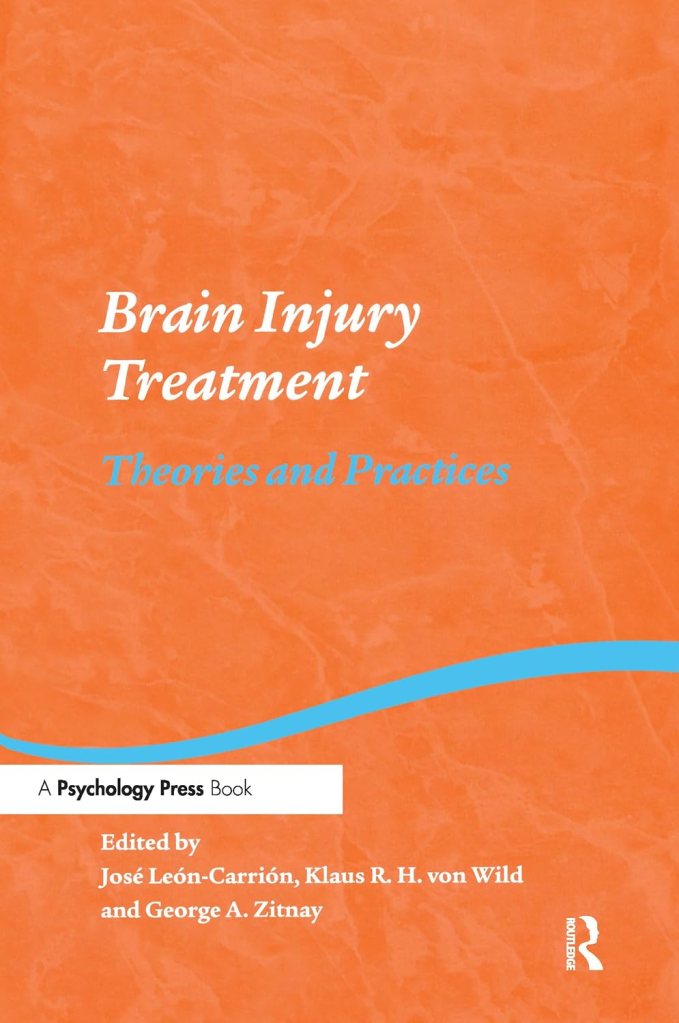
Book cover belongs to the publisher and is displayed for identification and review purposes.
Note: This book review is for educational and reflective purposes only and is not medical advice.


Do you Love Love YOUR Brain?