
What if something as simple as spending time barefoot on the Earth could become part of our wellness routine?
Earthing: The Most Important Health Discovery Ever? by Clinton Ober, Stephen T. Sinatra, M.D., and Martin Zucker explores the concept of grounding, sometimes called earthing – the practice of making direct physical contact with the Earth’s surface.
The authors present their theory that reconnecting with the Earth’s natural electrical charge may have implications for inflammation, sleep, stress, pain, and overall well-being. The book combines the authors’ ideas, research, observations, and personal stories surrounding grounding.
For people living with brain injury, the idea of slowing down and reconnecting with nature can feel especially meaningful.
Recovery can become filled with appointments, symptoms, therapies, medications, schedules, and responsibilities.
Sometimes we also need simple moments of connection with the world around us.
🌎 Reconnecting With the Earth
Modern life can keep us indoors.
We spend hours sitting at desks.
Looking at screens.
Driving.
Working.
Living inside buildings.
The authors encourage readers to think about something humans have done throughout history:
Connecting directly with the Earth.
Walking barefoot on grass.
Standing on soil.
Sitting on the ground.
Spending quiet time outdoors.
These activities can also become opportunities to slow down and become more present.
🧠 Creating Moments of Calm
Brain injury recovery can be overwhelming.
There can be appointments.
Symptoms.
Fatigue.
Pain.
Sensory overload.
Anxiety.
Uncertainty.
A simple outdoor routine may offer a moment to pause.
Even when we don’t know exactly what effect a particular practice will have on our health, spending time in nature can give us an opportunity to breathe, slow down, and step away from constant stimulation.
🌿 The Practice of Grounding
The book explains grounding as physical contact between the body and the Earth’s surface.
The authors discuss possible connections between grounding and inflammation, sleep, pain, and stress.
However, the scientific evidence for grounding remains limited, and it should not be considered a replacement for medical treatment.
For someone recovering from a brain injury, that distinction matters.
Complementary wellness practices can exist alongside appropriate medical care.
🦶 A Simple Practice
One appealing aspect of earthing is how simple the practice can be.
If it is safe for you, you might:
🌱 Sit outside.
🦶 Walk barefoot on grass.
🏖️ Spend time near the beach.
🌳 Sit beneath a tree.
☀️ Take a few quiet minutes outdoors.
The goal doesn’t have to be complicated.
Sometimes the simplest practices are the easiest to incorporate into daily life.
💗 Love Love Brain Thoughts
Recovery doesn’t always have to involve doing more.
Sometimes it involves slowing down.
Getting outside.
Breathing.
Feeling the ground beneath your feet.
Letting yourself be present for a few quiet minutes.
Whether or not grounding becomes part of your wellness routine, the bigger reminder is valuable:
We are part of nature too.
💬 We’d Love to Hear From You
Do you find that spending time outdoors helps you feel calmer?
Do you enjoy walking barefoot, sitting in nature, or simply being outside?
Share your experience in the comments.
📖 Where to Find the Book
If you’d like to learn more about Earthing by Clinton Ober, Stephen T. Sinatra, M.D., and Martin Zucker, you can look for the book through major book retailers.
🛒 Get the Book on Amazon
Love Love Brain may earn a small commission from qualifying purchases made through this link. This does not affect the price you pay.
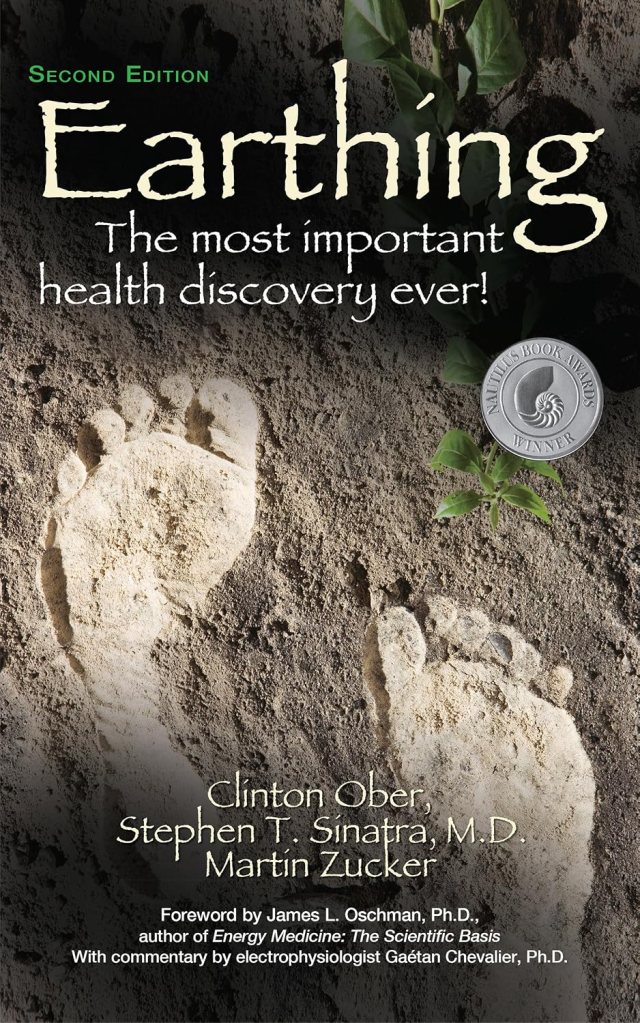
Book cover belongs to the publisher and is displayed for identification and review purposes.
Note: This book review is for educational and reflective purposes only and is not medical advice.


Do you Love Love YOUR Brain?