
There are experiences in life that can make us afraid to speak.
For Adeline, being told to “shut up” was not simply about being quiet.
It was connected to fear.
Fear of being hit. Fear of being beaten. Fear of being sent away.
Over time, those experiences can affect how a person feels about using their voice.
🗣️ When You Learn to Stay Quiet
Adeline remembers feeling like she did not have a voice.
She describes being told to stop talking and not being given the opportunity to explain herself.
Even when she wanted to say why she had done something, she felt that no one wanted to hear her.
That can leave a lasting impression.
When someone repeatedly learns that speaking up may lead to punishment, rejection, or fear, staying quiet can begin to feel safer.
💗 I Lost My Voice
Adeline says:
“I lost my voice, and I still don’t believe I have.”
Those words show how deeply our early experiences can stay with us.
Having a voice is not only about physically speaking.
It can also mean feeling safe enough to express your thoughts, explain yourself, ask questions, set boundaries, and say what you need.
Finding that voice can take time.
🧠 Our Past Can Stay With Us
Sometimes we carry old experiences into our present lives without realizing how strongly they affect us.
A person may hesitate before speaking.
They may worry about upsetting someone.
They may feel that their explanation does not matter.
They may stay silent even when they have something important to say.
Looking back at these experiences can help us understand where some of these reactions came from.
Understanding does not erase what happened, but it can help us begin to see ourselves with more compassion.
🗣️ You Deserve to Be Heard
Everyone deserves the opportunity to express themselves.
You deserve to say what you experienced.
You deserve to explain how you feel.
You deserve to ask for help.
You deserve to say no.
And you deserve to be listened to with respect.
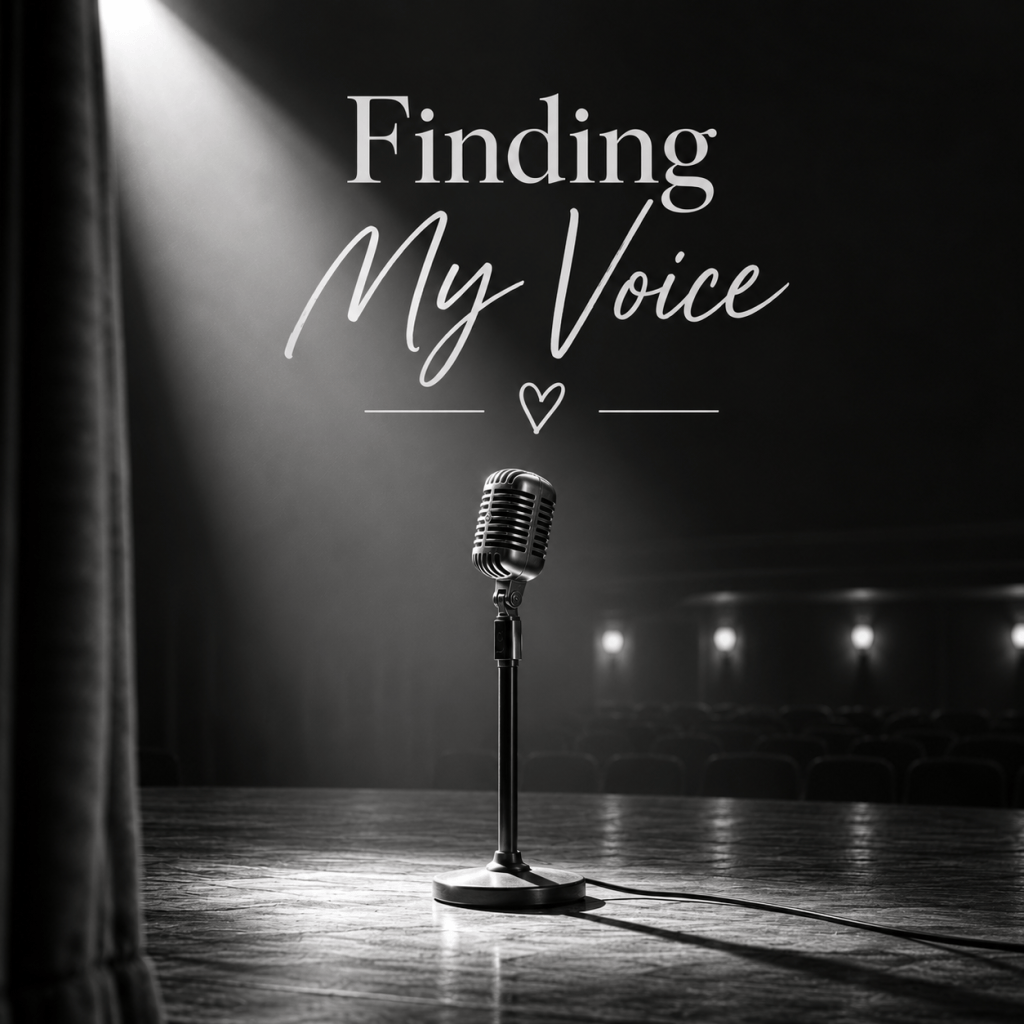
Finding your voice does not mean you have to speak loudly.
Sometimes finding your voice simply means allowing yourself to speak at all.
😮 When the Body Reacts
Adeline also shares a frightening experience from three weeks earlier when her throat closed up.
She says she could not breathe properly, could not swallow her saliva, and felt as though she was choking. She called 911 because she thought she was going to die.
This experience was frightening for her.
It also became part of the conversation about her voice, her body, and the experiences she has carried.
When something feels physically frightening or life-threatening, seeking emergency medical help is important.
🌱 Your Voice Can Come Back
Finding your voice can be a process.
It may begin with one honest sentence.
It may be telling someone, “That hurt me.”
It may be saying, “I need help.”
It may be asking, “Can I explain?”
Or it may simply be recognizing within yourself:
My voice matters.
You do not have to explain everything perfectly.
You do not have to make everyone understand.
You can begin slowly.
✨ You Are Allowed to Speak
Your past may have taught you to be quiet.
But your past does not have to determine everything about your future.
There can be space for your thoughts.
There can be space for your story.
There can be space for your feelings.
And there can be space for your voice.
Finding your voice is not about becoming someone different.
Sometimes, it is about finally giving yourself permission to be heard.
💗 Love Love Brain Note
Every person’s story is different. Adeline’s experiences are personal and are shared for reflection and connection. If past experiences are affecting your emotional well-being, consider reaching out to a qualified mental health professional or another trusted source of support.
If you experience sudden difficulty breathing, swallowing, or other severe symptoms, seek emergency medical care.


Do you Love Love YOUR Brain?