
When we think about recovery after a brain injury, we often focus on therapy, exercise, and rehabilitation.
But there’s another part of healing that’s just as important – giving the brain time to rest.
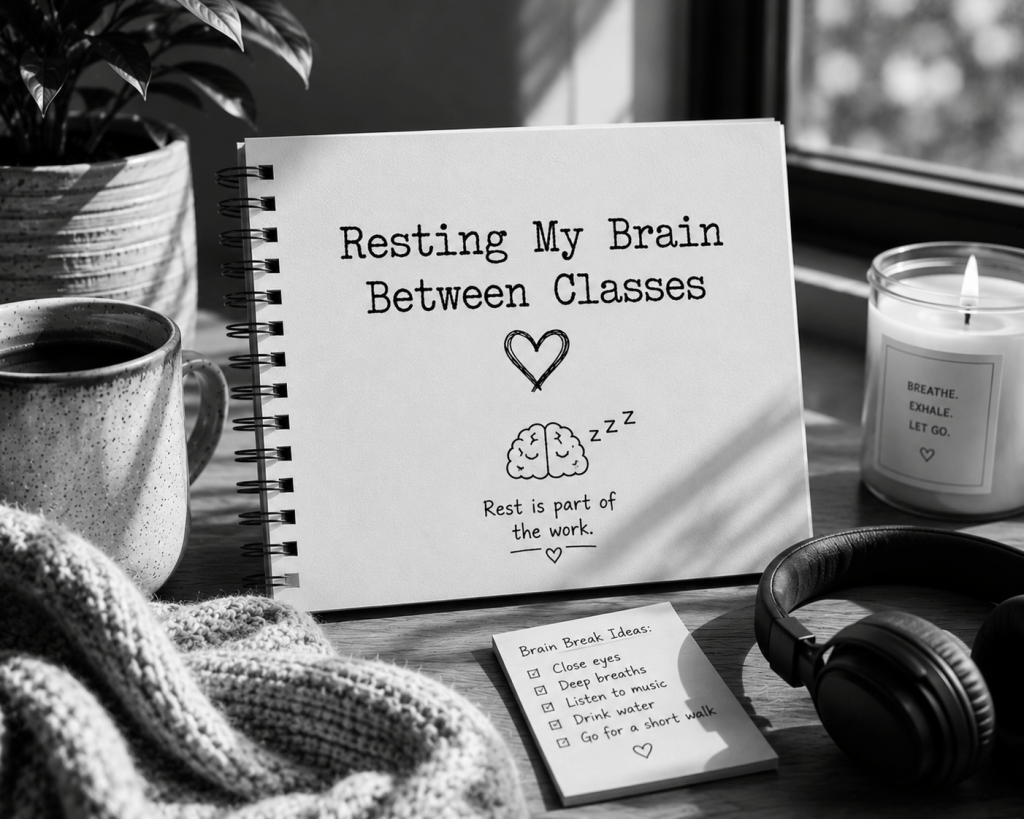
Dr. Eric Sternlicht shares the simple practice he uses to rest his brain between teaching classes. His approach may be surprising, but it highlights an important truth: our brains need regular opportunities to recover, especially after injury.
🧠 Why Brain Rest Matters
After a traumatic brain injury (TBI), the brain often works harder to process information, solve problems, and stay focused. Even activities that once felt effortless can become mentally exhausting.
Taking intentional breaks can help:
🌿 Reduce mental fatigue
💭 Improve focus and concentration
❤️ Lower stress and feelings of overwhelm
⚡ Restore mental energy for the next task
🧩 Support overall cognitive recovery
For many survivors, learning when to rest is just as important as learning how to keep moving forward.
🌱 Listening to Your Brain
One of the lessons Dr. Eric shares is the importance of recognizing when your brain needs a pause.
Rather than pushing through exhaustion, he has learned to create moments of quiet between classes. Giving himself permission to step back helps him return with renewed focus and energy.
Everyone’s recovery journey is different. What works for one person may not work for another, but paying attention to your body’s signals and following guidance from your healthcare team can be an important part of long-term recovery.
💛 Rest Is Part of Recovery
Many people think that progress only happens when we’re constantly doing something.
But healing also happens during moments of rest.
Whether it’s sitting quietly, practicing mindfulness, taking slow breaths, enjoying nature, or simply closing your eyes for a few minutes, intentional breaks can help support both physical and cognitive well-being.
Rest isn’t time lost – it’s an investment in your recovery.
🎥 Watch the video
Join Dr. Eric Sternlicht as he shares the surprising way he rests his brain between classes and why giving yourself permission to pause can be one of the healthiest choices you make.
💬 We’d Love to Hear From You
How do you recharge when you’re feeling mentally exhausted?
Do you take quiet breaks, go for a walk, pray, meditate, or have another routine that helps you reset?
Share your thoughts in the comments. Your experience may inspire someone else to discover a healthy way to care for their brain.


Do you Love Love YOUR Brain?