
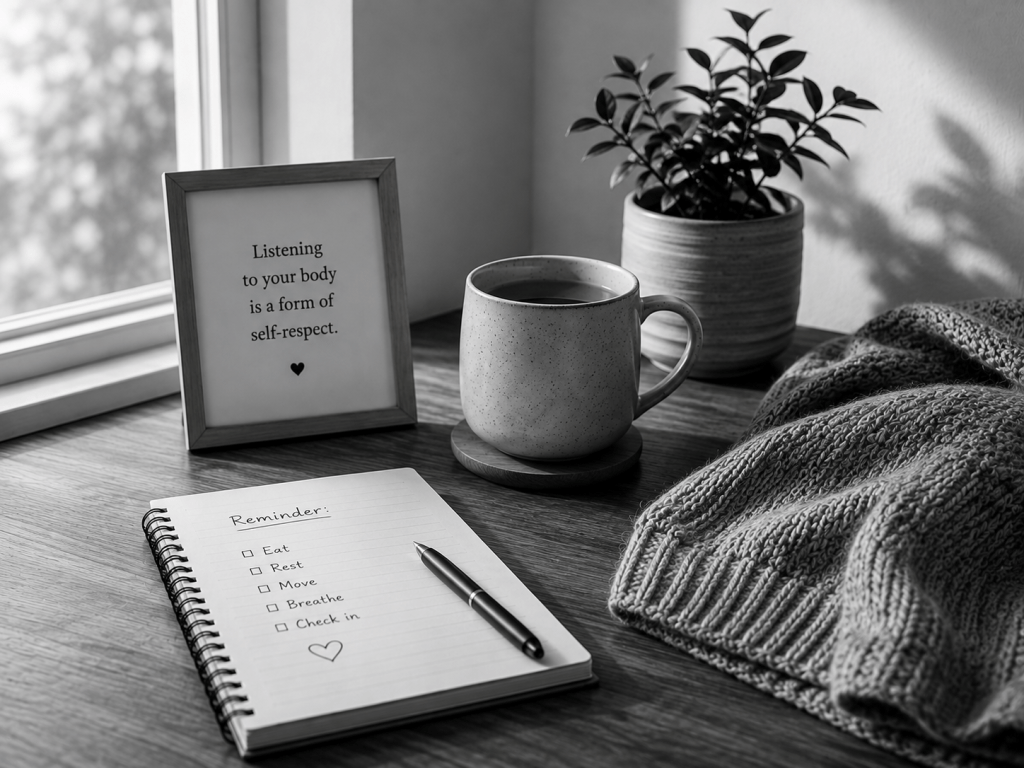
Our bodies are always communicating with us.
A headache, tense muscles, dizziness, fatigue, or a racing heart may all be physical sensations that tell us something needs attention.
After a brain injury, concussion, or stroke, these sensations may become more noticeable. Learning to recognize them can help you better understand your needs and support your recovery.
The more you listen to your body, the better you can care for it.
💭 What Are Physical Sensations?
Physical sensations are the feelings you notice in your body throughout the day.
Some sensations are pleasant, while others may signal that your body needs rest, hydration, movement, or medical attention.
Paying attention to these signals can help you respond before symptoms become more severe.
🧠 Common Physical Sensations
Everyone’s experience is different, but some common sensations include:
🤕 Headaches
😵 Dizziness
😴 Fatigue or low energy
💪 Muscle tension
🤲 Tingling or numbness
💓 A fast or pounding heartbeat
😮💨 Shortness of breath
🌡️ Feeling unusually hot or cold
😖 Nausea
⚖️ Difficulty with balance
Noticing these sensations doesn’t always mean something is wrong, but they are worth paying attention to.
🌱 Why Your Body Sends Signals
Your body uses physical sensations to let you know when something needs your attention.
For example:
💧 Thirst may mean you need water.
😴 Fatigue may mean you need rest.
💪 Muscle tension may be a sign of stress.
🤕 A headache could mean you’ve done too much or need a break.
Listening to these signals early may help prevent symptoms from becoming more intense.
❤️ How to Respond
When you notice a physical sensation, pause and ask yourself:
💭 What am I feeling?
💭 When did it begin?
💭 What was I doing before it started?
💭 Do I need to rest, eat, drink water, or slow down?
Small changes can often make a big difference.
🌼 Keep Track of Patterns
Writing down your symptoms can help you recognize patterns over time.
You might notice that certain sensations happen:
📱 After too much screen time
🔊 In noisy environments
😴 When you’re tired
🍽️ When you’ve skipped a meal
😣 During stressful situations
Knowing your patterns can help you prepare and make healthier choices.
🤝 Know When to Ask for Help
Some physical sensations improve with rest and self-care.
However, if you experience new, severe, or worsening symptoms, contact your healthcare provider.
Don’t ignore symptoms that concern you.
Seeking help is an important part of taking care of yourself.
✨ Final Thoughts
Your body is always communicating with you.
The more you learn to recognize physical sensations, the easier it becomes to respond with care, patience, and compassion.
Take a moment to pause.
Listen to what your body is telling you.
Every signal is an opportunity to better understand yourself and support your healing journey.


Do you Love Love YOUR Brain?