
A traumatic brain injury can change almost everything.
How you think.
How you feel.
How you move through your day.
How you relate to other people.
How much energy you have.
And sometimes, the hardest part is simply figuring out:
“What do I do now?”
Heal Your TBI: The 7-Step Approach for Recovering from a Traumatic Brain Injury by Gail Waitkun is specifically written around the experience of recovering from traumatic brain injury. The book is part of the Heal Your TBI series and is listed as a 150-page independently published book.
🧠 Recovery Can Feel Overwhelming
After a brain injury, there can be so much information.
Doctors.
Appointments.
Therapy.
Symptoms.
Medications.
Questions.
Decisions.
And sometimes you don’t even know which question to ask first.
A structured approach can make a complicated journey feel a little more manageable.
💔 Your Injury Is Real
One of the hardest things about brain injury can be having symptoms that other people don’t see.
You may look fine.
You may sound fine.
But inside, your brain may be working incredibly hard.
Fatigue.
Memory problems.
Difficulty concentrating.
Headaches.
Emotional changes.
Sleep difficulties.
These experiences deserve to be taken seriously.
🌱 Recovery Is a Process
There is no single moment when you suddenly become “recovered.”
Recovery can involve many small steps.
Learning.
Adapting.
Resting.
Practicing.
Trying again.
Changing strategies.
Finding support.
And sometimes starting over.
🧩 A Step-by-Step Mindset
The idea of approaching recovery through steps can be reassuring.
You don’t have to solve your entire future today.
Focus on the next step.
Then the next.
Then the next.
One appointment.
One strategy.
One conversation.
One day.
🤝 You Don’t Have to Recover Alone
Brain injury recovery often involves many people.
Doctors.
Therapists.
Caregivers.
Family.
Friends.
Support groups.
Advocates.
Learning to accept help can be difficult.
But support isn’t a sign that you have failed.
Sometimes it is one of the tools that makes recovery possible.
❤️ Listen to Your Body
Recovery isn’t a competition.
If your brain needs rest, rest matters.
If something makes your symptoms worse, pay attention.
If you need clarification from a provider, ask.
If something doesn’t feel right, communicate it.
Learning your own patterns can help you become a stronger advocate for yourself.
🛡️ Become Your Own Advocate
You know your daily experience in a way that no one else can completely know.
Keep notes.
Write down questions.
Bring someone to appointments when helpful.
Ask for explanations.
Speak up when something doesn’t make sense.
Your voice matters in your recovery.
🌻 Healing Doesn’t Always Mean Returning to Before
Sometimes we imagine recovery as becoming exactly who we were before the injury.
But recovery may also involve becoming someone new.
Someone who knows their limits.
Someone who asks for help.
Someone who values rest.
Someone who understands their brain.
Someone who recognizes small victories.
💗 Love Love Brain Thoughts
Heal Your TBI speaks directly to the long journey of recovering after traumatic brain injury.
For anyone who feels overwhelmed by the process, remember:
You don’t have to figure everything out today.
You can take one step.
Then another.
And if you need to stop and rest, that is okay too.
Recovery isn’t about proving how much you can endure.
It’s about finding the safest and most sustainable way forward.
Your recovery is your journey.
Your pace matters.
Your voice matters.
And you don’t have to walk it alone.
💬 We’d Love to Hear From You
What has been the most challenging part of your TBI recovery?
What strategy has helped you most?
Who has been part of your support system?
Share your experience in the comments.
Your story may help another survivor feel less alone.
📖 Where to Find the Book
Heal Your TBI: The 7-Step Approach for Recovering from a Traumatic Brain Injury by Gail Waitkun is listed as the first book in the Heal Your TBI series. Available bibliographic listings identify the book as a 150-page independently published paperback.
🛒 Get the Book on Amazon
Love Love Brain may earn a small commission from qualifying purchases made through this link. This does not affect the price you pay.
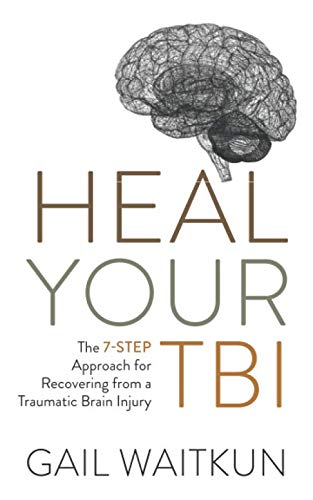
Book cover belongs to the publisher and is displayed for identification and review purposes.
Note: This book review is for educational and reflective purposes only and is not medical advice.


Do you Love Love YOUR Brain?