
Starting something can feel exciting.
Finishing it can be much harder.
We make plans.
We create lists.
We set goals.
Then life happens.
We become tired.
We get distracted.
We lose motivation.
And suddenly another unfinished task joins the pile.
Finish What You Start by Peter Hollins explores follow-through, motivation, self-discipline, focus, procrastination, and practical strategies for completing tasks. The book describes finishing and following through as skills that can be developed rather than simply traits that some people naturally possess.
🎯 Starting Is Only the Beginning
Sometimes we have plenty of ideas.
We want to write the book.
Start the project.
Clean the room.
Exercise.
Make the appointment.
Organize the paperwork.
But knowing what we want to do isn’t always enough.
The challenge is following through.
🧠 Brain Injury Can Change How We Complete Tasks
After brain injury, completing tasks may require more effort.
You may become mentally fatigued.
You may lose your place.
You may become distracted.
You may need more breaks.
You may struggle with executive functioning.
That means “just finish it” isn’t always realistic.
Sometimes we need a different approach.
🧩 Break It Into Smaller Pieces
A huge task can feel impossible.
Instead of:
“I need to organize everything.”
Try:
“I’ll organize this one drawer.”
Instead of:
“I need to finish the whole project.”
Try:
“I’ll work on it for ten minutes.”
Small steps reduce overwhelm.
⏰ Consistency Can Matter More Than Intensity
You don’t have to complete everything in one day.
A few minutes today can become meaningful progress over time.
This is especially important when brain fatigue limits how much you can do.
Resting doesn’t erase the progress you’ve already made.
🛑 Know When to Stop
Finishing what you start doesn’t mean pushing yourself beyond your limits.
After brain injury, knowing when to stop can be just as important as knowing how to continue.
Sometimes the healthiest decision is:
“I’m done for today.”
That isn’t quitting.
That’s pacing.
🌱 Follow-Through Is a Skill
Hollins approaches follow-through as something that can be developed through focus, self-discipline, persistence, and strategies for managing distractions and procrastination.
That can be encouraging.
If follow-through is difficult for you, it doesn’t mean you are incapable.
It means there may be skills and systems you can develop.
💗 Love Love Brain Thoughts
For brain injury survivors, “finish what you start” may need a slightly different definition.
Maybe finishing means completing the entire task.
Maybe it means completing one part.
Maybe it means returning to it tomorrow.
Maybe it means asking someone for help.
And sometimes finishing means recognizing that a goal no longer fits your life and giving yourself permission to change it.
Progress doesn’t have to be perfect to be real.
💬 We’d Love to Hear From You
What is something you’ve been trying to finish?
Does breaking large tasks into smaller steps help you?
What helps you stay focused when your brain becomes tired?
📖 Where to Find the Book
Finish What You Start has been published in multiple editions. Google Books lists editions ranging from approximately 206 to 208 pages, with descriptions focused on motivation, procrastination, focus, self-discipline, and follow-through.
🛒 Get the Book on Amazon
Love Love Brain may earn a small commission from qualifying purchases made through this link. This does not affect the price you pay.
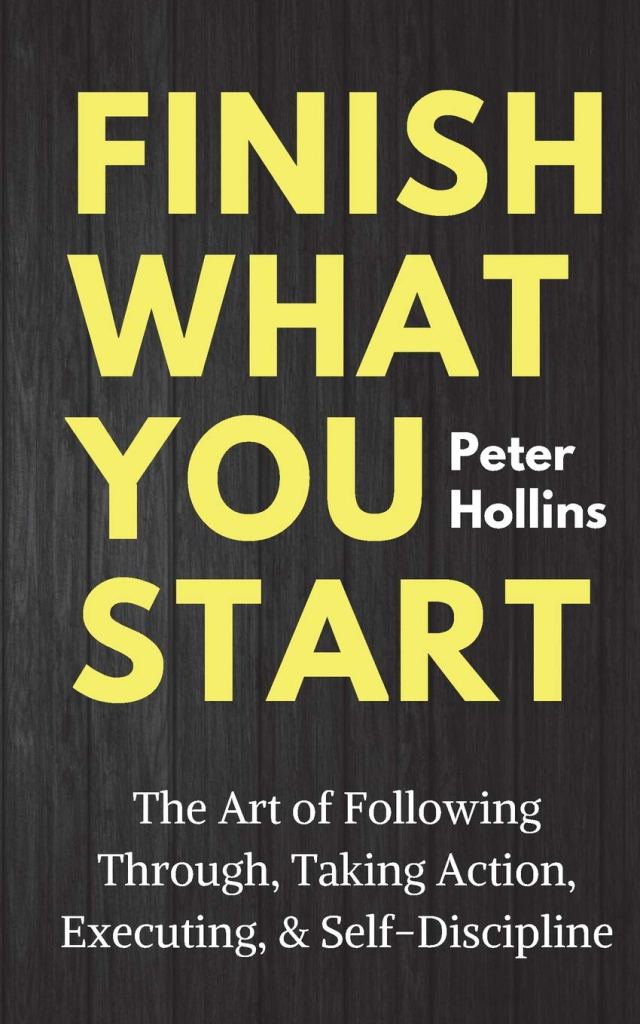
Book cover belongs to the publisher and is displayed for identification and review purposes.
Note: This book review is for educational and reflective purposes only and is not medical advice.


Do you Love Love YOUR Brain?