
Identity Theft: Rediscovering Ourselves After Stroke was written by Dr. Debra Meyerson with Steve Zuckerman.
After a severe stroke left Debra with physical limitations and difficulty speaking, she began rebuilding more than her abilities. She had to rebuild her entire sense of identity. The book also includes experiences from other survivors, families, therapists, doctors and caregivers. (strokeonward.org)
Although the book focuses on stroke, its lessons may feel deeply familiar to people living with traumatic brain injury.
💔 Brain Injury Can Steal Our Identity
Brain injury can change our:
🧠 Thinking and communication
💼 Careers and independence
❤️ Relationships
🎾 Hobbies and abilities
🌎 Place in the world
We may look in the mirror and wonder:
Who am I now?
The book explains that emotional and identity recovery can be just as important as physical rehabilitation. (Audiobrary)
🌱 Main Lessons
1. You Are More Than Your Abilities
Losing the ability to work, speak clearly, drive or participate in favorite activities can feel like losing yourself.
But your identity is not based only on what you can produce or accomplish.
You still have values, love, wisdom and purpose.
2. Grieving Your Former Life Is Normal
Recovery often includes grief.
We may miss the person we were before the injury. We may also grieve lost careers, relationships, confidence and independence.
Healing does not require pretending these losses are unimportant.
3. We Can Build a New Identity
The goal may not be to become exactly who we were before.
Recovery can mean combining our former selves with the person we are becoming.
We are not starting from nothing. We are rebuilding from experience.
4. Recovery Is About More Than Rehabilitation
Therapies may help us walk, speak, remember or complete daily activities.
But survivors also need support answering deeper questions:
💭 What still matters to me?
💗 What gives my life meaning?
🌟 What can I contribute now?
🌱 Who am I becoming?
5. Relationships Change Too
Brain injury affects the whole family.
Loved ones may also struggle to understand new roles, limitations and emotions. Honest communication and patience are important for everyone involved.
6. Progress Does Not Have a Deadline
Recovery may continue for years.
Small improvements still matter. A new word, a completed task, a peaceful afternoon or a moment of independence can all be meaningful victories.
7. A Meaningful Life Is Still Possible
Life after brain injury may look different, but different does not mean worthless.
We can discover new interests, relationships, communities and ways to help others.
💗 Love Love Brain Thoughts
This book gives words to something many brain injury survivors quietly experience:
We are not only trying to recover our brains. We are trying to rediscover ourselves.
Our old identity may feel stolen, but our story is not over.
We can grieve what was lost while slowly building a life filled with new meaning, connection and love.
You are still here.
You still matter.
And you are still becoming. ♥️♥️🧠
📖 Where to Find the Book
You can learn more about Identity Theft: Rediscovering Ourselves After Stroke and purchase a copy through Amazon.
🛒 Get the Book on Amazon
Love Love Brain may earn a small commission from qualifying purchases made through this link. This does not affect the price you pay.
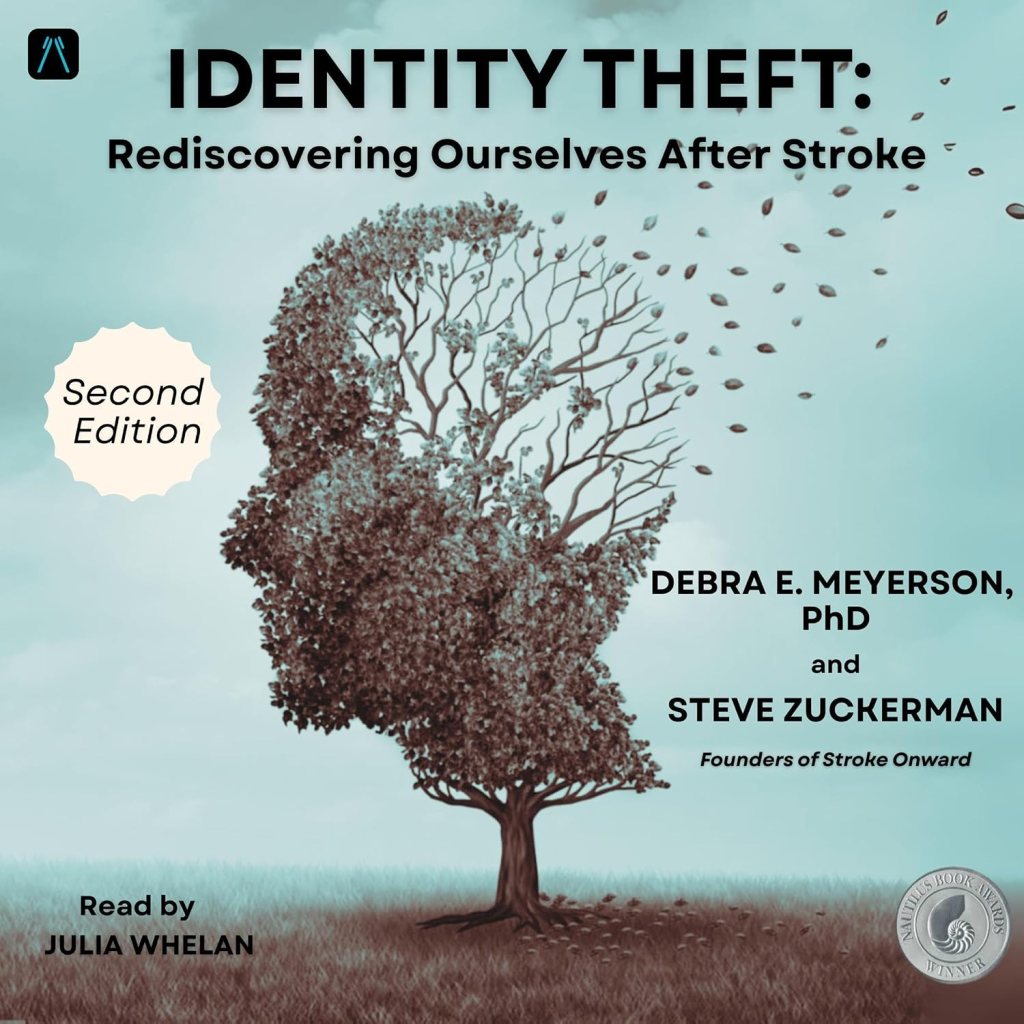
Book cover belongs to the publisher and is displayed for identification and review purposes.


Do you Love Love YOUR Brain?