
What if taking care of your brain wasn’t only about remembering more?
What if brain health also meant staying curious, moving your body, connecting with other people, managing stress, and continuing to challenge yourself?
In Keep Sharp: Build a Better Brain at Any Age, Dr. Sanjay Gupta explores what we can do to support brain health throughout life.
As a neurosurgeon and medical correspondent, Dr. Gupta brings together scientific research, expert perspectives, and practical strategies to explore how lifestyle and everyday choices may influence cognitive health.
The book is especially relevant for anyone interested in protecting brain function, staying mentally engaged, and understanding how our daily habits can contribute to long-term brain health.
📖 Brain Health Is More Than Memory
When people think about keeping their brains healthy, they often think about memory.
But brain health involves much more.
It can include:
🧠 Thinking and learning
💭 Memory
🎯 Focus and attention
❤️ Emotional wellbeing
🚶 Physical activity
🤝 Social connection
🌱 Purpose and curiosity
Keep Sharp encourages readers to think about brain health as something that involves the whole person, rather than focusing on one specific ability.
🧠 Your Brain Can Benefit From Being Challenged
Our brains are designed to learn.
Learning something new can challenge the brain and encourage us to stay mentally engaged.
That doesn’t necessarily mean completing complicated puzzles all day.
It could mean:
📖 Reading about a new subject
🎵 Learning an instrument
🌎 Learning another language
🍳 Trying a new recipe
🎨 Exploring a creative activity
💬 Having meaningful conversations
The important part is continuing to learn and remain curious.
🚶 Move Your Body
Physical activity is another major part of Dr. Gupta’s approach to brain health.
Movement supports overall health and can also benefit the cardiovascular system, which is closely connected to brain health.
You don’t necessarily need to become an athlete.
Walking.
Stretching.
Dancing.
Gardening.
Swimming.
Any movement that is appropriate for your abilities can become part of a healthy routine.
For people living with brain injury, however, activity should always be adapted to individual abilities and discussed with a healthcare professional when necessary.
❤️ Social Connection Matters
Brain health isn’t only about what happens inside your head.
Relationships matter too.
Spending time with family.
Talking with friends.
Joining a community.
Volunteering.
Participating in activities with other people.
These experiences can provide connection, stimulation, and a sense of belonging.
For someone living with brain injury, social connection can be particularly meaningful when isolation becomes part of the recovery experience.
Sometimes simply knowing:
“I’m not alone.”
can make a difference.
🌱 Purpose Can Keep Us Moving Forward
Having something to look forward to can be powerful.
Purpose doesn’t have to mean having a major career or accomplishing something extraordinary.
It might be:
❤️ Caring for someone you love
🌻 Helping your community
🎨 Creating something
🐶 Caring for a pet
📚 Learning something new
🤝 Supporting another survivor
Purpose gives our days meaning.
And meaning can be an important part of wellbeing.
😴 Sleep Is Brain Care
Sleep is another important part of brain health.
When we sleep, the brain carries out important processes that support overall cognitive and physical wellbeing.
Poor sleep can affect:
🧠 Concentration
💭 Memory
😴 Energy
❤️ Mood
For brain injury survivors, sleep problems can be especially frustrating.
Creating a consistent sleep routine and discussing persistent sleep difficulties with a healthcare professional can be an important part of overall care.
🧘 Managing Stress
Stress is part of life.
But chronic stress can affect how we feel, think, sleep, and function.
Keep Sharp encourages readers to consider ways to manage stress and create healthier routines.
That might include:
🌿 Time in nature
🧘 Breathing or relaxation exercises
🎵 Listening to music
🚶 Walking
❤️ Spending time with people who make you feel safe
Sometimes taking care of your brain means giving it permission to slow down.
🥗 Nutrition Matters
What we eat is another part of overall health.
A balanced eating pattern can support cardiovascular health and general wellbeing, which are both important considerations for brain health.
Instead of looking for one “superfood” that will magically protect the brain, it’s more useful to think about the overall pattern of your diet.
More nourishing foods.
More variety.
Adequate hydration.
And a sustainable approach that fits your life.
💡 Small Habits Can Add Up
One of the most encouraging messages from Keep Sharp is that brain health isn’t something we have to think about only when we get older.
We can start caring for our brains now.
And it doesn’t require changing everything overnight.
Maybe today you take a short walk.
Tomorrow you call a friend.
Later you read something interesting.
You choose a nourishing meal.
You get enough sleep.
You try something you’ve never done before.
These small choices can become part of a larger lifestyle.
🧠 Brain Health After Brain Injury
For people living with TBI or another neurological injury, the conversation about brain health can feel different.
You may already be doing more than most people realize just to get through the day.
You may be managing fatigue, cognitive symptoms, sensory sensitivity, pain, or other challenges.
That means brain health shouldn’t become another source of pressure.
You don’t need to do everything perfectly.
You don’t have to follow every recommendation.
And you don’t have to compare yourself with someone else’s recovery.
Instead, consider:
What does my brain need today?
Maybe it needs movement.
Maybe it needs stimulation.
Maybe it needs connection.
Maybe it needs nutrition.
Or maybe it simply needs rest.
Listening to your brain is also part of caring for it.
🌻 There Is No Perfect Brain Health Routine
Every person is different.
Age, medical history, abilities, lifestyle, environment, and individual circumstances all matter.
A routine that works beautifully for one person may not work for another.
That’s especially important for brain injury survivors.
Your version of brain health may look different.
And that’s okay.
The goal isn’t perfection.
The goal is finding sustainable ways to support your overall wellbeing.
💗 Love Love Brain Thoughts
Keep Sharp reminds us that caring for the brain is not something we have to wait to do.
It can happen through everyday choices.
A walk.
A conversation.
A good night’s sleep.
A healthy meal.
A new book.
A new skill.
A moment of laughter.
Time with someone we love.
And sometimes, simply giving ourselves permission to rest.
For people living with brain injury, this message can be especially important.
Your brain may have changed.
Your abilities may have changed.
Your routine may have changed.
But you can still find ways to care for yourself.
You don’t have to do everything.
You don’t have to be perfect.
You simply have to start where you are.
Take care of your brain.
Be patient with your body.
Stay curious.
Keep connecting.
And remember that brain health is about more than keeping sharp.
It’s about living a life that feels meaningful to you.
💬 We’d Love to Hear From You
What is one thing you do to take care of your brain?
Do you enjoy learning new things, walking, reading, spending time with others, or simply giving yourself time to rest?
What helps you feel mentally and emotionally well?
Share your experience in the comments.
Your story may be exactly what another survivor or caregiver needs to hear today.
📖 Where to Find the Book
If you’d like to learn more about Keep Sharp: Build a Better Brain at Any Age, you can find it through major book retailers.
🛒 Get the Book on Amazon
Love Love Brain may earn a small commission from qualifying purchases made through this link. This does not affect the price you pay.
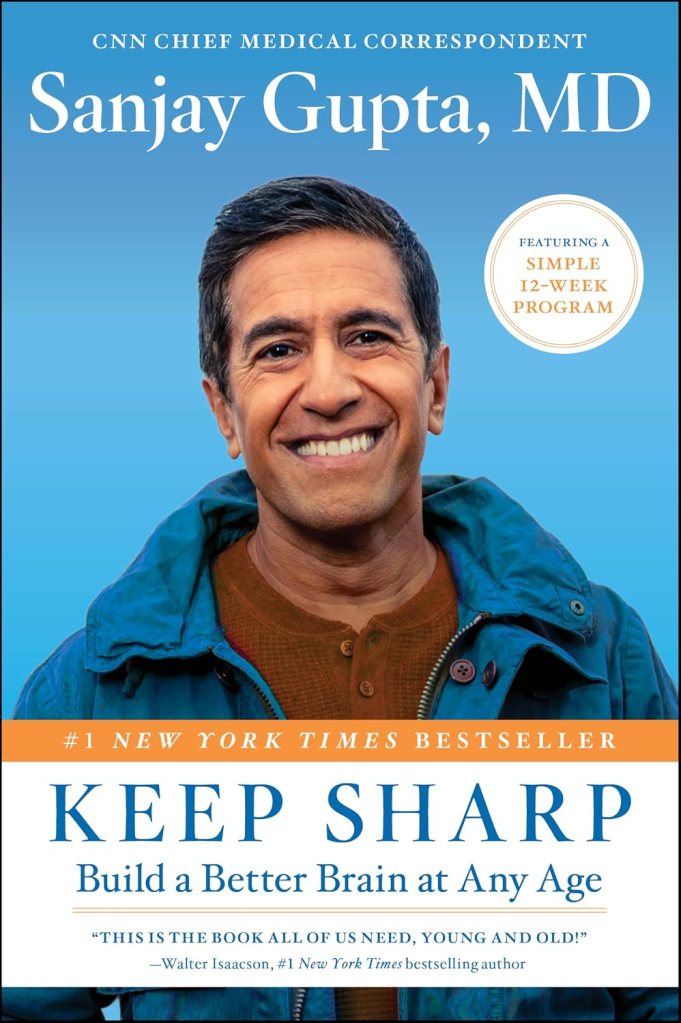
Book cover belongs to the publisher and is displayed for identification and review purposes.
Note: This book review is for educational purposes only and is not medical advice. Brain health recommendations should be discussed with a qualified healthcare professional based on your individual needs.


Do you Love Love YOUR Brain?