
Conversation is something most of us do every day.
We talk to family.
We talk to friends.
We talk to doctors.
We talk to caregivers.
We talk to coworkers.
We meet new people.
But communication isn’t always easy.
Especially after brain injury.
A conversation that once felt automatic may suddenly require concentration, patience, and extra energy.
Masterful Conversation Skills by Noah Reed focuses on practical communication techniques designed to help readers become more confident, connect with others, and navigate everyday conversations. The book covers conversation openers, listening, body language, difficult conversations, conflict, networking, dating, texting, and a 30-day practice plan.
💬 When Words Don’t Come Easily
Brain injury can affect communication in many ways.
You may know what you want to say but struggle to find the words.
You may lose your train of thought.
You may need more time to process what someone is saying.
You may become overwhelmed when several people are talking.
And sometimes, the fear of making a mistake can make speaking even harder.
🧠 Conversation Takes More Than Words
Good communication isn’t only about speaking.
It involves:
👂 Listening
👀 Paying attention
❤️ Showing empathy
⏸️ Knowing when to pause
❓ Asking questions
🤝 Understanding another person’s perspective
These skills can help create stronger connections.
🌱 It Is Okay to Ask for More Time
After brain injury, you may need to communicate differently.
You can say:
“Give me a moment to think.”
“Could you repeat that?”
“I lost my train of thought.”
“Can you explain that another way?”
These aren’t embarrassing statements.
They are tools for communicating your needs.
🤝 Connection Doesn’t Require Perfection
Sometimes we put too much pressure on ourselves to say the perfect thing.
But meaningful connection isn’t about perfection.
It’s about being present.
Listening.
Showing interest.
Being genuine.
A simple:
“How are you doing?”
can open the door to a meaningful conversation.
❤️ Finding Confidence Again
Social confidence can change after a brain injury.
You may become more cautious.
You may avoid situations that once felt comfortable.
You may worry about how others perceive you.
Rebuilding confidence can happen slowly.
One conversation.
One successful interaction.
One moment of realizing:
“I can do this.”
🌻 Communication Is Also Self-Advocacy
Being able to communicate your needs is an important part of recovery.
You can tell people:
“I need a quieter place.”
“I’m getting overwhelmed.”
“Please slow down.”
“I need a break.”
These are not limitations.
They are ways of taking care of yourself.
💗 Love Love Brain Thoughts
Your voice still matters.
Even if it takes longer to find your words.
Even if conversations exhaust you.
Even if you need to communicate differently now.
You still have something to say.
You don’t have to become the most confident person in the room.
You simply need to find ways to communicate that work for your brain.
Connection doesn’t require perfection.
It requires understanding, patience, and authenticity.
💬 We’d Love to Hear From You
Has brain injury changed the way you communicate?
What helps you feel more comfortable in conversations?
What do you wish other people understood about communicating with you?
Share your experience in the comments.
📖 Where to Find the Book
The book is listed as a 2026 paperback by Noah Reed. One listing describes it as a 58-page guide covering confidence, listening, body language, difficult conversations, networking, relationships, and a 30-day conversation practice plan.
🛒 Get the Book on Amazon
Love Love Brain may earn a small commission from qualifying purchases made through this link. This does not affect the price you pay.
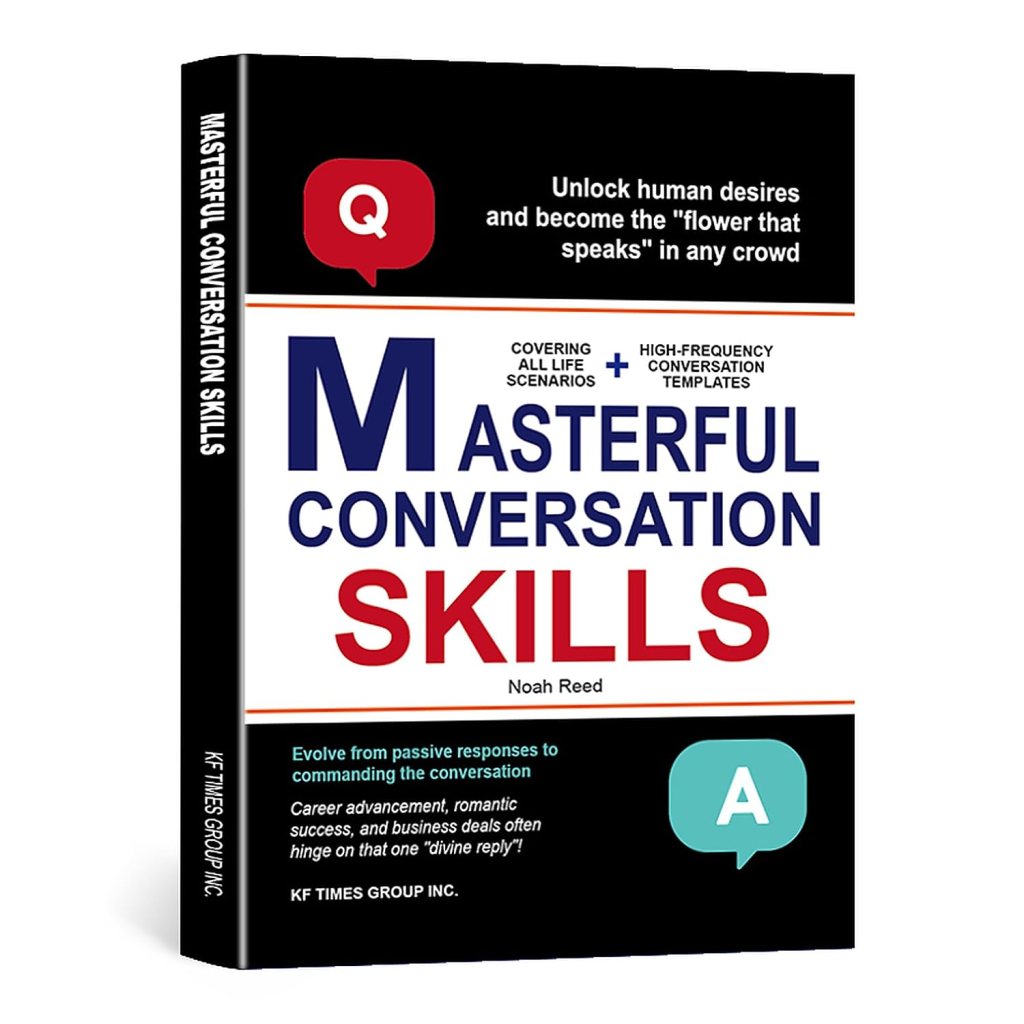
Book cover belongs to the publisher and is displayed for identification and review purposes.
Note: This book review is for educational and reflective purposes only and is not medical advice.


Do you Love Love YOUR Brain?