
What does life look like years after a traumatic brain injury?
Not just during the emergency.
Not just during rehabilitation.
Not just during the first few months.
But years later?
TBI Purgatory: Comes After Being in TBI Hell by Geo Gosling gives readers a personal look at that long-term experience.
The book was published in 2010 and follows Gosling’s earlier memoir, TBI Hell. According to the publisher, Gosling writes about life 14 years after sustaining a traumatic brain injury and offers a perspective on what life can look like long after the initial injury.
🧠 Recovery Doesn’t End When Rehabilitation Ends
Sometimes people assume that once rehabilitation is finished, life simply returns to normal.
But brain injury doesn’t always work that way.
There may be long-term changes.
Long-term adaptations.
Long-term frustrations.
And long-term questions.
“What now?”
💔 Living in the In-Between
The idea of “purgatory” captures a difficult middle ground.
The emergency has passed.
But life may still not feel normal.
You may have learned how to manage certain challenges.
But you may still be grieving what changed.
You may not be where you were immediately after your injury.
But you may also not be where you hoped you would be.
That middle space can be difficult.
🚲 Finding New Ways to Participate
One of the examples included by the publisher describes Gosling using a stationary bicycle so he could continue exercising.
It is a simple but meaningful example of adaptation.
Something changed.
So he found another way.
That is often what long-term recovery requires.
🌱 The Long-Term Story Matters
Many brain injury stories focus on the beginning.
The accident.
The hospital.
The rehabilitation.
But survivors and caregivers also need stories about what happens later.
What happens after the appointments become less frequent?
What happens when people around you assume you’ve “recovered”?
What happens when you are still adapting?
Those stories matter.
🕊️ You Are Allowed to Grieve
Long-term recovery can involve grief.
You may grieve abilities.
Relationships.
Career plans.
Independence.
The person you were before.
Grief doesn’t mean you aren’t grateful to be alive.
Two things can be true at once.
You can be grateful to be here.
And you can still miss what was lost.
🌻 Your Story Continues
A brain injury may become a major turning point in your life.
But it doesn’t have to be the final chapter.
There can still be new routines.
New discoveries.
New relationships.
New goals.
New ways of finding meaning.
💗 Love Love Brain Thoughts
There is no single timeline for life after brain injury.
Some people experience dramatic improvements.
Others live with lasting changes.
Many experience a mixture of both.
What matters is that your experience is real.
If you are still adapting years later, you are not failing.
You are living with a life-changing injury and continuing to find your way.
The chapter after rehabilitation is still part of your story.
💬 We’d Love to Hear From You
What has surprised you most about long-term recovery?
What have you learned about yourself since your injury?
What do you wish people understood about life after the rehabilitation phase?
Share your experience in the comments.
📖 Where to Find the Book
TBI Purgatory: Comes After Being in TBI Hell was published by Outskirts Press on September 30, 2010. The publisher lists it as a 159-page black-and-white paperback memoir.
🛒 Get the Book on Amazon
Love Love Brain may earn a small commission from qualifying purchases made through this link. This does not affect the price you pay.
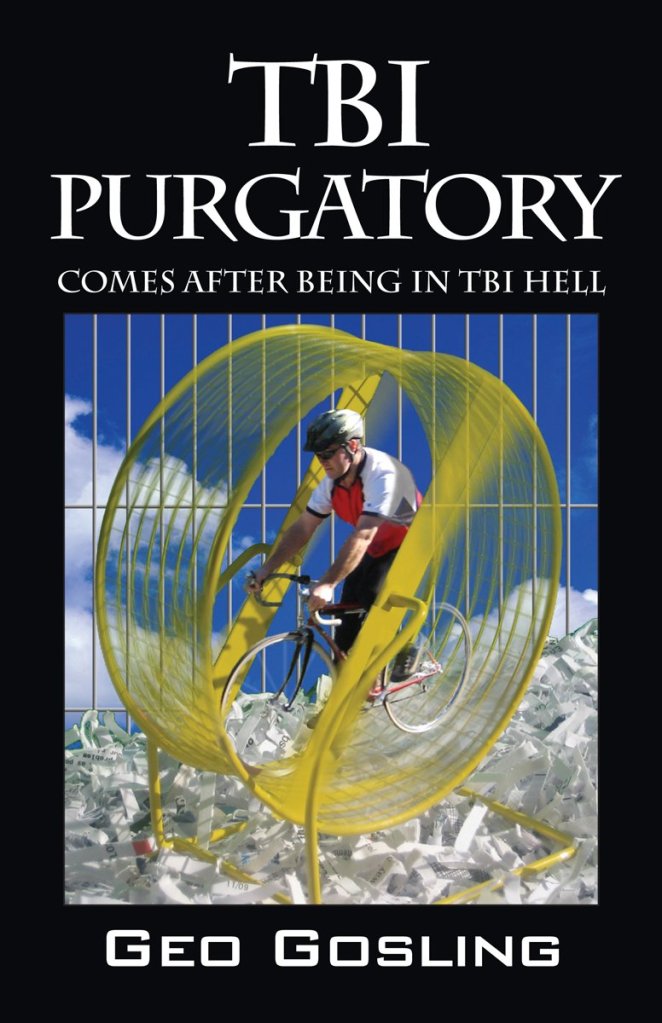
Book cover belongs to the publisher and is displayed for identification and review purposes.
Note: This book review is for educational and reflective purposes only and is not medical advice.


Do you Love Love YOUR Brain?