
Life doesn’t come with an instruction manual.
We are expected to figure things out as we go.
How to handle difficult moments.
How to understand ourselves.
How to make decisions.
How to deal with change.
How to find meaning when life doesn’t go according to plan.
The Operating Manual to Life by David Dayan Fisher offers a reflective way to think about these everyday challenges and the choices we make along the way.
For someone living with a brain injury, the idea of an “operating manual” can feel especially meaningful.
A brain injury can change the way you navigate life.
Things that once felt automatic may suddenly require new strategies.
And sometimes, recovery involves creating a new way of doing things rather than simply trying to return to the way things were before.
📖 There Is No Perfect Manual
We often wish someone could tell us exactly what to do.
What decision to make.
What direction to take.
How to handle a difficult relationship.
How to deal with uncertainty.
But life rarely works that way.
There isn’t one manual that works perfectly for everyone.
We learn through experience.
We make mistakes.
We adjust.
We try again.
And over time, we begin to understand ourselves better.
🧠 Learning How You Work
An operating manual is useful because it helps us understand how something works.
The same idea can apply to ourselves.
What helps you feel calm?
What overwhelms you?
When do you have the most energy?
What helps you focus?
What situations drain you?
What kind of support do you need?
After a brain injury, these questions can become especially important.
Your brain may work differently than it did before.
Learning your new patterns can help you understand what you need rather than constantly judging yourself for what has changed.
💔 When the Old Instructions Don’t Work Anymore
Before a brain injury, you may have had routines that worked perfectly well.
You knew how to manage work.
You knew how to socialize.
You knew how much you could accomplish in a day.
You knew how to handle stress.
Then the injury happened.
Suddenly, the old system may not work the same way.
You may need more breaks.
You may need more time.
You may need fewer distractions.
You may need to do one thing at a time.
That doesn’t mean you’re broken.
It means you may need to update the way you operate.
🌱 Creating Your Own New Manual
Recovery can involve discovering your own personal operating manual.
It might include:
⏰ My best time of day: When I have the most energy.
🔇 My triggers: What causes overwhelm or fatigue.
🧘 What calms me: What helps my nervous system settle.
❤️ What supports me: The people I feel safe asking for help.
⏸️ When I need a break: The signs that I’m reaching my limit.
🌿 What restores me: Activities that help me recharge.
Learning these things isn’t giving in to your limitations.
It’s learning how to work with your brain.
💭 You Don’t Have to Figure Everything Out Today
When life changes dramatically, we can feel pressure to have all the answers.
“What am I supposed to do now?”
“What will my future look like?”
“Who am I now?”
These questions can become overwhelming.
But you don’t have to answer all of them today.
Sometimes the next step is enough.
One decision.
One conversation.
One appointment.
One rest period.
One small goal.
Life becomes easier to navigate when we stop demanding that we know the entire route.
🧭 You Can Change Direction
An operating manual isn’t meant to lock you into one way of doing things.
Sometimes the best thing we can do is recognize that something isn’t working and try another approach.
After brain injury, that may mean changing:
Your routine.
Your work.
Your relationships.
Your expectations.
Your goals.
Your definition of success.
Changing direction doesn’t mean failure.
It means you’re paying attention.
🤝 Learning to Ask for Help
Many people are taught to be independent.
To figure things out themselves.
To keep going.
But brain injury can teach us something different.
Sometimes strength looks like saying:
“I need help.”
“Can you give me a little more time?”
“I don’t understand yet.”
“I need to rest.”
“Can we try this another way?”
Asking for help isn’t a failure of independence.
Sometimes it is part of learning how to live more successfully with your current abilities.
❤️ Your Worth Is Not Your Productivity
One of the most difficult adjustments after brain injury can be separating your identity from what you accomplish.
Before the injury, perhaps you measured yourself by:
💼 Your career
🏆 Your achievements
💰 Your income
⏰ How much you could get done
After injury, those measurements may no longer work.
But your worth was never supposed to depend entirely on productivity.
You are still valuable when you rest.
You are still valuable when you need help.
You are still valuable when progress is slow.
🌻 Life Is a Learning Process
We don’t receive a finished manual at birth.
We learn as we go.
We discover what works.
We discover what doesn’t.
We make mistakes.
We adjust.
We grow.
A brain injury can make this learning process feel much more obvious.
You may have to relearn things that once seemed automatic.
But learning again isn’t something to be ashamed of.
It is part of being human.
🦋 A Different Life Can Still Be a Good Life
Sometimes recovery becomes focused on returning to the exact person we were before.
But what if a meaningful life can look different?
Maybe your priorities change.
Maybe your pace changes.
Maybe you discover new interests.
Maybe you find new ways to contribute.
Maybe you become more compassionate toward yourself and others.
A different life isn’t automatically a worse life.
It can simply be a different version of life.
💗 Love Love Brain Thoughts
The Operating Manual to Life can inspire us to think about something important:
What if we stopped expecting ourselves to operate exactly the way we did before?
After brain injury, you may need a new set of instructions.
Maybe your brain needs more rest.
Maybe you need quieter environments.
Maybe you need to plan less into one day.
Maybe you need more support.
Maybe you need to celebrate smaller victories.
That doesn’t mean you are failing.
It means you are learning yourself again.
And perhaps your personal operating manual can begin with something simple:
Listen to your body.
Respect your limits.
Ask for help.
Give yourself time.
Stay curious.
Keep learning.
Your life may not come with an instruction manual.
But you can keep writing your own.
And you can update it whenever you need to.
You are allowed to operate differently.
You are allowed to change direction.
You are allowed to create a life that works for you now.
💬 We’d Love to Hear From You
If you could create your own personal operating manual, what would you put in it?
What helps your brain feel its best?
What is one thing you’ve learned about yourself since your brain injury?
Share your experience in the comments.
Your story may be exactly what another survivor or caregiver needs to hear today.
📖 Where to Find the Book
If you’d like to learn more about The Operating Manual to Life by David Dayan Fisher, you can look for the book through major book retailers.
🛒 Get the Book on Amazon
Love Love Brain may earn a small commission from qualifying purchases made through this link. This does not affect the price you pay.
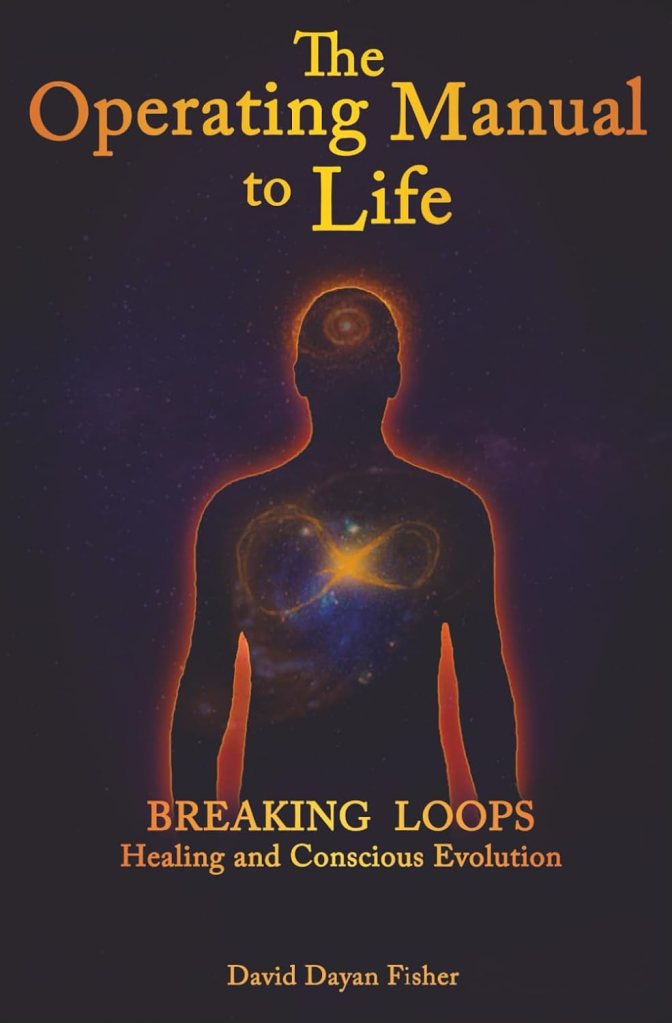
Book cover belongs to the publisher and is displayed for identification and review purposes.
This book review is for educational and reflective purposes only and is not medical advice.


Do you Love Love YOUR Brain?