
What if living a meaningful life isn’t about becoming more successful, more productive, or more impressive?
What if it is about learning how to live with greater awareness, less unnecessary suffering, and less attachment to the ego?
Hidden Secrets of Buddhism: How to Live With Maximum Impact and Minimum Ego by Lachlan Brown presents Buddhist ideas in a practical, accessible way. Brown draws from teachings such as the Eightfold Path, mindfulness, meditation, and Buddhist approaches to suffering and the ego, while connecting them to modern everyday life.
For someone living with a brain injury, some of these ideas can offer a gentle way to think about thoughts, stress, identity, and finding peace during difficult circumstances.
🧠 You Don’t Have to Believe Every Thought
Our minds can become very busy.
We think about what happened.
We worry about what might happen.
We replay conversations.
We compare ourselves with other people.
We imagine everything that could go wrong.
Buddhist practice encourages us to become more aware of our thoughts instead of automatically identifying with them.
That can be a powerful distinction.
A thought can appear without becoming a command.
You can notice a thought without allowing it to control your entire day.
💭 The Ego Doesn’t Have to Run the Show
The book explores the idea of living with less ego.
The ego can become attached to identities:
“I need to be successful.”
“I need to be independent.”
“I need to be productive.”
“I need to be who I was before.”
After brain injury, these attachments can become painful.
If your identity was strongly connected to your career, abilities, or independence, losing some of those things can feel like losing yourself.
But you are more than the roles you perform.
🌱 The Eightfold Path
One of the foundations explored in the book is the Eightfold Path, which Brown presents as a practical framework rather than simply an abstract religious concept.
The path encourages reflection on how we think, speak, act, work, make effort, pay attention, and develop concentration.
For everyday life, this can become an invitation to ask:
How am I living?
How am I treating myself?
How am I treating other people?
Where is my attention going?
These questions can be valuable during recovery too.
🧘 Coming Back to the Present
Mindfulness is another important theme.
Instead of constantly living in the past or future, mindfulness encourages us to return to what is happening now.
For a brain injury survivor, this can be especially helpful when thoughts become overwhelming.
You don’t have to solve your entire recovery today.
You can focus on:
One breath.
One task.
One conversation.
One moment.
💔 Suffering Doesn’t Mean You Are Failing
Brain injury can involve genuine loss.
There may be grief over abilities, relationships, work, independence, or the life you once imagined.
Acknowledging suffering isn’t the same as giving up.
It can mean being honest about what hurts while learning how to relate to that pain differently.
The book presents Buddhism as a practical philosophy for reducing unnecessary suffering and developing greater peace and clarity.
💗 Love Love Brain Thoughts
Hidden Secrets of Buddhism reminds us that sometimes healing begins with changing our relationship with our thoughts.
You don’t have to fight every thought.
You don’t have to believe every fear.
You don’t have to hold on tightly to an old identity.
You can pause.
Observe.
Breathe.
And choose your next step.
Your brain injury may have changed your life.
But it doesn’t have to define every thought you have about that life.
You are more than what happened to you.
You are more than what you can or cannot do today.
And you can continue learning how to live with greater awareness, compassion, and peace.
💬 We’d Love to Hear From You
What helps you quiet your mind when you’re overwhelmed?
Have mindfulness or meditation helped you during your recovery?
What thought are you learning to let go of?
Share your experience in the comments.
Your story may be exactly what another survivor needs to hear today.
📖 Where to Find the Book
If you’d like to learn more about Hidden Secrets of Buddhism, you can find the book through major book retailers.
🛒 Get the Book on Amazon
Love Love Brain may earn a small commission from qualifying purchases made through this link. This does not affect the price you pay.
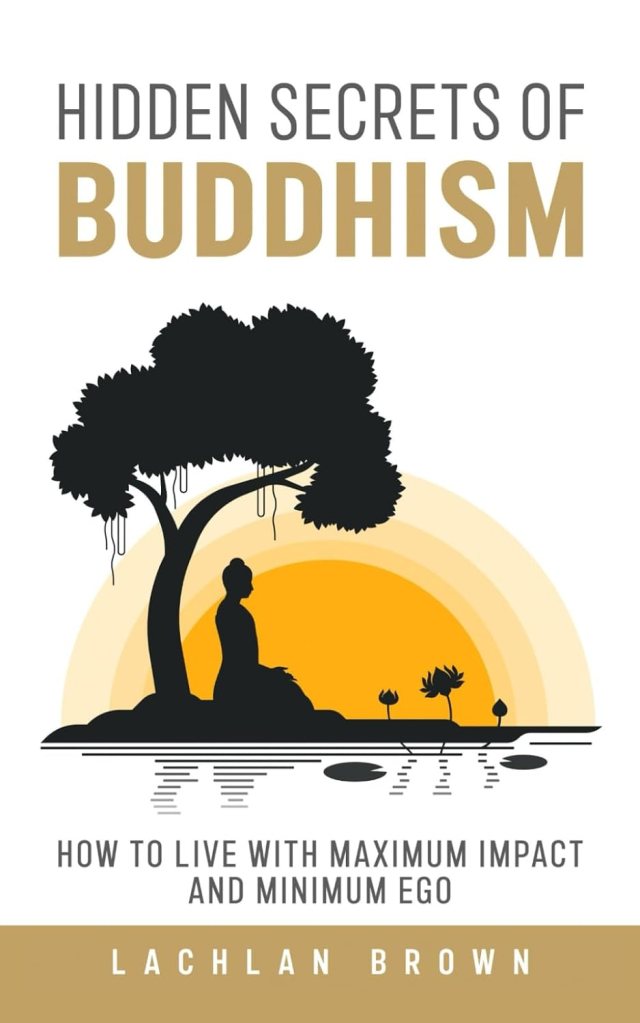
Book cover belongs to the publisher and is displayed for identification and review purposes.


Do you Love Love YOUR Brain?