
You can be injured without anyone seeing the injury.
You can look like yourself.
You can walk.
You can talk.
You can smile.
And yet, your brain may be working incredibly hard just to get through an ordinary day.
For people living with mild traumatic brain injury, one of the hardest parts can be explaining what has changed.
Why is concentrating so difficult?
Why does noise suddenly feel overwhelming?
Why are simple tasks exhausting?
Why can’t you remember what you just read?
Why do your emotions feel different?
Brainlash: Maximize Your Recovery From Brain Injury by Gail L. Denton, PhD was written to help make these experiences easier to understand.
Denton brings both professional and personal perspective to the subject. She is a psychotherapist and a brain injury survivor herself, giving the book a particularly personal understanding of the challenges that can follow mild brain injury.
📖 When Your Brain Doesn’t Feel Like Your Brain
A brain injury can create an unsettling experience.
You know who you are.
You know what you used to be able to do.
But suddenly, ordinary things may become difficult.
Reading takes longer.
Conversations become tiring.
Planning feels complicated.
Your attention disappears.
Your energy runs out.
You may find yourself thinking:
“Why can’t I do this anymore?”
That question can be painful.
And it can lead to frustration, fear, and self-doubt.
Brainlash attempts to put language around many of these experiences and provide practical information for navigating life after mild brain injury.
🧠 The Invisible Side of Brain Injury
One of the most important messages in the book is that mild brain injury can still have significant consequences.
“Mild” does not necessarily mean “easy.”
A person can have an injury that is classified as mild while experiencing substantial difficulties with:
🧠 Attention
💭 Thinking
🗂️ Planning
🗣️ Communication
⚡ Energy
👀 Vision
💔 Emotional regulation
The book covers issues including attention, overwhelm, sequencing, stamina, fatigue, executive functioning, vision, pain, emotions, and changes in abilities.
These symptoms can be difficult to explain to someone who has never experienced them.
💔 When Everyone Thinks You’re Fine
Perhaps one of the most frustrating experiences after brain injury is looking fine when you don’t feel fine.
Someone might say:
“You don’t look injured.”
“You seem fine to me.”
“You were able to do it yesterday.”
But recovery doesn’t work that way.
Your abilities can fluctuate.
One day may be manageable.
The next day may feel completely different.
Fatigue can change your concentration.
Stress can increase your symptoms.
Too much stimulation can overwhelm your brain.
And pushing beyond your limits may leave you needing even more recovery time.
🌪️ When Ordinary Life Becomes Overwhelming
Imagine trying to have a conversation while several people are talking around you.
Imagine walking through a busy store while lights, sounds, movement, and decisions compete for your attention.
Imagine trying to organize several tasks when your brain suddenly cannot determine what needs to happen first.
These situations can become exhausting after brain injury.
Brainlash addresses experiences such as overwhelm, attention difficulties, sequencing, stamina, and executive functioning.
Understanding these difficulties can help survivors recognize that struggling with them does not mean they are lazy or incapable.
It means their brain may need a different approach.
🧩 Recovery Is More Than “Trying Harder”
One of the most important lessons after brain injury is that recovery isn’t simply about forcing yourself to do more.
Sometimes the better question is:
“How can I do this differently?”
You may need:
⏸️ More breaks
📝 Written reminders
🔇 Less stimulation
🗂️ Simpler routines
⚡ More time
🧠 New strategies
These aren’t signs of weakness.
They are adaptations.
🌱 Retraining Your Brain
The book includes discussion of retraining the brain, developing new skills, remembering what you know, and adjusting to new abilities.
Recovery can involve discovering that you are capable of learning new strategies.
Maybe you use a calendar now.
Maybe you keep notes.
Maybe you break one task into five smaller steps.
Maybe you rest before you become exhausted instead of waiting until your brain shuts down.
These changes may seem small.
But small changes can make everyday life more manageable.
⚡ Energy Is Part of Recovery
Fatigue is one of the realities that many brain injury survivors struggle to explain.
It isn’t always ordinary tiredness.
Your brain may become exhausted from activities that other people barely notice.
A conversation.
Reading.
Driving.
Making decisions.
Being around noise.
Working for several hours.
Even socializing can require significant cognitive energy.
The book specifically addresses stamina, fatigue, and energy as part of the recovery process.
Learning to respect that energy can be an important part of recovery.
👨👩👧 Families Need to Understand Too
Brain injury doesn’t only affect the person who was injured.
It affects families.
Partners.
Parents.
Children.
Friends.
Coworkers.
Caregivers.
People close to the survivor may not understand why someone who looks healthy suddenly needs more rest or struggles with things that once seemed easy.
Brainlash includes material specifically addressing family members and support systems.
Sometimes education can make compassion easier.
When people understand what is happening, they may be less likely to interpret symptoms as personality problems.
💼 Returning to Life
Recovery isn’t only about medical appointments.
Eventually, survivors may need to think about:
💼 Work
🚗 Driving
🏠 Home responsibilities
🤝 Relationships
🎯 Goals
🎨 Recreation
Returning to these activities can require adjustments.
The goal isn’t necessarily to return to exactly the way things were before.
Sometimes the goal is to find a sustainable way forward.
💡 A Good Brain Day
Not every day will be the same.
Some days may feel surprisingly good.
You may accomplish more than expected.
You may feel hopeful.
Then another day may bring fatigue or symptoms that seem to come from nowhere.
That doesn’t erase the progress you made.
One difficult day does not mean you are back at the beginning.
Recovery can be uneven.
❤️ Recovery Requires Patience
It can be tempting to compare yourself with other survivors.
Someone else recovered faster.
Someone else returned to work.
Someone else seems to be doing everything.
But your brain is yours.
Your injury is yours.
Your circumstances are yours.
Your recovery timeline is yours.
Comparison can make recovery feel like a competition.
It isn’t.
🤝 You Don’t Have to Figure It Out Alone
One of the strengths of Brainlash is that it recognizes the many people who can be involved in the recovery process.
Survivors.
Families.
Healthcare professionals.
Employers.
Support systems.
The book was designed to provide information not only for people with mild brain injury but also for family members and professionals involved in their care.
Having the right people around you can make the journey less isolating.
🌻 Recovery Can Mean Learning a New Way
Sometimes recovery isn’t about getting back to exactly who you were.
Sometimes it involves learning new ways to do familiar things.
New routines.
New boundaries.
New strategies.
New expectations.
New definitions of success.
That doesn’t mean giving up.
It means adapting.
💗 Love Love Brain Thoughts
Brainlash: Maximize Your Recovery From Brain Injury is especially meaningful for the Love Love Brain community because it focuses directly on the everyday realities of brain injury.
Gail Denton’s combination of professional knowledge and lived experience gives the book a perspective that can help survivors and the people around them better understand what happens after mild brain injury.
What stands out most is the reminder that recovery involves much more than simply asking whether someone is “better.”
Recovery can involve learning how to manage energy.
Learning how to communicate.
Learning how to plan.
Learning how to recognize overwhelm.
Learning when to rest.
Learning new skills.
And learning to be patient with yourself.
You are not failing because something takes longer.
You are not lazy because you need rest.
You are not weak because you need help.
Your brain has been through something.
Give it time.
Give it support.
Give yourself compassion.
At Love Love Brain, we believe recovery is not about pretending the injury never happened.
It is about understanding what changed and discovering new ways to move forward.
💬 We’d Love to Hear From You
What was the hardest part of adjusting after your brain injury?
Did fatigue or overwhelm become a bigger part of your life?
What strategy has helped you make everyday life easier?
Share your experience in the comments.
Your story may help another survivor feel understood.
📖 Where to Find the Book
Brainlash is available in several formats, including paperback, large print, Kindle, audio, and Braille editions of the third edition.
🛒 Get the Book on Amazon
Love Love Brain may earn a small commission from qualifying purchases made through this link. This does not affect the price you pay.
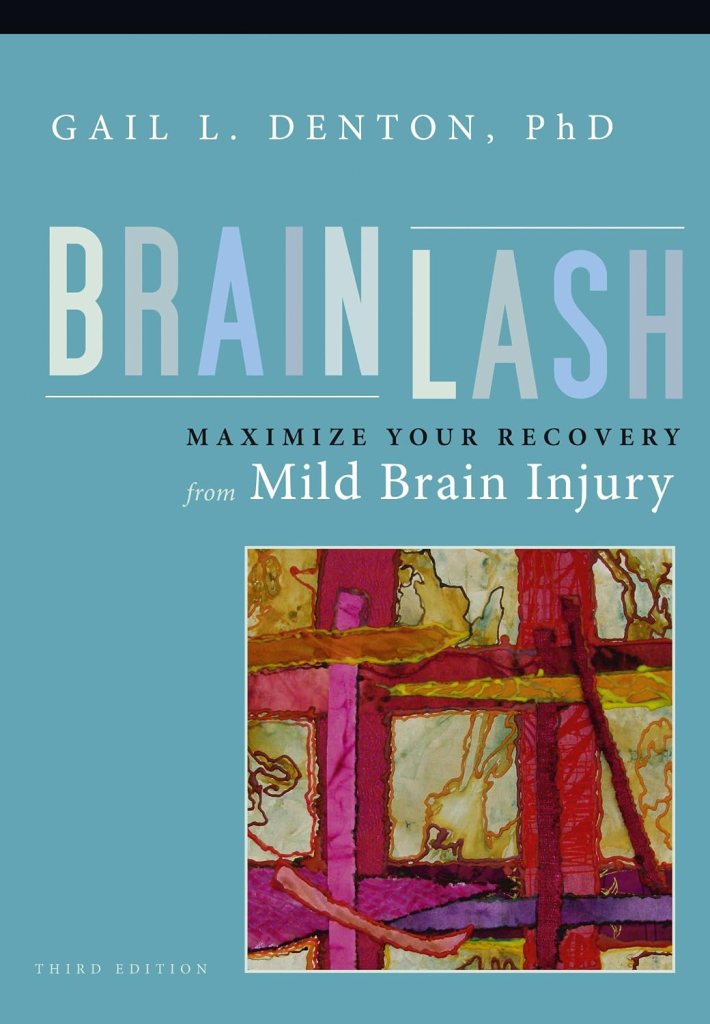
Book cover belongs to the publisher and is displayed for identification and review purposes.
Note: This book review is for informational and educational purposes only. It is not medical advice and should not replace guidance from a qualified healthcare professional. Every brain injury and recovery journey is different.


Do you Love Love YOUR Brain?