
A concussion can happen in seconds.
But the effects can last much longer.
A bump.
A blow.
A fall.
A collision.
A sudden movement.
Sometimes the injury is obvious.
Sometimes it isn’t.
Concussion: Traumatic Brain Injury From Head to Tail by Kester J. Nedd, DO explores concussion as a form of traumatic brain injury and addresses the ways it can affect the body and mind.
For survivors, understanding that a concussion can involve more than a temporary headache is important.
🧠 Concussion Is a Brain Injury
The word “concussion” can sound minor.
But a concussion is a type of traumatic brain injury.
Symptoms can affect many areas of life.
Memory.
Concentration.
Balance.
Sleep.
Mood.
Energy.
Communication.
And more.
💔 Symptoms Aren’t Always Visible
Someone with a concussion may look completely fine.
They may be walking.
Talking.
Smiling.
Going to work.
Yet internally they may be struggling.
This is one reason invisible injuries can be so difficult.
💭 The Brain and Body Are Connected
A brain injury doesn’t exist separately from the rest of the body.
Survivors may experience physical symptoms alongside cognitive and emotional changes.
Headaches.
Dizziness.
Fatigue.
Sleep difficulties.
Sensitivity to light or sound.
Mood changes.
These symptoms can affect everyday life.
🩺 Understanding Your Injury Matters
Learning about concussion can help survivors communicate more effectively with healthcare professionals.
It can help you describe symptoms.
Track patterns.
Ask questions.
And understand why recovery may require patience.
🌱 Recovery Can Take Time
Some people recover quickly.
Others experience persistent symptoms.
There is no single timeline that applies perfectly to everyone.
If symptoms continue, appropriate medical evaluation and follow-up are important.
📝 Pay Attention to Patterns
Keeping a simple record can help you notice patterns.
When did symptoms appear?
What makes them worse?
What helps?
How is sleep?
How is energy?
What happens after too much stimulation?
These observations can be useful when communicating with your healthcare team.
❤️ Don’t Minimize What You Feel
If you are struggling, you don’t need to compare yourself with someone else.
Someone else’s concussion may have been different.
Your experience is your experience.
🦋 Recovery Is More Than “Getting Back to Normal”
Sometimes recovery involves learning what your brain needs now.
More rest.
Different routines.
Reduced stimulation.
Gradual activity.
Additional support.
New expectations.
💗 Love Love Brain Thoughts
A concussion may have happened in one moment.
But recovery can become a journey.
Be patient with yourself.
Listen to your body.
Ask questions.
Seek appropriate care.
And remember:
An invisible injury is still an injury.
💬 We’d Love to Hear From You
What do you wish more people understood about concussion?
What helped you navigate your recovery?
Share your experience in the comments.
📖 Where to Find the Book
If you’d like to learn more about Concussion: Traumatic Brain Injury From Head to Tail by Kester J. Nedd, DO, you can look for the book through major book retailers.
🛒 Get the Book on Amazon
Love Love Brain may earn a small commission from qualifying purchases made through this link. This does not affect the price you pay.
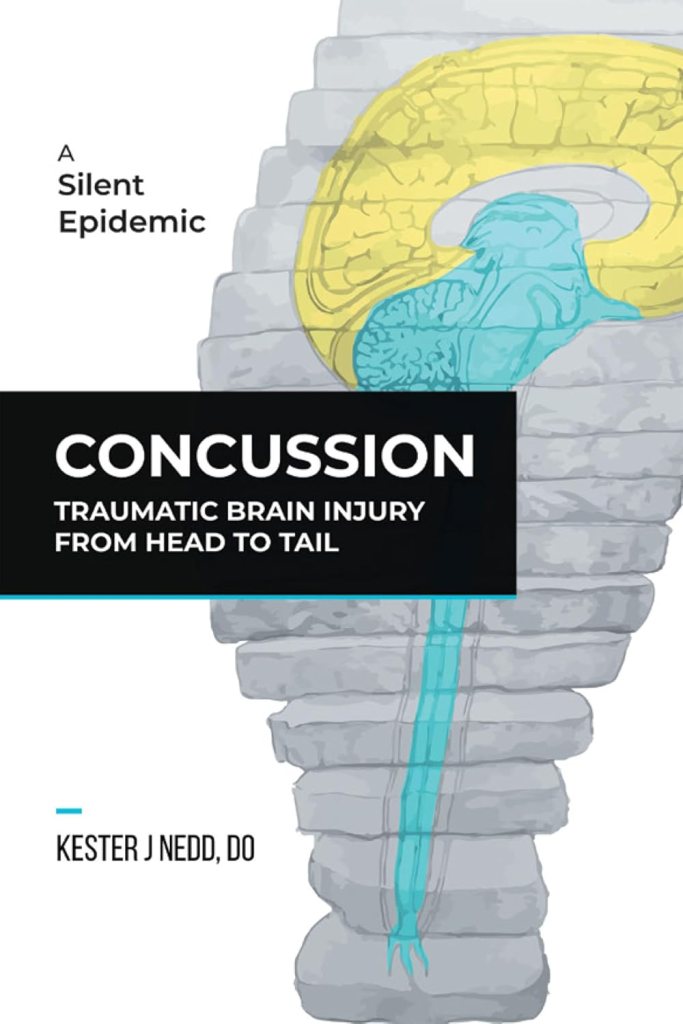
Book cover belongs to the publisher and is displayed for identification and review purposes.
Note: This book review is for educational and reflective purposes only and is not medical advice.


Do you Love Love YOUR Brain?