
What does it really mean to know another person?
Not just their name.
Not just their job.
Not just what they have accomplished.
But who they really are.
In How to Know a Person, David Brooks explores the importance of seeing people deeply and helping them feel understood, valued, and heard. The book focuses on attention, listening, conversation, curiosity, and the human need to feel truly seen.
For the brain injury community, these ideas can be especially powerful.
Because sometimes what survivors need most isn’t another person telling them what to do.
Sometimes they need someone who will simply listen.
👀 The Need to Be Seen
Brain injury can be invisible.
A survivor may look completely fine while experiencing exhaustion, confusion, sensory overload, memory problems, pain, or emotional difficulties.
When people only look at the outside, they may miss the person underneath.
Being truly seen can feel healing.
It communicates:
“I believe you.”
“I hear you.”
“Your experience matters.”
👂 Listening Is More Than Hearing
There is a difference between hearing someone’s words and actually listening to them.
Listening means slowing down.
Paying attention.
Not immediately trying to fix everything.
Not preparing your response while someone else is talking.
For a brain injury survivor, this can make a tremendous difference.
Sometimes we need extra time to find our words.
Sometimes we lose our train of thought.
Sometimes we need someone to be patient.
Good listening gives us room.
💗 Being an Illuminator
Brooks contrasts people who help others feel seen with those who unintentionally diminish them. His reader’s guide specifically highlights this idea of “illuminators” – people who bring out the best in others and help them feel recognized.
Imagine what that could look like in brain injury recovery.
Instead of:
“You look fine.”
Try:
“How are you really feeling today?”
Instead of:
“You already told me that.”
Try:
“That’s okay. Take your time.”
Instead of:
“You should be over this by now.”
Try:
“What do you need right now?”
Small changes in communication can create enormous differences in connection.
🧠 Understanding the Person Behind the Injury
A person is never just a diagnosis.
They are a parent.
A spouse.
A friend.
An artist.
A professional.
A caregiver.
A dreamer.
A survivor.
A human being.
Brain injury may become part of someone’s story, but it does not become their entire identity.
🌱 Curiosity Can Create Connection
Sometimes we assume we know what someone is experiencing.
But assumptions can create distance.
Curiosity creates space.
Instead of assuming, we can ask:
“What is this like for you?”
“What helps?”
“What has been difficult lately?”
“How can I support you?”
Those questions can open doors that advice cannot.
❤️ Love Love Brain Thoughts
Everyone wants to be seen.
Everyone wants to feel that their experience matters.
And for survivors of invisible disabilities, being seen can be especially powerful.
Maybe one of the greatest gifts we can give another person isn’t advice.
Maybe it’s attention.
Listen deeply.
Stay curious.
Make people feel seen.
📖 Where to Find the Book
If you’d like to learn more about How to Know a Person by David Brooks, you can look for the book through major book retailers.
🛒 Get the Book on Amazon
Love Love Brain may earn a small commission from qualifying purchases made through this link. This does not affect the price you pay.
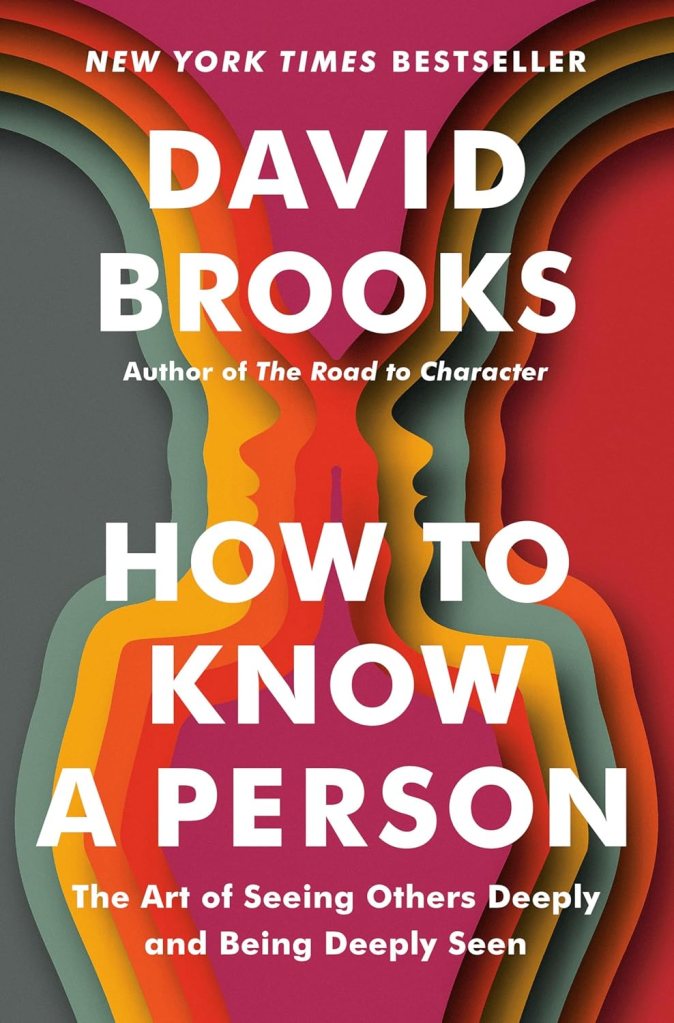
Book cover belongs to the publisher and is displayed for identification and review purposes.
Note: This book review is for educational and reflective purposes only and is not medical advice.


Do you Love Love YOUR Brain?