
Living with a brain injury can feel like learning how to navigate life all over again.
Things that once seemed automatic may suddenly require planning.
Remembering.
Organizing.
Communicating.
Managing emotions.
Handling fatigue.
Finding the right support.
Managing Brain Injury by Yochelson and Wolfe focuses on the practical challenges that can accompany life after brain injury and the importance of developing strategies to manage those challenges.
For survivors and caregivers, learning how to manage life after an injury can be just as important as understanding the injury itself.
🧠 When Your Brain Works Differently
Brain injury can affect many areas of everyday life.
You may forget things more easily.
You may become overwhelmed by too much information.
You may struggle with concentration.
You may experience changes in mood or behavior.
You may need more time to complete tasks.
These changes can be frustrating, especially when you remember how easily you once did these things.
💔 The Everyday Challenges Are Real
Sometimes people understand the immediate medical emergency but don’t understand what happens afterward.
Recovery continues at home.
At work.
In relationships.
During appointments.
While managing everyday responsibilities.
The invisible challenges can sometimes be the hardest ones to explain.
📝 Learning New Strategies
Managing brain injury can mean finding practical ways to make everyday life easier.
Writing things down.
Using calendars.
Setting reminders.
Creating routines.
Breaking large tasks into smaller steps.
Taking breaks.
Reducing distractions.
Asking someone to repeat information.
These strategies aren’t signs of failure.
They are tools for adapting.
⏰ Respecting Your Energy
Fatigue can make even simple tasks feel enormous.
Sometimes the most helpful strategy is recognizing your limit before you reach it.
Instead of asking:
“How much can I force myself to do?”
Try asking:
“How much can I do without overwhelming myself?”
That small change in thinking can make a difference.
🤝 Caregivers Are Part of the Journey
Brain injury doesn’t affect only the survivor.
Family members and caregivers may suddenly have new responsibilities.
They may need to help with appointments, transportation, household tasks, communication, or emotional support.
Caregivers need support too.
Recovery works better when everyone understands that they are part of the same team.
🌱 Progress Can Be Practical
Recovery isn’t always a dramatic breakthrough.
Sometimes progress looks like remembering an appointment.
Making a meal.
Completing a task.
Using a strategy successfully.
Recognizing that you need a break.
Asking for help before becoming overwhelmed.
These moments matter.
💗 Love Love Brain Thoughts
Living with brain injury may mean learning a different way to navigate life.
You don’t have to do everything the way you did before.
You can create new systems.
Use new tools.
Ask for help.
Change your routines.
And give yourself permission to adapt.
Managing your brain injury isn’t about being perfect.
It’s about finding what works for you.
💬 We’d Love to Hear From You
What strategy has made everyday life easier for you after brain injury?
Do you use reminders, lists, routines, or other tools?
Share your experience in the comments.
Your idea may help another survivor or caregiver.
📖 Where to Find the Book
If you’d like to learn more about Managing Brain Injury by Yochelson and Wolfe, you can look for the book through major book retailers.
🛒 Get the Book on Amazon
Love Love Brain may earn a small commission from qualifying purchases made through this link. This does not affect the price you pay.
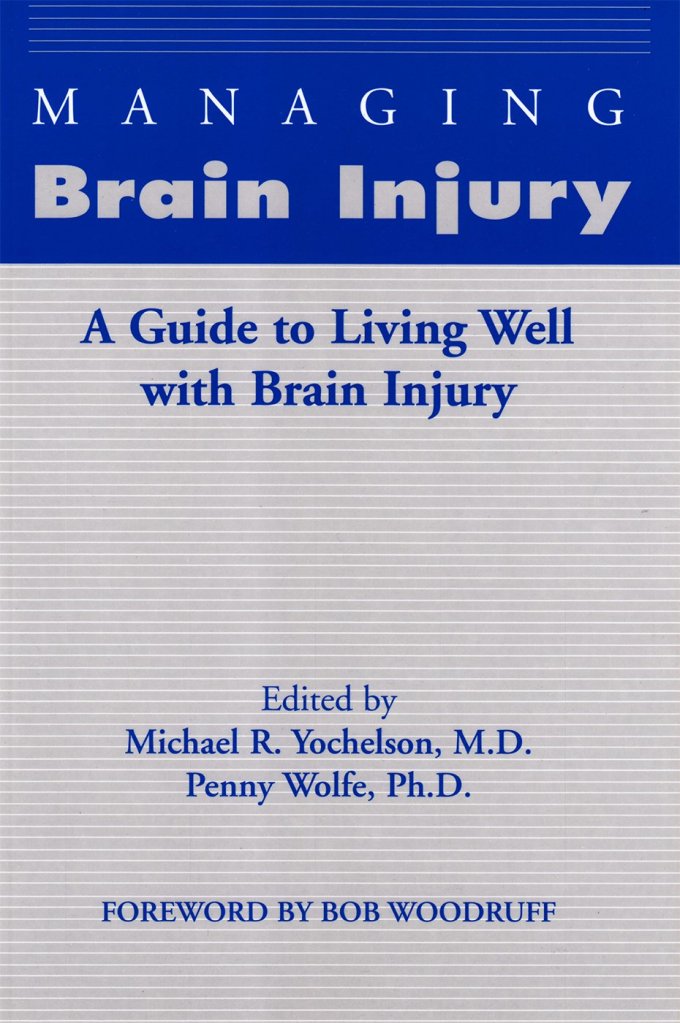
Book cover belongs to the publisher and is displayed for identification and review purposes.
Note: This book review is for educational and reflective purposes only and is not medical advice.


Do you Love Love YOUR Brain?