
Have you ever felt like your brain simply will not slow down?
After a brain injury, the mind can sometimes feel different. Thoughts may come more quickly, emotions may feel stronger, or worries about recovery and the future may become harder to quiet.
You may find yourself thinking about symptoms, appointments, what you used to be able to do, or what life will look like next.
And sometimes, you just want a little peace.
That is one reason 10% Happier by Dan Harris may be worth exploring.
This is not a book about brain injury, and meditation is not a cure for TBI. Instead, Harris shares his personal journey with anxiety, overthinking, and meditation – and explores how learning to pay attention to the mind can change the way we relate to our thoughts and emotions.
For someone living with brain injury, some of these ideas may offer another way to approach the difficult moments that can come with recovery.
🧠 When Your Brain Feels Overwhelmed
After a brain injury, mental and emotional overwhelm can sometimes feel like a lot to carry.
You may have thoughts about your symptoms.
You may worry about whether you are improving.
You may feel frustrated because something that used to be easy now takes much more effort.
Your mind may keep returning to the same questions.
Will I get better?
Why am I still struggling?
When will I feel like myself again?
What if this is my new normal?
10% Happier explores what happens when we begin noticing our thoughts instead of automatically following every thought that appears.
That small shift can be meaningful.
💭 Not Every Thought Needs Your Attention
One of the ideas that may resonate after brain injury is learning that a thought does not always need an immediate response.
A worried thought can feel very convincing.
But having the thought does not necessarily mean it is a fact.
When you are already dealing with fatigue, symptoms, changes in abilities, or uncertainty, your mind may naturally look for answers and explanations.
Mindfulness can offer a way to pause and notice what is happening without immediately getting pulled into the thought.
You might simply notice:
“I’m worried right now.”
“I’m frustrated right now.”
“My mind is thinking about the future again.”
That moment of noticing can create a little space.
🌿 Learning to Pause
For many people living with brain injury, life can feel like one long series of things to manage.
Appointments.
Therapy.
Symptoms.
Work.
Family responsibilities.
Everyday tasks that may now require more energy.
A pause can feel almost impossible.
But Harris’s experience with meditation points toward the value of creating small moments to stop and notice what is happening.
That does not have to mean sitting perfectly still for a long meditation session.
It might simply mean taking a few quiet breaths before responding to something stressful.
Or noticing that you are becoming overwhelmed and giving yourself permission to step away.
Sometimes a pause is enough to remind you:
I do not have to solve everything right now.
❤️ You Are Not Your Thoughts
Brain injury can affect how we see ourselves.
You may think:
“I’m not the person I used to be.”
“My brain isn’t working the way it used to.”
“I should be further along by now.”
These thoughts can be painful.
10% Happier encourages readers to become more aware of the thoughts happening inside their minds rather than automatically identifying with them.
This does not mean ignoring the real challenges of brain injury.
It means remembering that your thoughts are only one part of your experience.
You are more than a difficult day.
You are more than your symptoms.
You are more than what your brain injury has changed.
🌊 Making Space for Difficult Emotions
Life after brain injury can bring many emotions.
There may be sadness for what has changed.
There may be anger.
There may be fear.
There may also be guilt for feeling frustrated when other people cannot see how hard things really are.
Mindfulness does not mean forcing these emotions away.
Instead, it can encourage us to notice them.
“This is sadness.”
“This is frustration.”
“This is fear.”
Sometimes simply naming what we are experiencing can help us stop fighting the feeling for a moment.
And sometimes, that is enough for right now.
🧘 Meditation Does Not Mean Emptying Your Mind
One common misunderstanding about meditation is that you are supposed to stop thinking completely.
That is not realistic.
Especially when your brain is already dealing with changes, fatigue, anxiety, or difficulty concentrating.
Meditation can instead be understood as practicing attention.
You notice that your mind has wandered.
Then you gently bring your attention back.
And then it happens again.
And again.
That is not failure.
That is the practice.
🧩 Finding What Works for Your Brain
After a brain injury, something that works beautifully for one person may not work for another.
The same can be true with mindfulness.
A long meditation may feel calming for one person but overwhelming for someone else.
You might prefer a few minutes of quiet breathing.
You might prefer walking slowly and paying attention to your surroundings.
You might prefer listening to a short guided meditation.
Or you might simply take a few moments to notice your breathing during the day.
There is no need to turn mindfulness into another task you have to do perfectly.
Find what feels manageable for your brain.
🌱 Small Changes Still Count
Recovery can sometimes make us focus on big milestones.
When will I feel completely better?
When will I be able to do everything again?
When will I finally feel like myself?
But healing and adapting can also involve very small moments.
Maybe today you noticed that you were becoming overwhelmed before things escalated.
Maybe you took a break instead of pushing through.
Maybe you recognized a negative thought without believing it immediately.
Maybe you gave yourself permission to rest.
Those moments may seem small.
But small changes can still matter.
🧠 Be Gentle With a Changed Brain
One of the most important connections between 10% Happier and life after brain injury is the idea of becoming more aware of how we treat ourselves.
It is easy to become frustrated with your brain.
You may compare today’s abilities with what you could do before your injury.
You may feel impatient with your progress.
You may wonder why something that seems simple to someone else takes so much effort for you.
Try noticing the voice you use with yourself.
Would you speak to another brain injury survivor the way you sometimes speak to yourself?
You deserve that same compassion.
🤍 You Don’t Have to Be Perfectly Calm
Being mindful does not mean you will never feel anxious, angry, sad, frustrated, or overwhelmed again.
And living with a brain injury does not mean you have to become perfectly calm to be doing well.
Some days will be harder than others.
Some days your brain may have less energy.
Some days you may simply need to rest.
The goal is not perfection.
It may simply be learning to notice what is happening and giving yourself a little more space to respond.
Even becoming 10% happier does not mean being happy all the time.
Sometimes it can mean finding just a little more peace in the middle of an imperfect day.
💗 Love Love Brain Thoughts
10% Happier is not a book about traumatic brain injury, and it should not be viewed as a treatment for TBI. But its exploration of mindfulness, thoughts, emotions, and self-awareness can connect with some of the everyday experiences of living after brain injury.
When your brain feels overwhelmed, learning to pause and notice what is happening can be a gentle practice. You do not have to stop every thought or fix every emotion. Sometimes, simply recognizing what you are experiencing can create a little breathing room.
For anyone navigating life after brain injury, we especially appreciate the reminder that progress does not have to look dramatic. A small pause, a moment of self-compassion, or a little less fighting with your own thoughts can be meaningful. Your brain may have changed, but you are still learning, adapting, and finding your way forward.
💬 We’d Love to Hear From You
Have you ever tried meditation or mindfulness after a brain injury?
Does your mind sometimes feel especially busy or overwhelmed?
What helps you create a little more calm during difficult days?
Have you found that being kinder to yourself has changed the way you approach recovery?
We’d love to hear what has helped you along your journey.
📖 Where to Find the Book
10% Happier by Dan Harris is available through major bookstores and online retailers. You can look for the book in print, digital, or audiobook formats, depending on what works best for you.
If reading for long periods is difficult after brain injury, an audiobook may be another option to consider.
🛒 Get the Book on Amazon
Love Love Brain may earn a small commission from qualifying purchases made through our Amazon affiliate links. This comes at no additional cost to you and helps support our work.
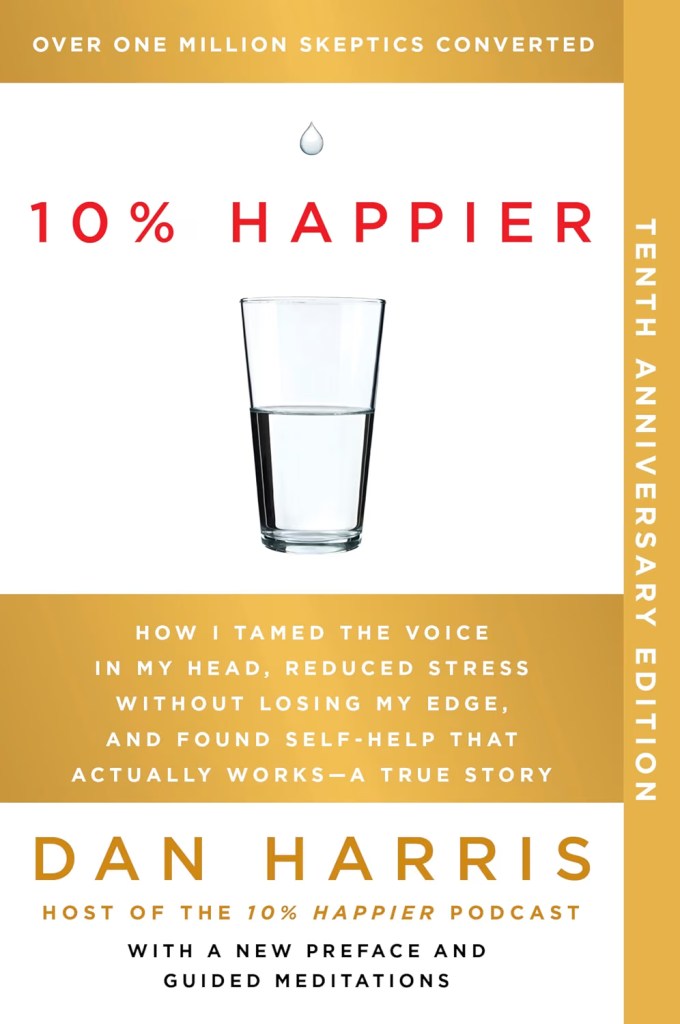
Book covers are shown for identification purposes and remain the property of their respective publishers and authors.
Note: This book review is for informational and educational purposes only. It is not medical advice and should not replace guidance from a qualified healthcare professional. Every brain injury and recovery journey is different.


Do you Love Love YOUR Brain?