
Have you ever told yourself, “I’ll be happy when things finally get better”?
Maybe you are waiting for a difficult situation to end, for your health to improve, for a problem to be resolved, or for life to feel more like it used to.
It is understandable to want those things. When life feels difficult, happiness can seem like something that belongs to the future.
But what if you could begin making room for small moments of joy today, even while some things remain uncertain?
You do not have to wait for everything to be perfect before allowing yourself to experience something good.
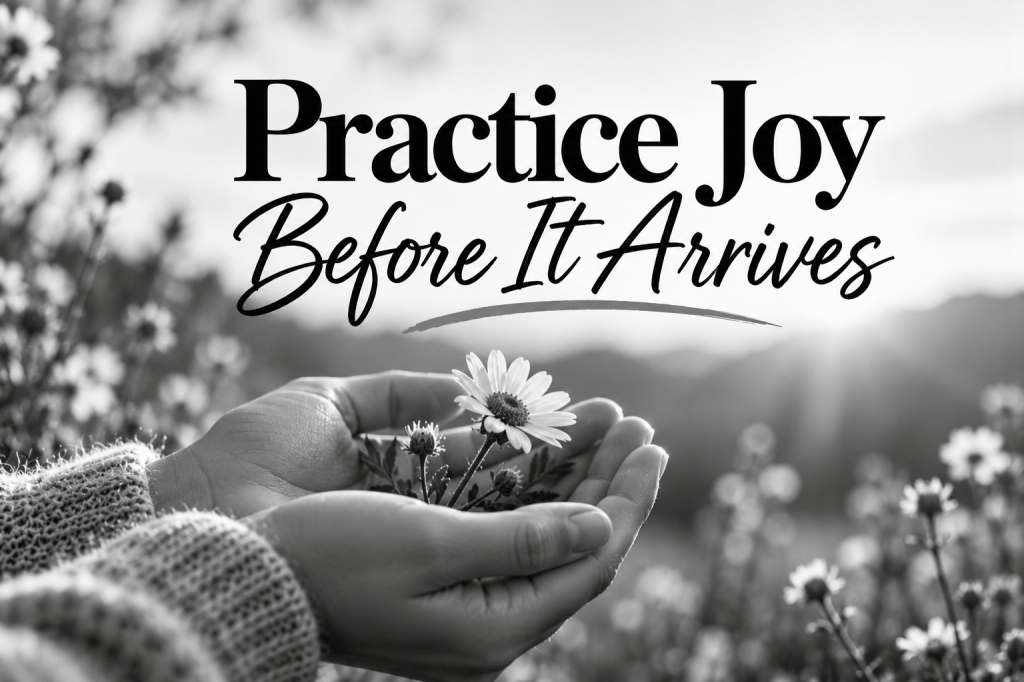
Joy can be something you practice, not just something you wait to receive.
💗 What Does It Mean to Practice Joy?
Practicing joy means intentionally making space for small, positive experiences in your everyday life.
It does not mean pretending to be happy when you are hurting. It does not mean ignoring your problems or forcing yourself to think positively all the time.
Instead, it means noticing that difficult feelings and pleasant moments can exist alongside each other.
You might be dealing with a stressful situation and still enjoy your favorite song. You might be having a challenging recovery day and still appreciate a warm drink, a kind message, or a few minutes in the sunshine.
These moments do not erase your difficulties. They simply give you opportunities to experience something pleasant while you continue navigating them.
🌱 1. Stop Waiting for the Perfect Moment
Sometimes, we attach our happiness to a future event.
“I’ll enjoy life when I feel better.”
“I’ll relax when all my responsibilities are finished.”
“I’ll feel happy when my problems are solved.”
The difficulty is that life rarely becomes completely free of challenges.
If you always postpone enjoyable experiences until everything is perfect, you may miss opportunities to appreciate what is available to you right now.
Try asking yourself:
“What is one small thing I could enjoy today, even if everything isn’t perfect?”
Perhaps you could listen to a favorite song, sit outside for a few minutes, watch something funny, or call someone who makes you smile.
You do not need to wait for a special occasion. Small moments count, too.
☀️ 2. Create a Daily Joy Practice
You do not have to wait for joy to happen by chance. You can make space for activities that you already know you enjoy.
Start with a few simple questions:
😊 What makes me smile?
🌿 What helps me feel peaceful or comfortable?
🤝 What activities make me feel connected to myself or others?
🌱 What did I enjoy before that I might like to try again?
🌞 What is one pleasant thing I can look forward to today?
Choose one small activity and add it to your day.
For example, you could:
🎵 Listen to one of your favorite songs.
🌿 Spend five minutes in a garden or near a window.
☕ Enjoy a favorite snack or drink.
📖 Read a few pages of a book.
😂 Watch a funny video.
💌 Send a kind message to a friend.
🐾 Spend time with a pet.
🌸 Notice something beautiful around you.
Keep your activity simple enough that it feels manageable.
The goal is not to create another demanding routine. It is to give yourself a regular opportunity to experience something pleasant.
🎵 3. Use Your Senses to Notice Joy
Sometimes, we move through the day without paying much attention to the small experiences around us.
You might drink your morning coffee while worrying about the day ahead. You might listen to music while thinking about everything you still need to do.
Try choosing one moment to slow down and pay attention.
If you are drinking tea, notice its warmth and taste.
If you are listening to music, pay attention to the melody or the rhythm.
If you are outside, notice the breeze, the colors of the plants, or the sound of birds.
You do not need to feel an overwhelming sense of happiness. Simply noticing a pleasant experience can be enough.
Give yourself permission to enjoy the moment you are in.
🌷 4. Build Small Moments of Joy Into Your Routine
When life is busy or difficult, enjoyable activities can easily be pushed aside.
Instead of relying on motivation to appear, try attaching a small joy practice to something you already do.
For example:
🍳 After breakfast, listen to a favorite song.
🌿 During a break, step outside or look out the window.
🌙 Before bed, think of one thing you enjoyed during the day.
🌼 After completing a difficult task, give yourself a few minutes to rest or do something pleasant.
If you live with a brain injury, fatigue, sensory sensitivity, or cognitive challenges, make these activities flexible.
Your version of joy might be quiet and simple. It might involve resting in a comfortable room rather than going somewhere busy.
You do not need to match anyone else’s idea of fun.
Choose experiences that fit your energy, abilities, and needs.
💗 5. Let Joy and Difficult Emotions Coexist
One important thing to remember is that practicing joy does not mean you must always feel positive.
You can feel sad and still enjoy a conversation with a friend.
You can feel anxious and still appreciate a beautiful sunset.
You can be frustrated with your recovery and still feel proud of one small accomplishment.
Human emotions are complicated. You do not have to eliminate sadness, anger, or fear before allowing yourself to experience happiness.
If you are having a difficult day, acknowledge it honestly.
You might say, “Today is hard, and I am allowed to do something kind for myself.”
You do not have to turn every painful experience into a positive lesson. Sometimes, you simply need support, rest, or time to process what happened.
Joy is not a requirement. It is an opportunity you can welcome when it feels available.
🧠 6. Be Patient While You Build the Habit
At first, intentionally making time for joy might feel unfamiliar.
You may struggle to remember to do it, or you may choose an activity and discover that it does not feel as enjoyable as you expected.
That is okay.
Try different activities and notice how you respond. Some things may bring you comfort, while others may no longer fit your interests or current circumstances.
You do not have to force yourself to enjoy something.
Over time, regularly noticing and making room for pleasant experiences may help you become more aware of what brings you enjoyment and meaning.
There is no guarantee that a joy practice will change your mood every time. Its purpose is to create opportunities for positive experiences, not to promise constant happiness.
📝 A Simple Joy Exercise for Today
If you would like to begin, try this short exercise.
Step 1: Name three things you enjoy.
They can be simple things, such as music, flowers, a favorite meal, a conversation, or time with your pet.
Consider your energy, schedule, surroundings, and needs.
Step 2: Choose one that feels manageable today.
Step 3: Make a little time for it.
Even a few minutes may be a reasonable starting point.
Step 4: Pay attention while you do it.
Notice what you see, hear, feel, or appreciate about the experience.
Step 5: Reflect afterward.
Ask yourself, “Would I like to make time for this again?”
You can repeat this exercise whenever it feels helpful. If you prefer, keep a small list of activities that bring you comfort or enjoyment so you have ideas ready for difficult days.
💗 Love Love Brain Note
If you are going through a difficult season, you do not have to wait until everything is better before caring for your happiness.
Start small. Listen to a song you love. Enjoy a quiet moment. Reach out to someone who makes you feel supported. Notice one pleasant thing in your surroundings.
Some days, joy may come easily. Other days, you may need rest, reassurance, or help from someone you trust.
You do not have to force a smile or pretend that life is easy.
You can acknowledge what is hard while still making room for what feels good. Give yourself permission to experience joy today, one small moment at a time. 💗
📱 Follow and Support Love Love Brain
If this message speaks to you, please support Love Love Brain by following us on social media. 💗
Stay connected for more stories, reflections, helpful information, and supportive content about brain injury, recovery, resilience, and everyday life.
Click the buttons below to follow and support us on social media:
Note: Every brain injury is different. This content is for education and support, not medical advice.


Do you Love Love YOUR Brain?