
What happens when an experience changes your life so deeply that you no longer recognize the person you used to be?
What happens when the people who love you are also trying to understand the changes?
A life-changing event can affect more than our physical circumstances. It can change our identity, relationships, priorities, and the way we see the future.
For survivors, learning to live with those changes can be a difficult and deeply personal journey.
And for family members and loved ones, accepting the person someone has become can require patience, understanding, and compassion.
When I Went Missing: God Already Had a Plan – Surviving a Life-Changing Event by Phyllis Miles, LCSW is a motivational memoir written for people who have experienced life-changing events and the loved ones supporting them.
Through her personal story and an inspirational Christian perspective, Miles offers encouragement to survivors to continue living the best lives they can. The book also aims to help loved ones accept the person a survivor has become after a major life experience.
Although the book is not specifically described as a traumatic brain injury (TBI) memoir, its themes of survival, identity, acceptance, faith, and moving forward may resonate with members of the brain injury community.
🧠 When Life Changes Everything
Sometimes, life takes a direction we never expected.
A serious accident, illness, brain injury, or another life-changing experience can completely alter someone’s daily reality.
The things that once felt easy may become challenging.
Relationships may change.
Personal goals may need to be reconsidered.
And the future may look very different from what was originally imagined.
For brain injury survivors, these changes can be especially difficult because recovery may involve changes in memory, communication, emotional regulation, energy levels, and independence.
It can take time to understand and adjust to a new reality.
A life-changing experience does not erase who you are, but it may change how you experience the world.
💗 Rediscovering Yourself After a Life-Changing Event
One of the difficult parts of surviving a major life event is figuring out who you are afterward.
You may remember the person you were before.
You may miss your previous abilities, routines, independence, or responsibilities.
You may even feel that other people expect you to return to the person you used to be.
But what if your life has changed?
What if your needs, priorities, and abilities are different now?
For people living with TBI, this process of rediscovering identity can be an important part of adjusting to life after injury.
You are still a whole person, even if some parts of your life have changed.
Your value is not determined by how much you can accomplish or how closely you resemble your former self.
You deserve the opportunity to discover who you are today.
🫂 Helping Loved Ones Understand the Changes
A life-changing event does not affect only the person who experiences it.
It also affects family members, friends, partners, and caregivers.
Loved ones may notice changes in personality, communication, emotional responses, or daily abilities.
Sometimes, they may struggle to understand why the survivor behaves differently or needs more support than before.
This can create misunderstandings, frustration, and emotional distance.
The book’s focus on helping loved ones accept the person a survivor has become is particularly meaningful for families affected by brain injury.
Acceptance does not mean pretending that nothing has changed.
It means recognizing the survivor’s current experiences and needs instead of constantly comparing them with the person they were before.
Sometimes, the most meaningful support begins with listening, learning, and allowing someone to be understood without judgment.
🌱 Learning to Move Forward
Moving forward after a life-changing event does not mean forgetting what happened.
It does not mean pretending that everything is easy.
And it certainly does not mean that you must feel positive every day.
For survivors, moving forward may involve learning new routines, adjusting expectations, asking for help, and discovering different ways to enjoy life.
Some days may bring progress.
Other days may bring frustration or exhaustion.
Both are part of a personal journey.
The book’s motivational message encourages survivors to continue living the best lives they can.
For the Love Love Brain community, this is an important reminder that a meaningful life is still possible, even when the path looks different from what we originally imagined.
🙏 Finding Strength Through Faith
Faith can be an important source of comfort for people facing difficult experiences.
For some, believing that God has a plan provides hope when the future feels uncertain.
Prayer, spiritual reflection, and a relationship with God may help individuals find comfort, purpose, and strength during challenging seasons.
The Christian perspective in When I Went Missing offers readers an opportunity to reflect on faith as part of surviving and moving forward.
Everyone’s spiritual journey is different.
Some people find strength through religion, while others find support through family, friendships, counseling, community, or personal reflection.
There is no requirement to follow a particular belief system to deserve hope and support.
And having difficult emotions or questioning your faith does not mean you are failing.
🌸 Acceptance Is Part of the Journey
One of the important messages reflected in the book’s description is the need for loved ones to accept the person a survivor has become.
This is worth thinking about.
Sometimes, family members focus so much on who someone used to be that they struggle to recognize who that person is today.
They may expect the survivor to return to old routines, abilities, or responsibilities.
But recovery and adjustment do not always mean returning to the past.
For someone with a brain injury, acceptance may mean understanding that certain activities require more time, that rest is necessary, or that additional support may be needed.
For loved ones, it may mean learning to adjust expectations and finding new ways to connect.
Acceptance is not giving up on someone.
It is making room for the person they are now.
💪 You Are More Than What Happened to You
A life-changing event can become a major part of someone’s story.
But it does not have to become their entire identity.
You are more than an accident.
You are more than a diagnosis.
You are more than the challenges you face.
You still have interests, relationships, dreams, and experiences that make you who you are.
For brain injury survivors, remembering this can be important when life feels defined by appointments, symptoms, limitations, and recovery goals.
You deserve to enjoy life beyond the injury.
You deserve to explore new possibilities.
And you deserve to be recognized for everything you are, not only what you have experienced.
🌷 Living the Best Life You Can Today
Sometimes, we spend so much time thinking about the life we had before that we forget to notice the possibilities available to us today.
Living your best life does not have to mean achieving everything you once planned.
It may mean appreciating a quiet morning.
Reconnecting with someone you love.
Discovering a new interest.
Celebrating a small accomplishment.
Or simply allowing yourself to rest without feeling guilty.
For survivors, progress can look different from one person to another.
You do not need to compare your recovery with someone else’s.
You can take things one day at a time and find meaning in the life you are building now.
💗 Love Love Brain Thoughts
When I Went Missing: God Already Had a Plan – Surviving a Life-Changing Event by Phyllis Miles, LCSW, is a motivational memoir that offers encouragement to people who have experienced major life changes. It also addresses the importance of helping loved ones accept the person a survivor has become. With an inspirational Christian perspective, the book encourages readers to continue living the best lives they can.
For the Love Love Brain community, we find a meaningful connection in its message about identity, acceptance, and moving forward. After a traumatic brain injury, survivors may experience changes that affect how they see themselves and how others relate to them. Learning to adjust can take time, and families may need to learn new ways of understanding and supporting one another.
We also appreciate the reminder that a survivor’s life does not end with a life-changing event. The journey may look different, and there may be challenges along the way, but people still deserve opportunities to experience joy, connection, purpose, and personal growth. Whether someone finds strength through faith, family, or other sources of support, their experiences deserve compassion and understanding.
Most importantly, survivors should not feel pressured to become the person they were before. They deserve to be accepted for who they are today.
💬 We’d Love to Hear From You
Has a life-changing experience changed the way you see yourself?
Have you struggled with feeling understood by the people around you?
What has helped you accept the changes in your life?
For family members and caregivers, what have you learned about supporting someone whose life has changed?
And has faith played a role in your journey?
We’d love to hear your thoughts and experiences.
📖 Where to Find the Book
When I Went Missing: God Already Had a Plan – Surviving a Life-Changing Event by Phyllis Miles, LCSW, is available in paperback through Barnes & Noble.
The book is intended for survivors of life-changing experiences and their loved ones, with an encouraging message presented from a Christian perspective.
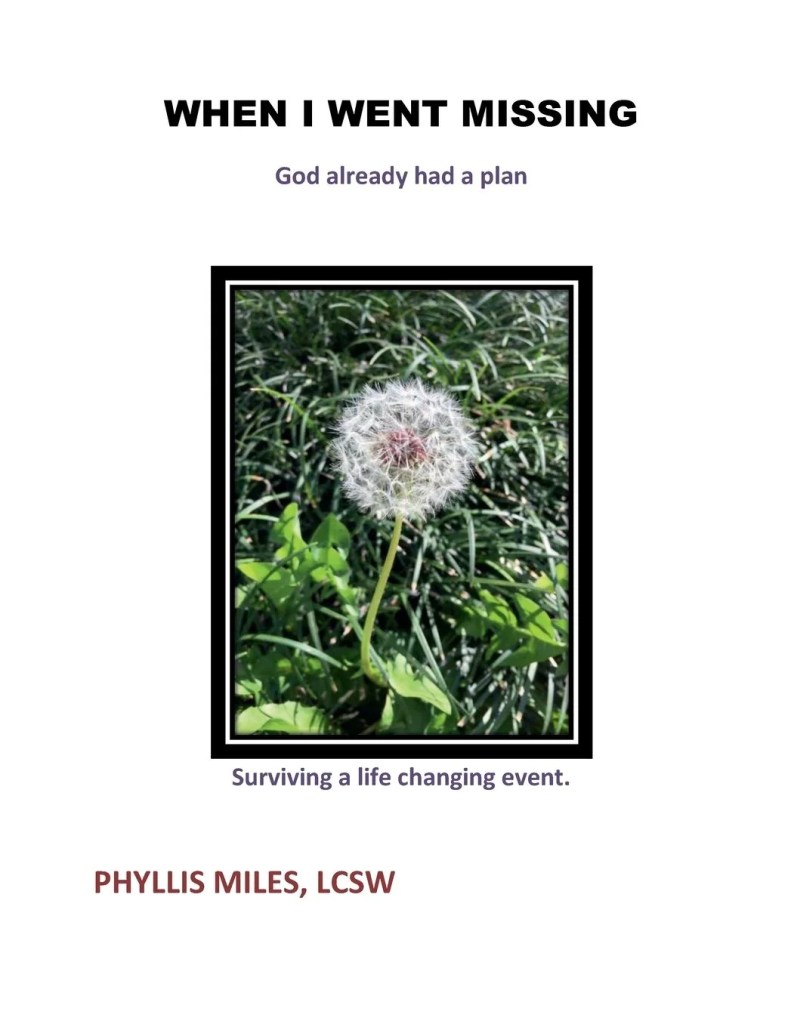
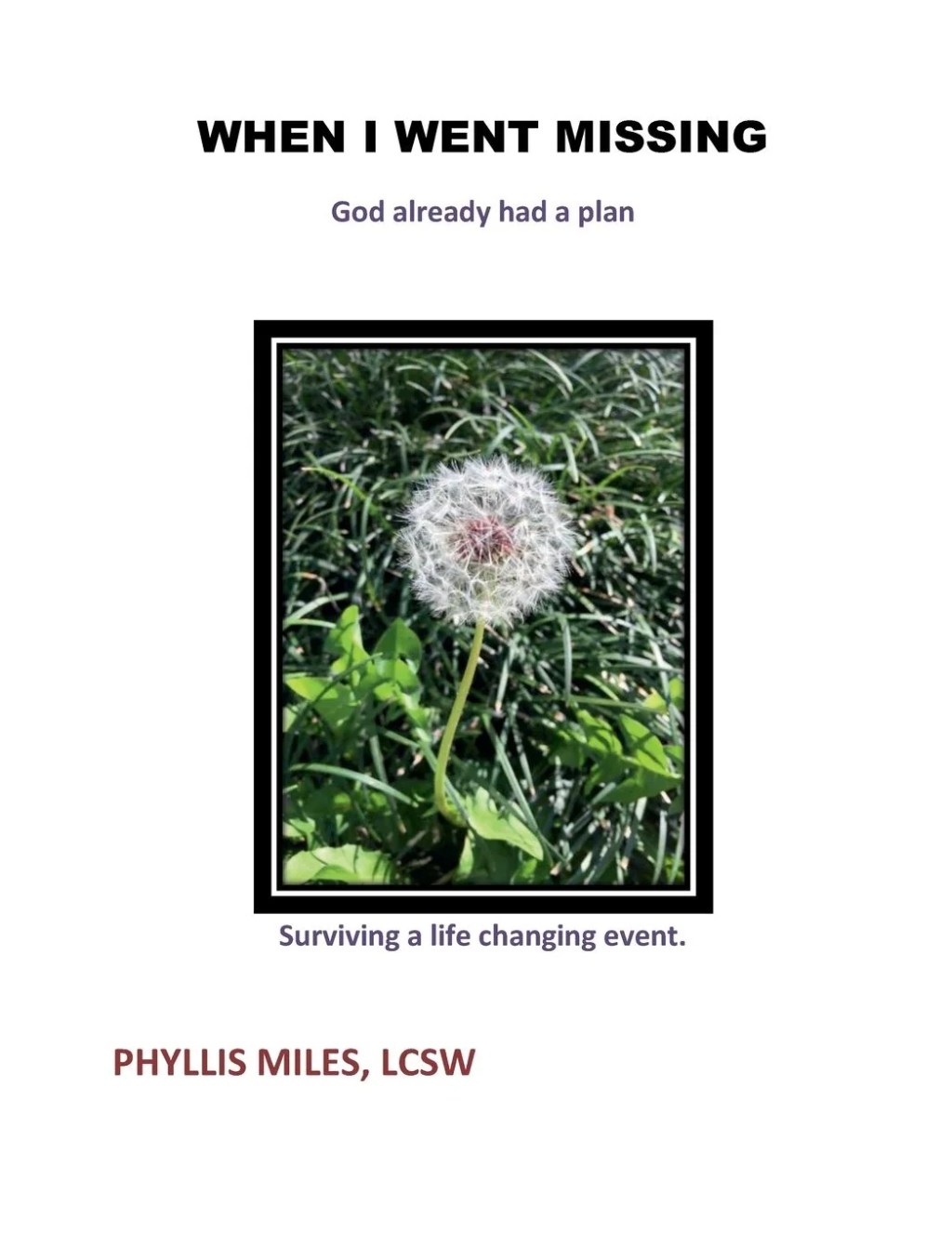
Book covers are shown for identification purposes and remain the property of their respective publishers and authors.
Note: This book review is for informational and educational purposes only. It is not medical advice and should not replace guidance from a qualified healthcare professional. Every brain injury and recovery journey is different.


Do you Love Love YOUR Brain?