
Living with a brain injury can mean learning to recognize when your brain needs a break. Sometimes, the signs of mental fatigue begin subtly. You might have trouble finding words, become sensitive to noise, or notice that reading takes more effort than usual.
Other times, your symptoms may become more intense, making it difficult to continue everyday activities.
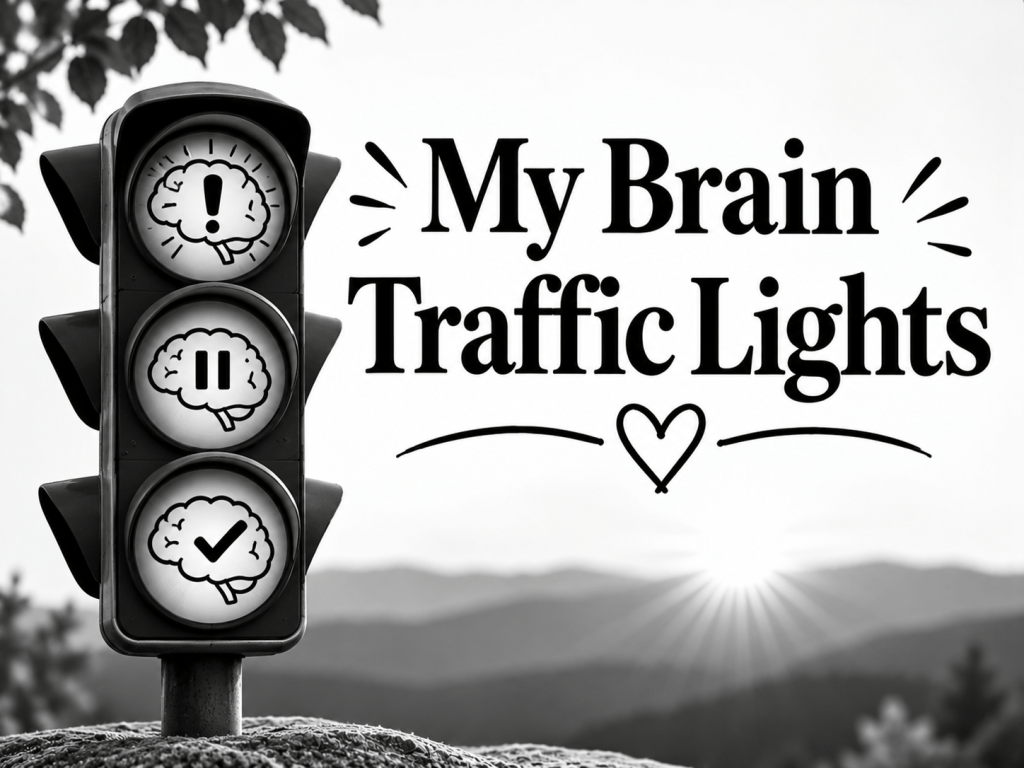
One way to become more aware of these changes is to use a simple system called My Brain Traffic Lights. Just like traffic lights guide us on the road, this system uses three colors to help identify when to slow down, take a break, or stop.
🟢 GREEN: Slow Down
Green signals are reminders to slow your pace and pay attention to what your brain is telling you.
You may notice:
💬 Trouble finding words.
👀 Heavy eyes or blurry focus.
🔊 Noises becoming annoying.
😟 Slight frustration or anxiety.
📖 Having to read things twice.
💗 What should you do?
Slow down. Do one thing at a time.
You don’t have to rush through your activities. Give yourself permission to work at a comfortable pace and avoid taking on too many tasks at once.
🟡 YELLOW: Take a Break
Yellow signals suggest that your brain may need more rest and attention.
Watch for these signs:
🧠 Your mind goes blank.
🤕 Headache or mild nausea.
😤 Becoming easily irritated.
🚶 Bumping into things.
😵 Feeling disconnected.
💗 What should you do?
Stop your current activity and rest your eyes for 10 minutes without screens.
Find a comfortable place where you can take a break without unnecessary distractions. Give yourself time to relax instead of immediately returning to your tasks.
🔴 RED: Stop Now
Red signals are more serious and should not be ignored.
These may include:
🗣️ Being unable to follow conversations.
😭 Uncontrollable crying or panic.
🤢 Severe dizziness or vomiting.
🚨 Losing balance or coordination.
🧠 Being unable to start simple tasks.
💗 What should you do?
Stop what you are doing. Find a safe, dark, quiet place and get support.
Do not force yourself to continue an activity when you are experiencing these symptoms.
🚨 Important Medical Warning
Sudden or new trouble speaking, a severe headache, or loss of balance may be signs of a medical emergency.
Do not automatically assume these symptoms are caused by brain fatigue. Seek emergency medical care.
💗 Learn to Recognize Your Brain’s Signals
The Brain Traffic Lights system is a simple way to remind yourself to pay attention to changes in how you feel.
Not every day will be the same. You may have days when you can accomplish more and other days when you need additional rest.
The important thing is to recognize your limits and respond to your needs.
You don’t have to wait until you are completely exhausted before taking a break. Slowing down, resting, and asking for support are all important ways to take care of yourself.
🌸 Love Love Brain Thoughts
Your brain deserves patience, understanding, and care.
Sometimes, we push ourselves because we want to finish a task, meet a deadline, or keep up with everyday responsibilities. But learning when to slow down is just as important as knowing when to keep going.
Think of your brain traffic lights as a reminder:
🟢 Green: Slow down.
🟡 Yellow: Take a break.
🔴 Red: Stop and get support.
Remember, resting is not giving up. Listening to your body and recognizing when something isn’t right are important parts of caring for yourself.
Better Brain, Brighter Being. 🧠💗
💬 We’d Love to Hear From You
Have you learned to recognize the signs that your brain needs a break?
What symptoms tell you that it’s time to slow down, rest, or stop?
Share your experiences in the comments. Your story may help another brain injury survivor recognize their own warning signs. 💗
📱 Follow and Support Love Love Brain
If this message speaks to you, please support Love Love Brain by following us on social media. 💗
Stay connected for more stories, reflections, helpful information, and supportive content about brain injury, recovery, resilience, and everyday life.
Click the buttons below to follow and support us on social media:
Note: Every brain injury is different. This content is for education and support, not medical advice. The Brain Traffic Lights system is an awareness tool, not a medical diagnostic system. New or sudden neurological symptoms require prompt medical evaluation.


Do you Love Love YOUR Brain?