
Caregivers play an essential role in the lives of people recovering from a brain injury, stroke, or other health conditions.
They often provide physical care, emotional support, encouragement, and advocacy – sometimes while balancing work, family, and their own responsibilities.
Although most people have good intentions, certain comments can unintentionally make caregivers feel unseen, overwhelmed, or discouraged.
Choosing thoughtful words can make a meaningful difference.
💭 “You Look Tired.”
Many caregivers already know they’re exhausted.
Instead of pointing out how tired they look, try saying:
💜 “You’ve been doing so much. How can I help?”
Offering support is often more comforting than commenting on their appearance.
🤝 “Let Me Know If You Need Anything.”
While this sounds kind, caregivers may not know what to ask for – or may feel uncomfortable asking.
Instead, offer something specific.
For example:
🍲 “I’d love to bring dinner this week.”
🛒 “I’m going to the grocery store. Can I pick up anything for you?”
🚗 “Can I help with transportation or errands?”
Specific offers are often easier to accept.
⏳ “I Don’t Know How You Do It.”
Although intended as a compliment, this can remind caregivers just how overwhelming their responsibilities are.
Instead, try saying:
💜 “I appreciate everything you’re doing.”
❤️ “You’re making a difference.”
Simple words of appreciation can provide encouragement during difficult days.
⚖️ “Everything Happens for a Reason.”
When someone is navigating the challenges of caregiving, this phrase may not bring comfort.
Instead, acknowledge their experience by saying:
🤝 “I’m here for you.”
💜 “This must be really difficult.”
Sometimes the most meaningful support is simply listening without trying to explain why something happened.
❤️ “You Need to Take Better Care of Yourself.”
Self-care is important, but many caregivers already know this and may struggle to find the time.
Instead of offering advice, offer practical help.
You might say:
☕ “Can I stay with your loved one while you take a break?”
🌿 “Let’s go for a short walk together.”
Helping create opportunities for rest can be far more supportive.
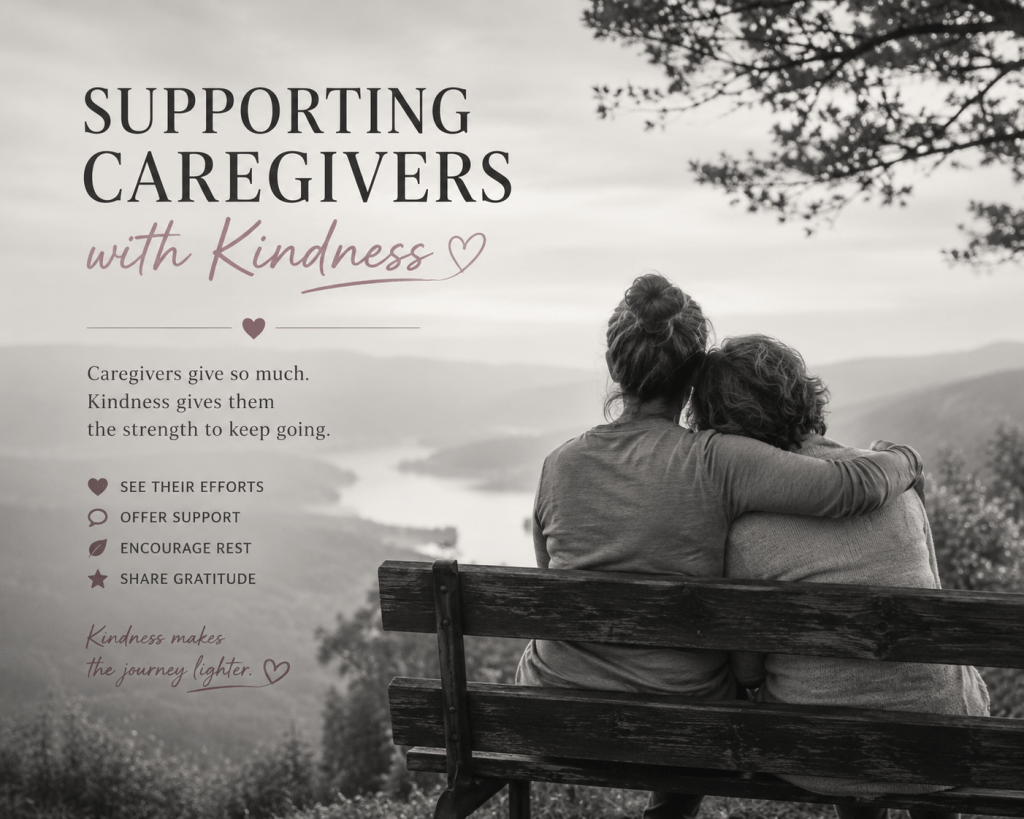
🌱 What Caregivers Need Most
Sometimes the greatest gift isn’t finding the perfect words.
It’s showing up with kindness, patience, and understanding.
Caregivers often appreciate:
💜 A listening ear
🤝 Practical help
😊 Encouragement
⏰ Respect for their time
❤️ A simple “Thank you”
Small acts of kindness can make a lasting impact.
✨ Final Thoughts
Caregiving is a journey filled with love, dedication, and challenges.
The words we choose can either add to a caregiver’s burden or help lighten it.
Before speaking, ask yourself:
“Will my words bring comfort, encouragement, or understanding?”
A little compassion can go a long way.


Do you Love Love YOUR Brain?