
What if our lives are shaped not only by what happens to us, but also by the choices we make?
Liaofan’s Four Lessons is a classic Chinese text centered on self-reflection, moral conduct, personal responsibility, and the possibility of changing one’s course through conscious action.
Written by Yuan Liaofan and translated here by Matthew Allen, the work encourages readers to examine their behavior, intentions, habits, and deeds.
For someone living with brain injury, its emphasis on reflection can offer a gentle invitation to focus on what remains within our control.
🌱 A Life Can Change
Sometimes we look at our circumstances and think:
“This is just how things are now.”
After brain injury, that feeling can become especially strong.
We may believe that because something changed, nothing else can change.
But recovery often teaches us otherwise.
Life can evolve.
Our habits can change.
Our responses can change.
Our priorities can change.
🪞 Looking Honestly at Ourselves
Self-reflection isn’t about criticizing ourselves.
It is about becoming aware.
What choices are helping me?
What choices are hurting me?
What habits make my life more difficult?
What kind of person do I want to become?
These questions can be powerful.
❤️ Small Deeds Matter
The philosophy presented in Liaofan’s Four Lessons places emphasis on everyday conduct and the cumulative effect of our choices.
That can be a meaningful reminder.
We don’t have to make enormous changes overnight.
We can begin with one small action.
One kind word.
One apology.
One act of patience.
One decision to respond differently.
🧠 Recovery Also Involves Choice
There are many things we cannot control after brain injury.
We cannot control everything about our symptoms.
We cannot control how quickly recovery happens.
We cannot control other people’s understanding.
But we can sometimes choose how we respond.
We can choose to ask for help.
We can choose to rest.
We can choose to advocate for ourselves.
We can choose to practice patience.
🌻 Compassion Belongs in Self-Reflection
Self-reflection becomes harmful when it turns into self-punishment.
The goal isn’t:
“Everything is my fault.”
The goal is:
“What can I learn from this?”
That difference matters.
🕊️ You Can Begin Again
One of the most hopeful ideas we can take from reflective traditions is that today doesn’t have to be identical to yesterday.
You can make a different choice.
You can apologize.
You can change direction.
You can start again.
💗 Love Love Brain Thoughts
Brain injury can make us feel like our lives have been permanently defined by one event.
But your story is still unfolding.
You can continue learning.
You can continue making choices.
You can continue becoming.
Some things are outside your control.
Others are not.
Focus your energy where it can make a difference.
One choice at a time.
One day at a time.
💬 We’d Love to Hear From You
What is one small change you are making in your life?
What lesson has changed the way you see yourself?
What daily action helps you feel more aligned with the person you want to become?
📖 Where to Find the Book
Look for Liaofan’s Four Lessons by Yuan Liaofan in current editions and translations through major booksellers. The translation and edition should be checked before purchase because multiple English versions exist.
🛒 Get the Book on Amazon
Love Love Brain may earn a small commission from qualifying purchases made through this link. This does not affect the price you pay.
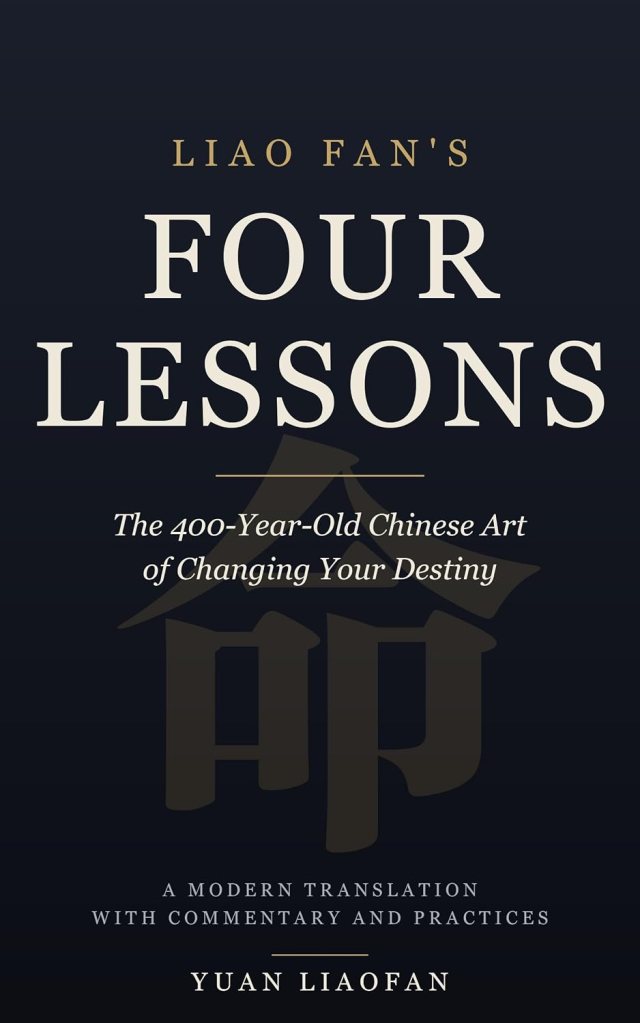
Book cover belongs to the publisher and is displayed for identification and review purposes.
Note: This book review is for educational and reflective purposes only and is not medical advice.


Do you Love Love YOUR Brain?