
A brain injury can change a person’s life in an instant.
But sometimes, the changes don’t stop with the person who was injured.
A traumatic brain injury can affect marriages, families, friendships, finances, work, communication, and the way everyone understands the future.
Where Is the Mango Princess? by Cathy Crimmins offers a deeply personal look at these changes through the experience of a wife whose husband, Alan, suffered a traumatic brain injury after a boating accident.
What makes this book especially meaningful is that it tells the story from the caregiver’s perspective.
It gives readers a look at what happens when someone you love suddenly becomes a different version of themselves, while you are also trying to understand what happened, manage everyday life, and hold on to hope.
📖 When Life Changes in an Instant
Cathy’s husband, Alan, suffered a severe brain injury after a boating accident.
Before the accident, they had a life together that felt familiar.
Afterward, almost everything changed.
Alan’s injury affected his personality, memory, behavior, communication, and ability to function independently.
Cathy suddenly found herself navigating a world she had never expected to enter.
She wasn’t only caring for someone with a brain injury.
She was trying to understand what had happened to her husband.
And she was trying to understand what their marriage would look like now.
💔 The Person You Love Is Still There
One of the most difficult parts of brain injury can be recognizing that the person you love is still there, while also realizing that some things about them have changed.
A survivor may look familiar.
Their voice may sound familiar.
You may recognize their face immediately.
But their behavior, emotions, judgment, memory, or personality may feel completely different.
For families, this can create a complicated kind of grief.
You are grieving what has changed while still loving the person who remains.
Cathy’s story gives readers a window into that emotional complexity.
🧠 Understanding the Invisible Changes
Brain injury isn’t always easy to understand from the outside.
Someone may appear physically healthy while experiencing major changes in the way their brain works.
They may struggle with:
🧠 Memory
💬 Communication
❤️ Emotional regulation
⚖️ Judgment
🤝 Social behavior
🌱 Independence
These changes can be confusing for everyone.
The survivor may not understand why other people are reacting differently.
The caregiver may not understand why the survivor is behaving differently.
And both may become frustrated.
🤝 The Caregiver Has a Story Too
Brain injury stories often focus on the survivor.
And understandably so.
But caregivers are also living through the injury.
They may suddenly become responsible for:
🏡 Household decisions
💰 Financial responsibilities
🏥 Medical appointments
📋 Rehabilitation
🚗 Transportation
❤️ Emotional support
At the same time, they may be experiencing their own grief, exhaustion, fear, and uncertainty.
Where Is the Mango Princess? helps bring that caregiver experience into the conversation.
🌱 Learning to Live With Uncertainty
One of the hardest things after a serious brain injury is not knowing exactly what the future will look like.
Will the survivor recover?
How much will change?
Will they be able to return to work?
Will the relationship ever feel the same?
How much independence will return?
These questions can be incredibly difficult.
Recovery doesn’t always provide immediate answers.
Families often have to learn how to live with uncertainty while continuing to move forward.
❤️ Marriage After Brain Injury
A brain injury can change a marriage in ways that are difficult to explain.
Partners may have to adjust to new roles.
The person who once shared responsibilities may now need significant support.
Communication can become harder.
Emotional connection can feel different.
The relationship may need to be rebuilt around circumstances neither person chose.
Cathy’s experience reminds us that caregiving and marriage can become deeply intertwined after brain injury.
Love may still be there.
But the way that love is expressed may need to change.
💭 Grief Can Exist Alongside Love
Caregivers can feel grief even when the person they love is still alive.
This can be one of the hardest emotions to understand.
You can love someone deeply and still miss the person they used to be.
You can be grateful they survived and still grieve what was lost.
You can celebrate progress and still have difficult days.
These emotions don’t cancel each other out.
They can exist together.
🌻 Recovery Is a Journey for the Whole Family
Brain injury recovery doesn’t happen only in rehabilitation centers.
It happens at home.
At the dinner table.
During appointments.
In conversations.
During arguments.
In quiet moments.
It happens when families learn new routines and new ways of communicating.
Everyone is adapting.
Everyone is learning.
And everyone may need support.
💜 Finding Humor in a Difficult Journey
One of the qualities that makes Where Is the Mango Princess? memorable is the author’s ability to tell a difficult story with honesty while also allowing room for humor and humanity.
Life after brain injury can be painful and overwhelming.
But there can still be moments that make us laugh.
There can still be absurd situations.
There can still be affection.
There can still be connection.
Sometimes humor becomes one of the ways families survive difficult experiences.
🌱 Learning a New Normal
After a major brain injury, the goal isn’t always to return to exactly what life was before.
Sometimes families have to create a new normal.
That can mean:
Trying different routines.
Changing expectations.
Learning new communication strategies.
Accepting help.
Finding new ways to spend time together.
Recognizing small victories.
A new normal may not be the life you originally planned.
But it can still contain meaning.
🫶 Caregivers Need Care Too
One of the most important lessons for caregivers is that they cannot pour endlessly from an empty cup.
Caregivers need:
❤️ Rest
🤝 Support
💬 Someone to talk to
🌱 Time for themselves
🧠 Understanding
It is okay to admit that caregiving is hard.
It is okay to feel exhausted.
It is okay to have complicated emotions.
And it is okay to ask for help.
💗 Love Love Brain Thoughts
Where Is the Mango Princess? reminds us that when a brain injury happens, the whole family can experience the injury in different ways.
The survivor is adjusting to a changed brain.
The caregiver is adjusting to a changed relationship.
The family is adjusting to a changed future.
There can be grief.
There can be frustration.
There can be uncertainty.
But there can also be love.
Humor.
Connection.
Growth.
And hope.
For caregivers who sometimes feel invisible, this book can be a reminder that your story matters too.
You are not simply the person standing beside the survivor.
You are also living through something.
And you deserve support, understanding, and space to process your own experience.
For survivors, the book may also help explain what their loved ones may be experiencing as they adjust alongside them.
Brain injury changes lives.
But it doesn’t erase the possibility of connection.
Sometimes recovery means learning how to build a new life together.
💬 We’d Love to Hear From You
Are you a caregiver supporting someone after a brain injury?
Have you experienced changes in your relationship after TBI?
What helped you and your loved one adjust to a new normal?
Share your experience in the comments.
Your story may help another survivor or caregiver feel less alone.
📖 Where to Find the Book
If you’d like to learn more about Where Is the Mango Princess? or purchase a copy, you can find it through Amazon.
🛒 Get the Book on Amazon
Love Love Brain may earn a small commission from qualifying purchases made through this link. This does not affect the price you pay.
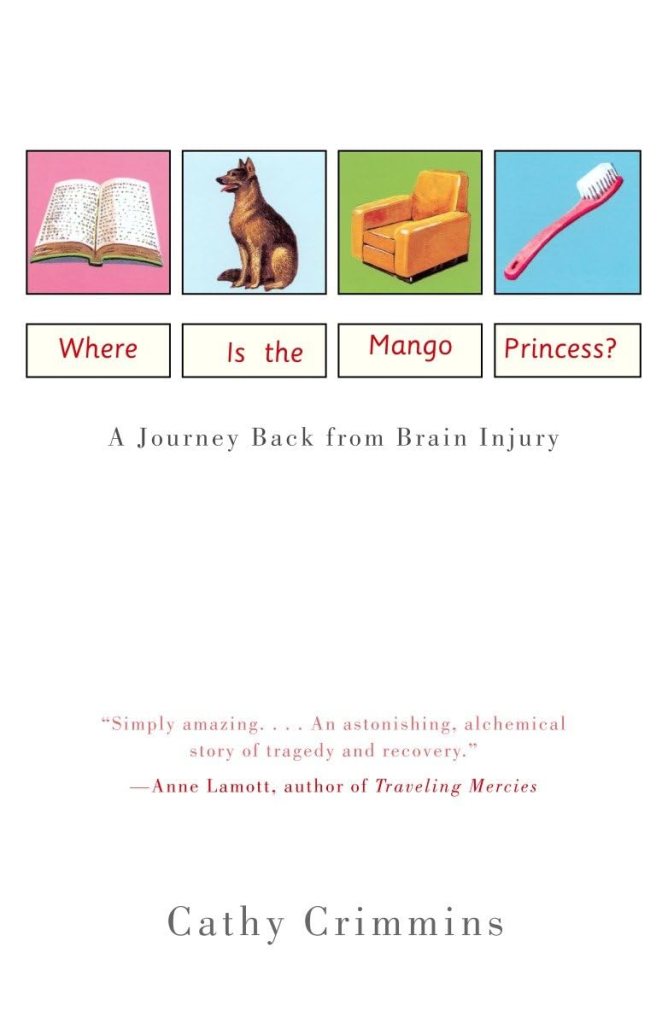
Book cover belongs to the publisher and is displayed for identification and review purposes.


Do you Love Love YOUR Brain?