
A concussion can happen in a moment.
A fall.
A collision.
A car accident.
A sports injury.
And sometimes, life changes even when there is no obvious injury on the outside.
You may feel dizzy.
Exhausted.
Foggy.
Forgetful.
Sensitive to light or sound.
Or simply unlike yourself.
Concussion Rescue by Dr. Kabran Chapek takes a broad look at traumatic brain injury and concussion recovery.
Published in 2020, the 272-page book presents the assessment and treatment approaches Chapek uses at the Amen Clinics and discusses areas including diet, supplements, exercise, sleep, cognitive exercises, and brain imaging.
📖 When the Injury Doesn’t Look Serious
One of the most difficult things about concussion is that it may not look dramatic.
There may be no cast.
No visible wound.
No obvious physical disability.
But inside the brain, something may have changed.
That can make it difficult for survivors to explain why they don’t feel well.
🧠 Concussion Can Affect More Than Memory
People often associate concussion with memory problems.
But symptoms can involve many areas.
🧠 Concentration
💭 Thinking
⚡ Energy
😴 Sleep
👀 Sensory processing
🤕 Headaches
❤️ Mood
🏃 Physical activity
When several symptoms happen at once, ordinary life can become exhausting.
💔 The Frustration of Not Feeling Like Yourself
You may think:
“Why can’t I concentrate?”
“Why am I so tired?”
“Why does noise bother me?”
“Why am I not recovering as quickly as I expected?”
These questions can become part of the emotional burden of concussion.
The book attempts to provide a structured approach for people trying to understand what may be contributing to their symptoms and what areas of health may need attention.
🔎 Assessment Matters
One theme in the book is the importance of assessment.
Chapek discusses tools such as cognitive testing, medical imaging, and laboratory testing as part of the approach described by the Amen Clinics.
For survivors, this highlights an important principle:
Persistent symptoms deserve attention.
You shouldn’t feel that you simply have to live with unexplained symptoms without discussing them with an appropriate healthcare professional.
😴 Sleep Is Part of Brain Health
Sleep can become complicated after concussion.
You may sleep too much.
You may struggle to fall asleep.
You may wake frequently.
Or you may wake up feeling as though you never really rested.
The book places significant emphasis on addressing sleep as part of brain recovery.
That makes sense from a practical perspective.
When your brain is already working hard, poor sleep can make the day even harder.
🥗 Nutrition and the Brain
Concussion Rescue also discusses diet and supplements as part of its approach to brain recovery.
This can encourage readers to think about nutrition as part of overall health.
But this is an area where caution is important.
Supplements are not automatically safe for everyone.
They can interact with medications or medical conditions.
And no supplement should be assumed to cure TBI.
Talk with your healthcare professional before starting a new supplement or making major dietary changes.
🏃 Movement and Exercise
The book discusses exercise and how different forms of physical activity may be incorporated into recovery.
For many survivors, returning to activity is not simply about pushing harder.
It can involve learning what level of activity your brain and body can tolerate.
Too much can leave you exhausted.
Too little may also affect overall wellbeing.
The right approach depends on the individual.
🧠 Cognitive Exercises
Chapek also discusses brain exercises and games intended to address difficulties with focus and concentration.
For someone struggling with cognitive symptoms, the idea of actively working on these skills can feel empowering.
But cognitive rehabilitation should be individualized.
A person’s symptoms, injury, and functional needs are different.
⏸️ Recovery Is Not a Race
One important message for anyone reading a book about concussion recovery is this:
Do not turn recovery into another competition.
Someone else may recover faster.
Someone else may return to sports sooner.
Someone else may return to work before you.
That doesn’t mean you are doing something wrong.
Your brain has its own recovery process.
💭 Hope and Realistic Expectations
Books about recovery can give people hope.
That is valuable.
But hope should not become pressure.
If a particular protocol doesn’t work for you, that doesn’t mean you failed.
If your recovery takes longer than expected, that doesn’t mean you didn’t try hard enough.
If your symptoms continue, you deserve appropriate medical evaluation and support.
⚠️ Be a Critical Reader
Concussion Rescue presents specific protocols and approaches, including nutritional supplements, functional brain imaging, and other interventions.
Readers should distinguish between the author’s clinical approach and treatments supported by broad medical consensus.
Brain injury research continues to evolve.
Not every proposed treatment works for every person.
Being hopeful and being cautious can exist together.
🌱 Recovery Can Have Many Pieces
Recovery may include:
🩺 Medical care
😴 Better sleep
🥗 Healthy nutrition
🏃 Appropriate activity
🧠 Cognitive rehabilitation
❤️ Emotional support
🤝 Family support
⏸️ Pacing and rest
There may not be one magic answer.
Sometimes recovery involves putting many small pieces together.
❤️ You Deserve to Be Heard
If you continue to experience symptoms after a concussion, you deserve to be taken seriously.
You deserve to ask questions.
You deserve to understand your options.
You deserve to have your concerns discussed.
And you deserve care that considers you, not just your diagnosis.
🌻 Recovery Can Be Individual
There is no universal concussion recovery timeline.
There is no single treatment that works for everyone.
There is no single definition of “normal.”
Your recovery should be based on your individual needs and guided by appropriate professional care.
💗 Love Love Brain Thoughts
Concussion Rescue offers a comprehensive look at concussion and TBI recovery from Dr. Kabran Chapek’s perspective, covering assessment, sleep, exercise, nutrition, supplements, cognitive exercises, and other interventions used in his clinical approach.
For the Love Love Brain community, the most valuable part may be the reminder that concussion symptoms deserve attention.
You don’t have to dismiss what you’re feeling simply because your injury isn’t visible.
You can ask questions.
You can keep track of symptoms.
You can seek appropriate care.
You can learn about different approaches.
And you can make informed decisions with your healthcare team.
At the same time, we believe in hope with discernment.
Not every treatment is right for every person.
Not every claim has the same level of scientific evidence.
And recovery should never become a reason to blame yourself.
You are not your symptoms.
You are a person recovering from an injury.
Give yourself patience.
Give yourself support.
And give your brain time.
💬 We’d Love to Hear From You
What symptom after concussion has been the hardest for you?
Did sleep, fatigue, concentration, or sensory sensitivity affect your recovery?
What helped you feel more informed about your brain injury?
Share your experience in the comments.
Your story may help another survivor feel less alone.
📖 Where to Find the Book
Concussion Rescue: A Comprehensive Program to Heal Traumatic Brain Injury was published by Citadel on January 28, 2020, and the paperback edition is 272 pages.
🛒 Get the Book on Amazon
Love Love Brain may earn a small commission from qualifying purchases made through this link. This does not affect the price you pay.
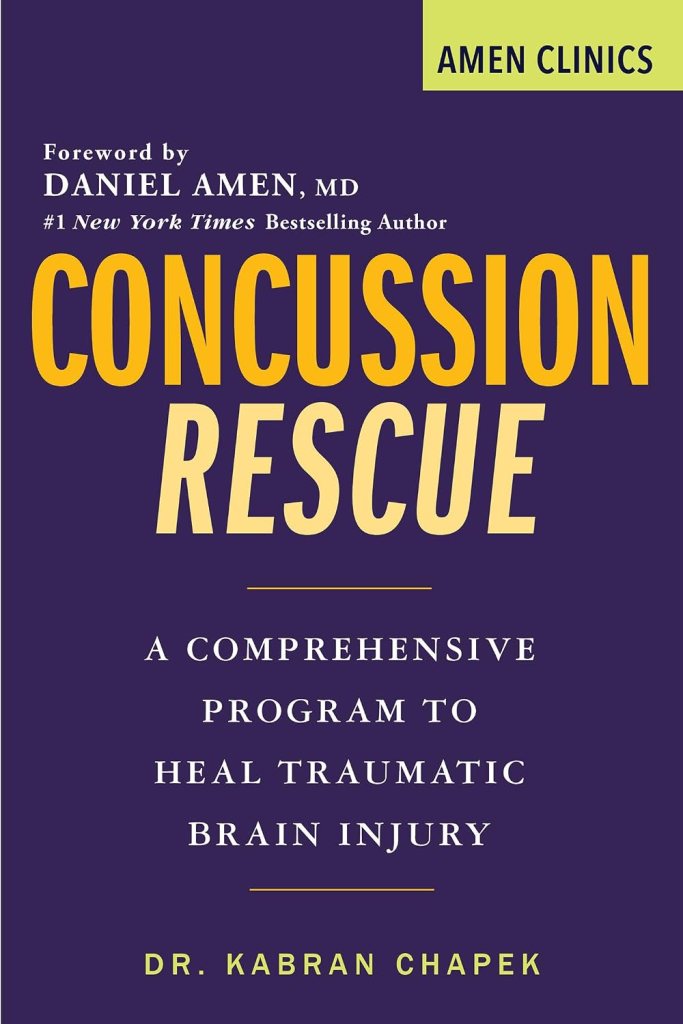
Book cover belongs to the publisher and is displayed for identification and review purposes.
Note: This book review is for informational and educational purposes only. It is not medical advice and should not replace guidance from a qualified healthcare professional. Every brain injury and recovery journey is different.


Do you Love Love YOUR Brain?