
Have you ever felt something in your body that seemed connected to an experience you could not easily explain?
Maybe a stressful situation leaves you feeling tense long after it has ended.
Maybe certain sounds, places, or conversations bring up emotions you did not expect.
Or maybe you have experienced something overwhelming and found it difficult to explain how it changed the way you feel, think, or experience the world.
Our experiences can affect us in ways that are not always easy to understand.
For people living with a traumatic brain injury (TBI), the emotional journey can be especially complicated. Alongside physical and cognitive changes, some survivors also navigate anxiety, grief, difficult memories, or changes in their sense of safety and identity.
The Body Keeps the Score: Brain, Mind, and Body in the Healing of Trauma by Bessel van der Kolk, MD, explores how traumatic experiences can affect the mind, brain, body, memory, and relationships.
First published in 2014, the book draws on the author’s work as a psychiatrist and researcher to examine trauma and different approaches to treatment and recovery.
Although this is not specifically a brain injury book, its discussion of trauma and the relationship between emotional experiences and the body may offer useful perspectives for some readers.
It is important to remember that trauma and brain injury are not the same thing, even though they can sometimes occur together. Every survivor’s experience is different.
🧠 Understanding the Connection Between the Brain and Body
We often think of emotional experiences and physical sensations as separate things.
But think about what happens when you feel anxious.
Your heart may beat faster.
Your muscles may tense.
Your breathing may change.
You may find it difficult to concentrate or relax.
These experiences remind us that emotions involve both the mind and the body.
Van der Kolk explores how traumatic experiences can influence the body’s responses to stress and how some people continue to feel unsafe even after a threatening situation has ended.
For someone living with a brain injury, this discussion may encourage greater awareness of how stress affects everyday life.
Perhaps you notice that a demanding day leaves you tense and exhausted.
Perhaps a stressful conversation makes it difficult to settle down afterward.
Recognizing these responses may help you identify when you need rest, reassurance, or additional support.
However, physical symptoms after brain injury can have many causes. They should not automatically be attributed to trauma.
💭 When Your Body Still Feels on Alert
After a frightening or overwhelming experience, some people continue to feel as though danger might be just around the corner.
They may become easily startled.
They may struggle to relax.
They may feel anxious in situations that remind them of what happened.
For people experiencing post-traumatic stress, these reactions can be exhausting.
Brain injury can also change how someone responds to stress, although the reasons vary from person to person.
Imagine trying to navigate a busy environment when you are already managing fatigue, sensory sensitivity, or difficulty concentrating.
Even an ordinary day can become overwhelming.
Learning to recognize what makes you feel unsafe or overstimulated may help you communicate your needs and explore strategies that make everyday situations more manageable.
You deserve to feel safe.
And you deserve support when your mind or body struggles to find that sense of safety.
❤️ Your Experiences Deserve to Be Taken Seriously
One of the important themes in The Body Keeps the Score is that the effects of trauma can extend beyond the memories people consciously recall.
Someone may struggle with fear, emotional distress, or a persistent sense of danger without finding it easy to explain why.
This can be particularly difficult when other people cannot see what is happening.
After a brain injury, you may already be dealing with invisible challenges.
Others might see you walking, talking, or completing everyday tasks and assume that everything is fine.
They may not realize how much energy it takes to concentrate, manage emotions, or get through a busy day.
Your difficulties do not need to be visible to be real.
You do not have to prove how hard something is before you deserve understanding.
🌊 Learning to Recognize Emotional Triggers
Sometimes, a particular situation can bring up a strong emotional response.
A sound may remind you of a frightening experience.
A medical appointment may bring back memories of an accident or hospitalization.
A conversation may remind you of a difficult period in your life.
When this happens, you might notice changes in your breathing, muscle tension, attention, or emotions.
Recognizing patterns like these may help you understand what situations feel difficult and what support might help.
You could try writing down what happened before an upsetting moment, if doing so feels comfortable.
You might notice whether noise, fatigue, unexpected changes, or certain interactions make things harder.
You can also give yourself permission to step away from a situation when it becomes overwhelming.
You do not need to investigate every feeling or revisit every memory on your own.
If trauma-related reactions are affecting your daily life, a qualified mental health professional can help you explore them safely.
🌿 Healing Does Not Have to Mean Reliving Everything
Talking about trauma can be difficult.
Some people find it helpful to discuss their experiences with a trained professional. Others may need time to feel comfortable enough to talk.
There is no requirement to share painful memories before you are ready.
The Body Keeps the Score discusses different approaches to trauma treatment, including psychotherapy and body-oriented practices.
These approaches are not interchangeable, and no single method is right for everyone.
For someone who has experienced a brain injury, it is especially important to consider individual needs, cognitive difficulties, sensory sensitivities, and current medical care when exploring treatment options.
Healing should not mean forcing yourself beyond your limits.
You deserve an approach that respects your pace, your choices, and your sense of safety.
🌿 Finding Ways to Feel More Grounded
When you feel overwhelmed, it may help to bring your attention back to your immediate surroundings.
For example, you might notice your feet resting on the floor.
You might look around and name a few objects in the room.
You might take a comfortable breath or move to a quieter space.
Some people find gentle movement, relaxation exercises, or guided mindfulness helpful.
Others may find that focusing on their body increases discomfort, particularly when physical sensations are frightening or distressing. In that case, an external focus, such as looking at familiar objects or listening to a calm voice, may feel more comfortable.
There is no need to force a technique that does not work for you.
These practices are not cures for trauma or brain injury. They are simply options some people use to manage difficult moments.
🧩 Understanding the Difference Between Trauma and Brain Injury
This distinction is important for the Love Love Brain community.
A traumatic brain injury is caused by an external physical force that injures the brain.
Psychological trauma refers to the effects of deeply distressing or threatening experiences. Not everyone who experiences a brain injury develops post-traumatic stress, and not everyone who experiences psychological trauma has a brain injury.
Some people experience both.
For example, a survivor may be coping with the neurological effects of an accident while also struggling with frightening memories of what happened.
Others may experience emotional changes related to the brain injury itself, without having post-traumatic stress disorder.
Understanding these differences matters because the support and treatment that help one person may not be appropriate for another.
If you are struggling with memory, mood, anxiety, sleep, or changes in behavior after a brain injury, consider discussing these concerns with a qualified healthcare professional.
You deserve care that considers your whole experience.
🌸 You Are More Than What Happened to You
Difficult experiences can change how we see ourselves.
You may feel different from the person you were before an injury or traumatic event.
You may miss your former independence, confidence, routines, or sense of security.
You may wonder whether you will ever feel like yourself again.
These feelings deserve compassion.
But your experiences do not tell the whole story of who you are.
You are not defined only by your injury.
You are not defined only by your most painful memories.
And you do not have to follow someone else’s timeline for finding your way forward.
Your life can hold difficult memories and meaningful new experiences at the same time.
🤍 Healing Is Not a Straight Line
Recovery can be unpredictable.
There may be days when you feel hopeful and days when old fears or frustrations return.
You may make progress in one area while continuing to struggle in another.
This does not automatically mean you are moving backward.
For people living with brain injury, progress may involve learning to manage symptoms, adjusting expectations, finding new routines, or asking for help earlier.
For people experiencing trauma-related difficulties, healing may involve gradually developing a greater sense of safety and learning ways to respond to distress.
Neither journey needs to look perfect.
And neither should be reduced to simply trying harder.
You deserve patience, understanding, and appropriate support throughout the process.
💗 Love Love Brain Thoughts
The Body Keeps the Score: Brain, Mind, and Body in the Healing of Trauma by Bessel van der Kolk, MD, explores the effects of psychological trauma and different approaches to treatment. It is not specifically about traumatic brain injury, but some of its themes may resonate with survivors who are navigating emotional distress, anxiety, changes in their sense of safety, or difficult experiences connected to an injury.
For the Love Love Brain community, one meaningful takeaway is the importance of recognizing that recovery involves more than what other people can see. A person may be making progress physically while still struggling emotionally. They may look fine on the outside while working hard to manage fatigue, fear, or overwhelming feelings. Compassion begins when we make room for these less visible parts of the experience.
We also believe it is important to approach trauma and healing with care. The book offers one perspective on a complex subject, and not every claim or treatment approach should be taken as settled scientific fact. Trauma treatment should be individualized, and brain injury survivors may need specialized assessment and support. You do not have to revisit painful memories or push yourself beyond your limits to prove that you are healing. Your well-being matters, and your path forward deserves to be treated with patience and respect.
💬 We’d Love to Hear From You
Have you noticed changes in how you respond to stress since your brain injury?
What helps you feel safe and grounded when life becomes overwhelming?
Have you found ways to communicate your invisible struggles to family or friends?
What does healing mean to you today?
And what would you like others to understand about the emotional side of brain injury recovery?
We’d love to hear your thoughts and experiences.
📖 Where to Find the Book
The Body Keeps the Score: Brain, Mind, and Body in the Healing of Trauma by Bessel van der Kolk, MD, was first published in 2014. It explores psychological trauma, its possible effects on the brain and body, and a range of approaches to treatment and recovery.
The book is available through major bookstores and online retailers in print and other formats. Because some sections discuss abuse, violence, and distressing experiences, readers who are sensitive to these topics may wish to approach the book gradually or seek support while reading.
🛒 Get the Book on Amazon
Love Love Brain may earn a small commission from qualifying purchases made through our Amazon affiliate links. This comes at no additional cost to you and helps support our work.
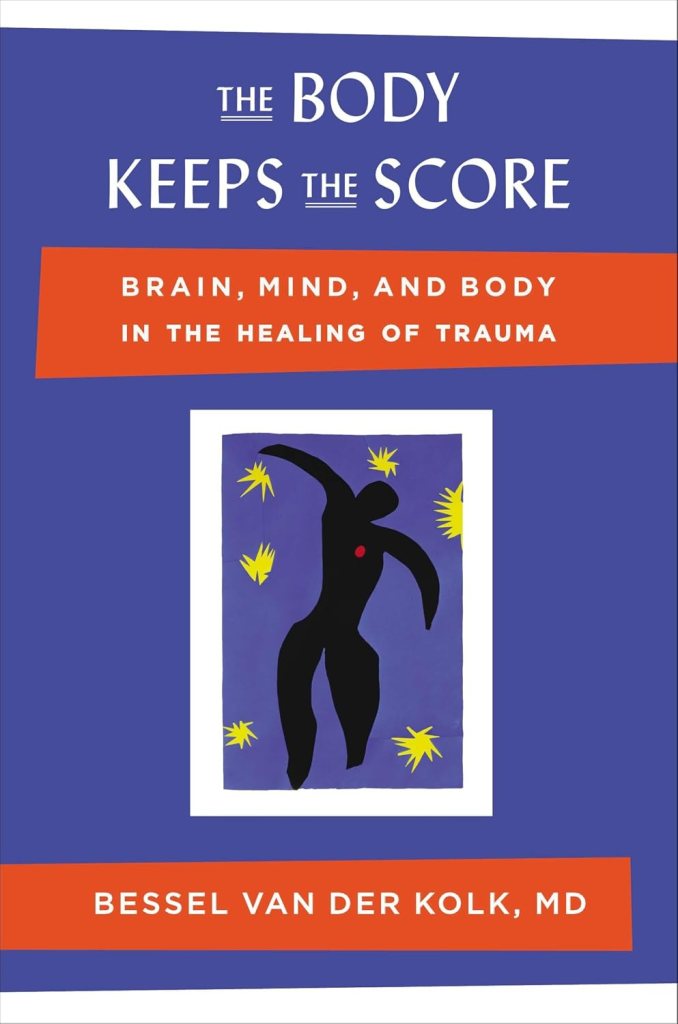
Book covers are shown for identification purposes and remain the property of their respective publishers and authors.
Note: This book review is for informational and educational purposes only. It is not medical advice and should not replace guidance from a qualified healthcare professional. Every brain injury and recovery journey is different.
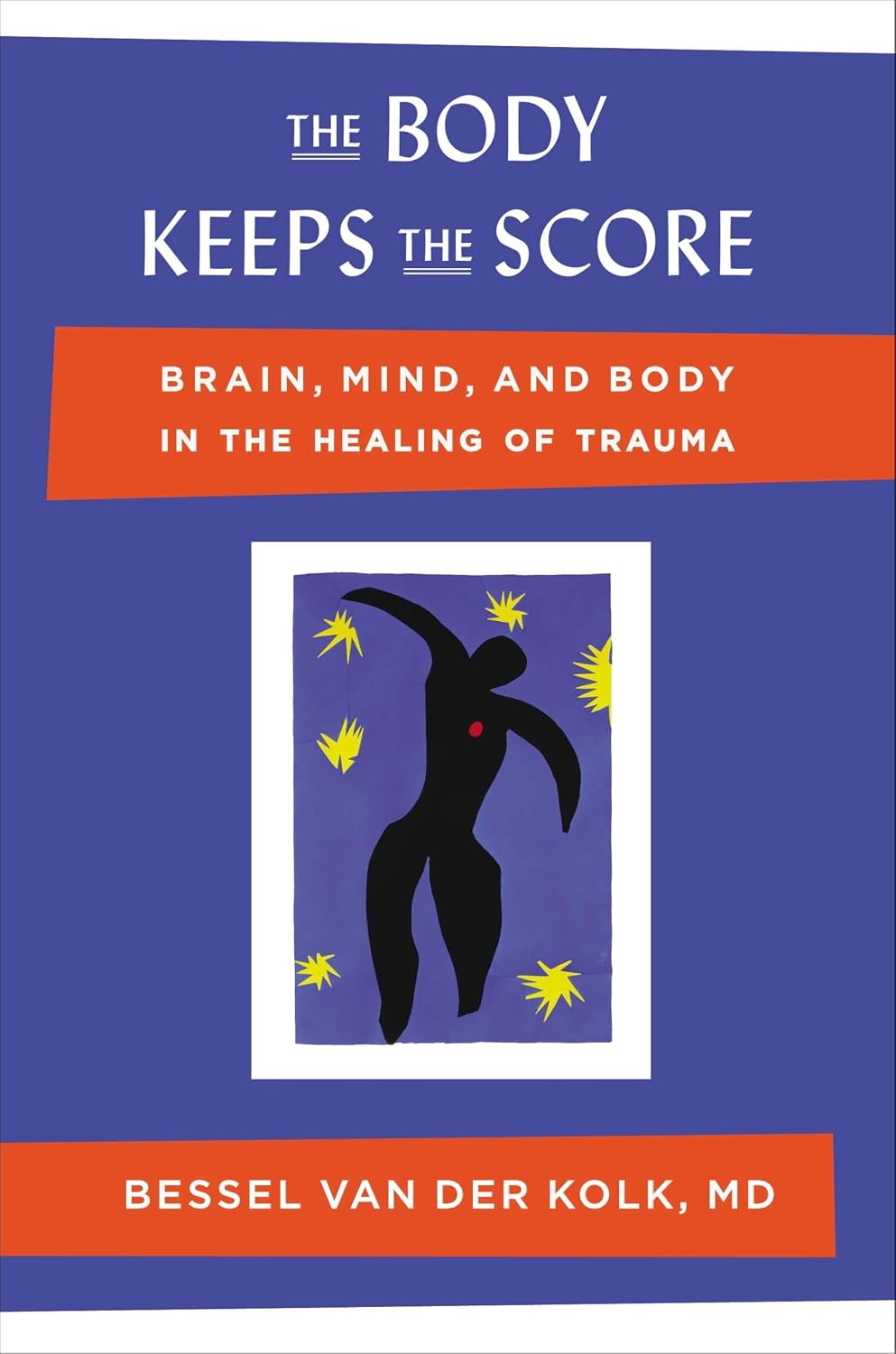


Do you Love Love YOUR Brain?