
Have you ever wondered why some days feel emotionally heavier than others?
Maybe you wake up feeling hopeful, but a small frustration changes your entire day.
Maybe you feel overwhelmed by things that once seemed manageable.
Or maybe, after a brain injury, you find yourself trying to understand emotions that feel different from the ones you experienced before.
Life after a brain injury can bring many unexpected changes. Physical symptoms, fatigue, changes in relationships, and uncertainty about the future can all affect how we feel.
Sometimes, understanding what is happening inside us can be just as challenging as managing the changes we see on the outside.
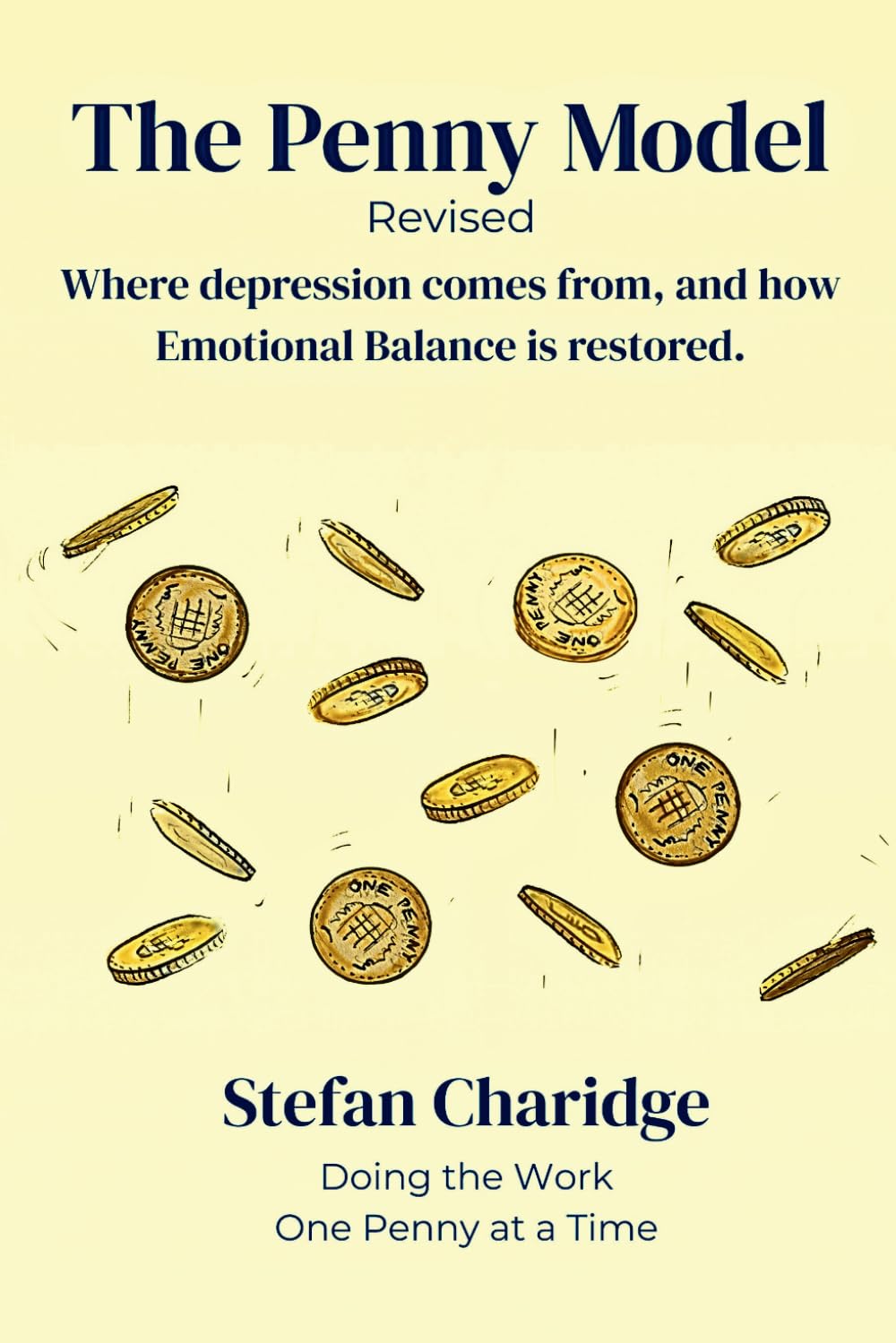
The Penny Model – Revised: Where Depression Comes From, and How Emotional Balance Is Restored by Stefan Charidge explores emotional patterns and offers a framework for understanding how feelings influence our decisions, relationships, and everyday experiences.
Published by Panda Publishing Agency UK in 2026, the book uses accessible metaphors – including pennies, fuels, drones, seesaws, and projectors – to explain ideas about emotional triggers, fear, anger, relationships, and emotional balance. (The Penny Model)
Although this is not specifically a traumatic brain injury (TBI) book, some of its themes may be relevant to people navigating emotional changes after brain injury.
It is important, however, to remember that depression is a complex health condition. Emotional awareness can be helpful, but it does not replace professional assessment or treatment.
🧠 Understanding Your Emotional World After Brain Injury
A brain injury can affect more than memory, concentration, and physical abilities.
It can also affect how you experience and respond to emotions.
You may feel frustrated more quickly.
You may become overwhelmed by noise, busy environments, or demanding situations.
You may feel sad about changes in your independence or miss the person you were before your injury.
You may even find it difficult to explain your feelings to the people around you.
These experiences can leave you wondering why you feel the way you do.
A useful starting point is to become curious about your emotional experiences instead of immediately judging them.
You might ask yourself:
What happened before I started feeling this way?
Am I tired or overwhelmed?
Is there something I need but have not acknowledged?
These questions will not explain every emotional change, but they may help you recognize patterns and communicate your needs more clearly.
💭 Recognizing Emotional Triggers
Sometimes, an emotional reaction begins before we fully understand what triggered it.
A noisy room may leave you feeling irritable.
A change in plans may create anxiety.
A simple misunderstanding may bring up sadness or frustration.
After a brain injury, these moments can be particularly difficult when you are already managing fatigue or other symptoms.
Learning to recognize your triggers may help you identify situations that require more support, preparation, or rest.
For example, if you notice that long conversations leave you emotionally exhausted, you might try taking breaks or explaining your needs to someone you trust.
If unexpected changes make you anxious, a predictable routine may help you feel more prepared.
You do not have to eliminate every trigger.
Sometimes, understanding what affects you is an important first step toward finding ways to manage it.
🌊 Making Sense of Difficult Emotions
Emotions are not always comfortable.
Anger, fear, sadness, and frustration can be difficult to experience, especially when they seem to arrive unexpectedly.
You may even feel guilty about having these emotions.
But experiencing a difficult emotion does not mean you are doing something wrong.
Instead of immediately trying to push the feeling away, you might pause and name it.
“I’m feeling frustrated.”
“I’m worried about the future.”
“I’m sad about what has changed.”
Naming an emotion can help you describe your experience and decide what might help in the moment.
You might need a quiet space, a conversation with someone you trust, or simply some time to rest.
You do not have to understand every feeling immediately.
You can give yourself time to work through it.
❤️ Anger Does Not Make You a Bad Person
Anger can be particularly difficult to navigate after a brain injury.
You may feel angry about the injury itself.
You may feel frustrated when everyday tasks take longer than they used to.
You may become upset when others misunderstand your limitations or expect too much from you.
Sometimes, anger may also arise when you are tired, overstimulated, or struggling to communicate what you need.
The important thing is to recognize the emotion without judging your entire character by it.
Feeling angry does not make you a bad person.
What matters is finding safe and constructive ways to respond.
You might step away from a stressful situation, take a break, write down what you are feeling, or talk with someone who can support you.
You deserve support with difficult emotions, not shame for experiencing them.
⏸️ Learning to Pause Before Reacting
When emotions become intense, it can be difficult to know what to do next.
You might react immediately and later wish you had taken a moment to think.
A short pause may create an opportunity to choose a response that better supports you.
For example, before replying to a frustrating message, you might put your phone down for a few minutes.
If a conversation becomes overwhelming, you might ask to continue it later.
If you notice yourself becoming upset, you might step into a quieter environment if it is safe and practical to do so.
These small actions are not about suppressing your feelings.
They are about giving yourself a little more time and space to respond.
After brain injury, it is also important to recognize that pausing may not always be enough to manage emotional or behavioral changes. If these difficulties are persistent or interfere with daily life, a qualified healthcare professional can help you explore appropriate support.
🌱 Finding Balance Without Expecting Perfection
Emotional balance does not mean feeling happy all the time.
It does not mean never becoming frustrated, anxious, or sad.
And it does not mean you must handle every situation calmly.
Life will always include difficult moments.
After brain injury, some days may be especially challenging because your energy, symptoms, and abilities can vary.
On those days, balance might mean recognizing your limits.
It might mean asking someone to help with a task.
It might mean changing your plans rather than pushing yourself beyond what feels manageable.
Or it might mean accepting that today is difficult without deciding that tomorrow will be the same.
Emotional balance is not perfection. It is learning to respond to yourself with greater understanding and care.
🧩 Understanding Patterns Without Blaming Yourself
One of the ideas explored in The Penny Model – Revised is that emotional patterns can influence everyday experiences and relationships.
Reflecting on those patterns may help you better understand how you respond to certain situations.
But there is an important distinction between understanding your emotions and blaming yourself for them.
If you experience depression after a brain injury, it does not mean you have failed to manage your emotions properly.
Depression can involve biological, psychological, social, and situational factors. Brain injury may also contribute to changes in mood and emotional regulation.
You cannot simply choose your way out of every difficult feeling.
Self-reflection can be useful, but it should not become another reason to criticize yourself.
You deserve compassion, practical support, and appropriate healthcare when you need it.
🤝 Emotional Balance Can Include Asking for Help
Sometimes, we think emotional strength means handling everything on our own.
But asking for help can be an important part of caring for yourself.
You might speak with a trusted friend about what you are experiencing.
You might explain to family members that you need more patience or understanding.
You might work with a therapist or another qualified professional to develop strategies for managing emotional changes.
You may also benefit from connecting with other brain injury survivors who understand the challenges of adjusting to life after an injury.
You do not have to explain everything perfectly to deserve support.
And you do not have to wait until things become unbearable before reaching out.
🌸 Small Steps Can Make a Difference
When you are already dealing with the effects of brain injury, making major changes can feel overwhelming.
That is why small, manageable steps may be a more realistic place to begin.
You could try noticing one emotional trigger this week.
You could take a short break when you recognize that you are becoming overwhelmed.
You could write down a few words about how you feel at the end of the day.
You could practice telling someone what you need instead of expecting yourself to manage everything alone.
You do not need to try every strategy at once.
Choose what feels manageable, and give yourself permission to adjust as needed.
Progress does not have to be dramatic to be meaningful.
🤍 Depression Is Not a Personal Failure
Because this book’s subtitle specifically discusses depression, it is important to approach that topic with care.
Depression is more than having a bad day or experiencing a difficult emotion.
It can affect mood, motivation, sleep, energy, concentration, relationships, and the ability to enjoy everyday activities.
After a brain injury, some symptoms of depression may overlap with other effects of the injury, which can make professional assessment especially important.
If you are experiencing persistent sadness, loss of interest, hopelessness, or other concerning changes, consider speaking with a qualified healthcare professional.
You do not need to manage depression through self-help strategies alone.
And if emotional balance feels difficult to achieve, that does not mean you are failing.
You deserve support, not blame.
💗 Love Love Brain Thoughts
The Penny Model – Revised: Where Depression Comes From, and How Emotional Balance Is Restored by Stefan Charidge is a personal-development book that uses metaphors to explore emotional patterns, triggers, fear, anger, and relationships. (The Penny Model) Although it is not specifically written for people with traumatic brain injuries, its focus on understanding emotions may encourage readers to reflect on their own experiences.
For the Love Love Brain community, we believe one valuable takeaway is the importance of approaching emotional changes with curiosity and compassion. Life after brain injury can involve unexpected feelings, frustrating setbacks, and changes that are difficult to explain. Learning to recognize what you feel and identify what support you need may help you navigate some of those moments.
At the same time, emotional awareness is not a substitute for medical care, and depression is never a personal failure. You do not have to control every emotion or solve every difficulty on your own. Sometimes, the most meaningful step toward emotional well-being is accepting your experience, respecting your limits, and allowing others to help.
💬 We’d Love to Hear From You
Have you noticed changes in your emotions since your brain injury?
What situations tend to leave you feeling frustrated or overwhelmed?
What helps you recognize when you need a break?
Have you found a strategy that helps you communicate your feelings to others?
And what does emotional balance look like for you today?
We’d love to hear about your experiences and the things that have helped you along your journey.
📖 Where to Find the Book
The Penny Model – Revised: Where Depression Comes From, and How Emotional Balance Is Restored by Stefan Charidge was published by Panda Publishing Agency UK in April 2026. The book is available in several formats through booksellers, including print and digital editions. (The Penny Model)
If reading for long periods is difficult after brain injury, consider exploring a digital edition or another format that better suits your reading needs.
🛒 Get the Book on Amazon
Love Love Brain may earn a small commission from qualifying purchases made through our Amazon affiliate links. This comes at no additional cost to you and helps support our work.
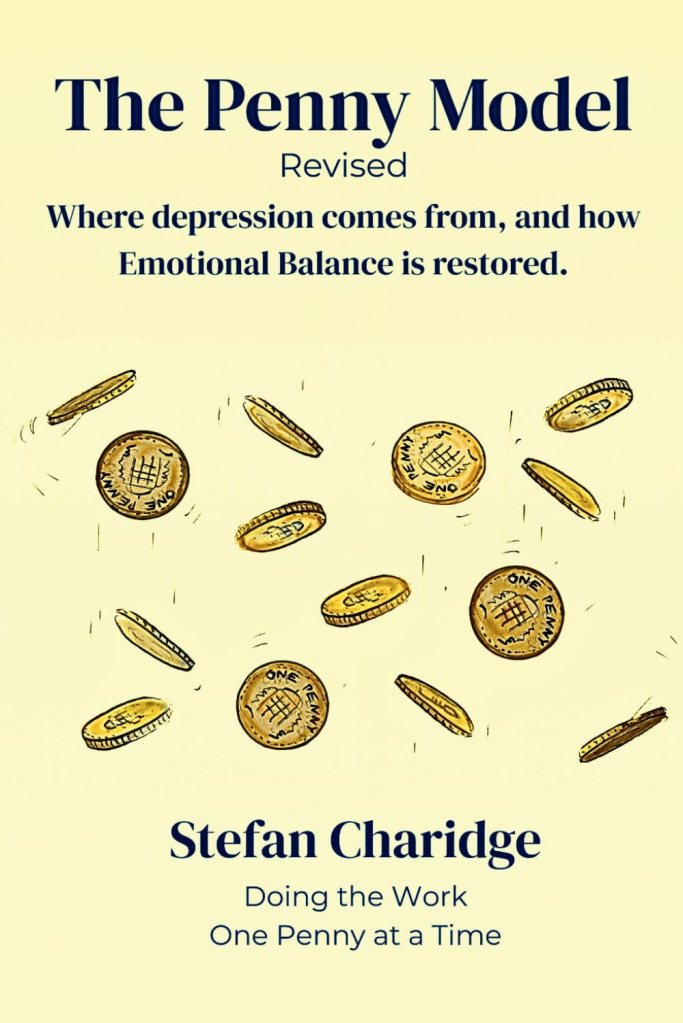
Book covers are shown for identification purposes and remain the property of their respective publishers and authors.
Note: This book review is for informational and educational purposes only. It is not medical advice and should not replace guidance from a qualified healthcare professional. Every brain injury and recovery journey is different.


Do you Love Love YOUR Brain?