
After a traumatic brain injury, remembering information, staying focused, and finding the right strategies for difficult moments can be challenging. Sometimes, reading helpful advice is not enough. You need a way to make that information personal and easier to return to when you need it.
That is why workbook-style books can be especially meaningful for brain injury survivors.
🧠 Why Writing Things Down Matters
Reading about strategies for a better life can give you new ideas. But when you write those ideas down in your own handwriting, the experience can feel different.
You are not simply reading someone else’s advice. You are making it your own.
Writing in a workbook gives you space to record what works for you, what you want to remember, and what might help when life feels overwhelming. Your notes can become a personal reference that you can return to whenever you need support.
📖 A Workbook Designed With Survivors in Mind
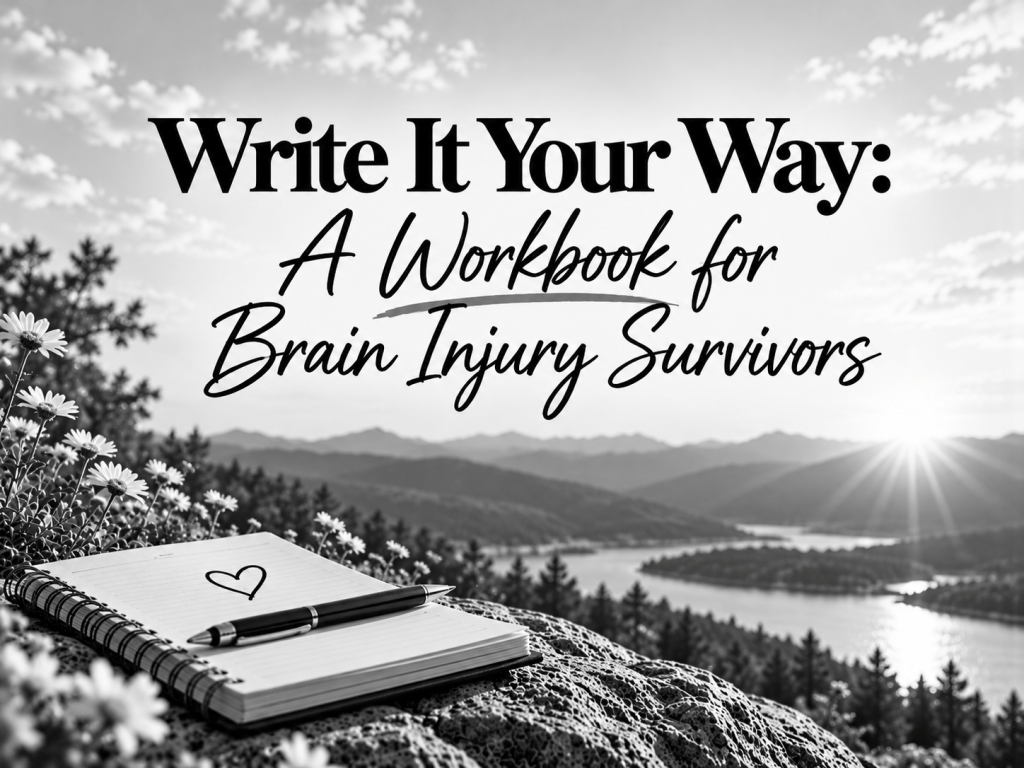
Love Love Brain offers a self-led guide with strategies for acquired brain injury (ABI) survivors. It was designed with accessibility in mind, including a large font and an easy-to-read format for people who may experience memory or focus difficulties.
The workbook includes suggestions and practical ideas, but it also encourages you to write your own notes.
Your experiences are unique. A strategy that helps one person may not work the same way for someone else. Personalizing the workbook gives you room to identify what feels useful in your own life.
💗 You Do Not Have to Do It Alone
There may be days when writing feels difficult. You might have limited energy, trouble concentrating, or difficulty finding the words you want to use.
That does not mean you have to give up.
A loved one or caregiver can sit with you, talk through the ideas, and help write down your thoughts when needed. You can work together to create notes that reflect your needs and preferences.
The goal is not to complete every page perfectly. The goal is to build a resource that supports you.
🌿 Use Your Workbook While You Feel Well
One important lesson Adeline shares is that the best time to prepare may be when you are feeling relatively well, rather than when you are already overwhelmed or struggling.
When you have more energy and focus, you may find it easier to think about what helps you. You can discuss ideas with a caregiver, trusted loved one, or therapist and write down strategies you might want to remember later.
For example, you could record:
🌿 What helps when you feel overwhelmed.
🎯 What makes it easier to concentrate.
🤝 Who you can contact when you need support.
💬 What you want others to understand about your needs.
🛠️ Which strategies you would like to try during difficult moments.
You can then return to your notes when you need a reminder. You do not have to figure everything out from scratch each time.
📝 Make the Workbook Your Own
There is no single correct way to use a workbook. You can write a little at a time, revisit a page, change your notes, or ask someone to help you.
Give yourself permission to work at your own pace. You do not need to finish everything in one sitting, and you do not need to have all the answers immediately.
Your workbook should reflect your life, your challenges, and the strategies that feel right for you.
💗 Love Love Brain Note
You deserve support on the difficult days, and you can begin preparing for those days while you feel well.
Write down what helps you. Ask for assistance when you need it. Keep your notes somewhere easy to find.
You do not have to remember everything on your own. Sometimes, having your own words written down can give you a place to start.
🎥 Watch the Video
Watch Adeline explain why writing personal notes in a workbook can help survivors prepare for difficult moments.
📱 Follow and Support Love Love Brain
If this message speaks to you, please support Love Love Brain by following us on social media. 💗
Stay connected for more stories, reflections, helpful information, and supportive content about brain injury, recovery, resilience, and everyday life.
Click the buttons below to follow and support us on social media:
Note: Every brain injury is different. This content is for education and support, not medical advice.


Do you Love Love YOUR Brain?