
A brain that works differently may also experience the world differently.
Some people notice details that others overlook. They may pick up on changes in facial expressions, body language, tone of voice, sounds, or the emotional atmosphere around them.
For people living with brain injury or other forms of neurodivergence, these experiences can sometimes feel difficult to explain.
It may feel like you know something is wrong before anyone says a word.
It may feel like you understand someone without needing a long conversation.
And sometimes silence can communicate more than words.
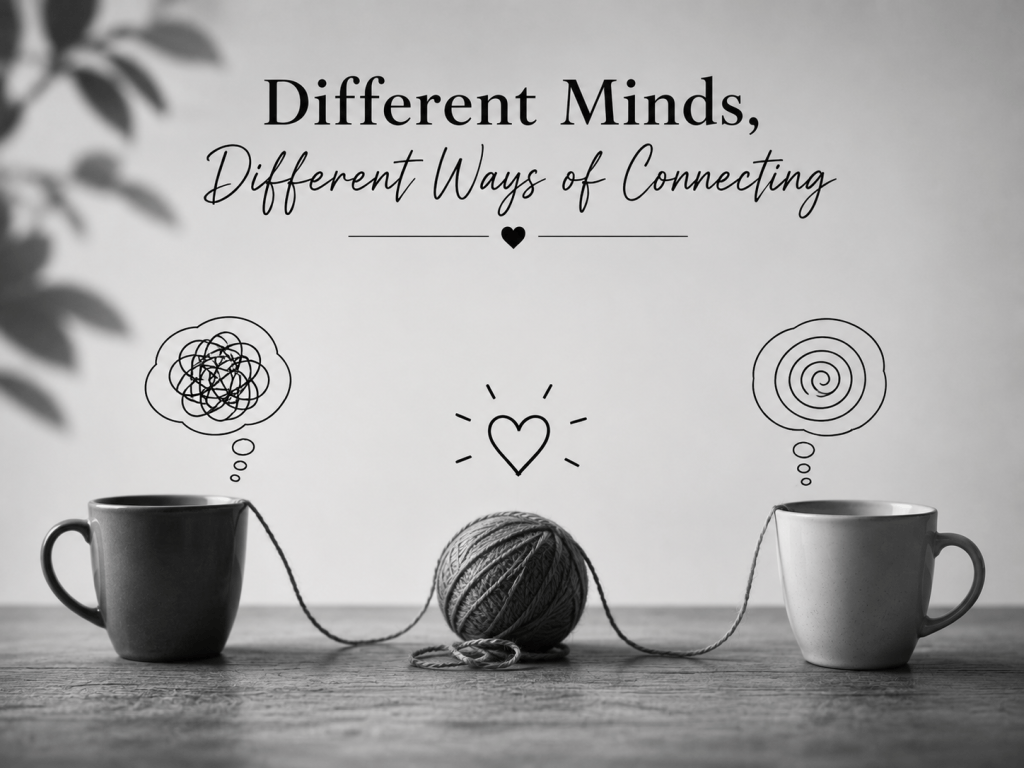
🧠 Different Minds, Different Ways of Connecting
Communication doesn’t always happen through spoken words.
We communicate through:
👀 Facial expressions
🤝 Body language
🎵 Tone and rhythm
💭 Emotional cues
🤫 Silence
📝 Written words
🎨 Creative expression
Sometimes the brain notices small signals that other people may overlook.
👀 Noticing the Little Things
Some people are highly aware of subtle changes around them.
You might notice:
👤 A small change in someone’s expression
🗣️ A different tone of voice
🤲 A change in someone’s body language
🔊 A change in the sounds around you
🌿 A shift in the feeling of a room
These details may seem small to someone else.
But to you they may feel very noticeable.
🧠 When Your Brain Processes Information Differently
A brain injury can sometimes change the way a person experiences sensory information.
Sounds may feel louder.
Busy environments may feel overwhelming.
Emotions may feel stronger.
Small changes in your surroundings may become easier to notice.
This can sometimes feel like too much information.
But it can also mean becoming more aware of things that previously went unnoticed.
🌱 Sensitivity isn’t always a weakness.
Sometimes it is simply part of how your brain processes the world.
💜 Connection Doesn’t Always Need Words
Have you ever been with someone you know well and understood what they were feeling without them saying anything?
Maybe you noticed:
👀 A look
🤝 A gesture
😔 A change in expression
🤫 A moment of silence
Sometimes people understand each other without explaining every detail.
That doesn’t necessarily mean you can literally read another person’s thoughts.
It may simply mean you’re paying close attention to the signals they are giving you.
🌿 Silence Can Communicate Too
Not every meaningful conversation needs words.
Sometimes sitting quietly with someone can communicate:
💜 “I’m here.”
🤝 “I understand.”
🌱 “You don’t have to explain.”
❤️ “You’re not alone.”
For some people with brain injury or neurodivergent experiences, reducing the pressure to constantly communicate verbally can make connection feel easier.
🧩 Different Does Not Mean Less
It’s easy to compare yourself to people who communicate differently.
You might wonder:
💭 “Why can’t I communicate like everyone else?”
But there may be another way to look at it:
What if there are ways of connecting that come naturally to you?
Maybe you notice details.
Maybe you listen deeply.
Maybe you understand someone’s emotions through their body language.
Maybe you communicate better through writing.
Maybe music or creativity helps you express what words cannot.
🌱 Different communication is still communication.
🤝 Find People Who Understand Your Way of Connecting
Not everyone will understand how your brain works.
That’s okay.
Look for people who:
💜 Give you time
👂 Listen carefully
🧠 Respect your communication style
🌱 Don’t pressure you to communicate exactly like they do
🤝 Are willing to learn how you experience the world
The right connections can make you feel less like you need to explain yourself.
✨ Final Thoughts
There isn’t only one correct way to communicate.
Some people connect through conversation.
Others connect through a look.
A gesture.
A shared experience.
Music.
Writing.
Or even comfortable silence.
🧠 Your brain may process the world differently.
💜 That difference doesn’t make your connection less meaningful.
🌱 There may be more ways to understand each other than we realize.
Sometimes the most powerful connection isn’t about finding the perfect words.
It’s about being present enough to notice what isn’t being said.


Do you Love Love YOUR Brain?