
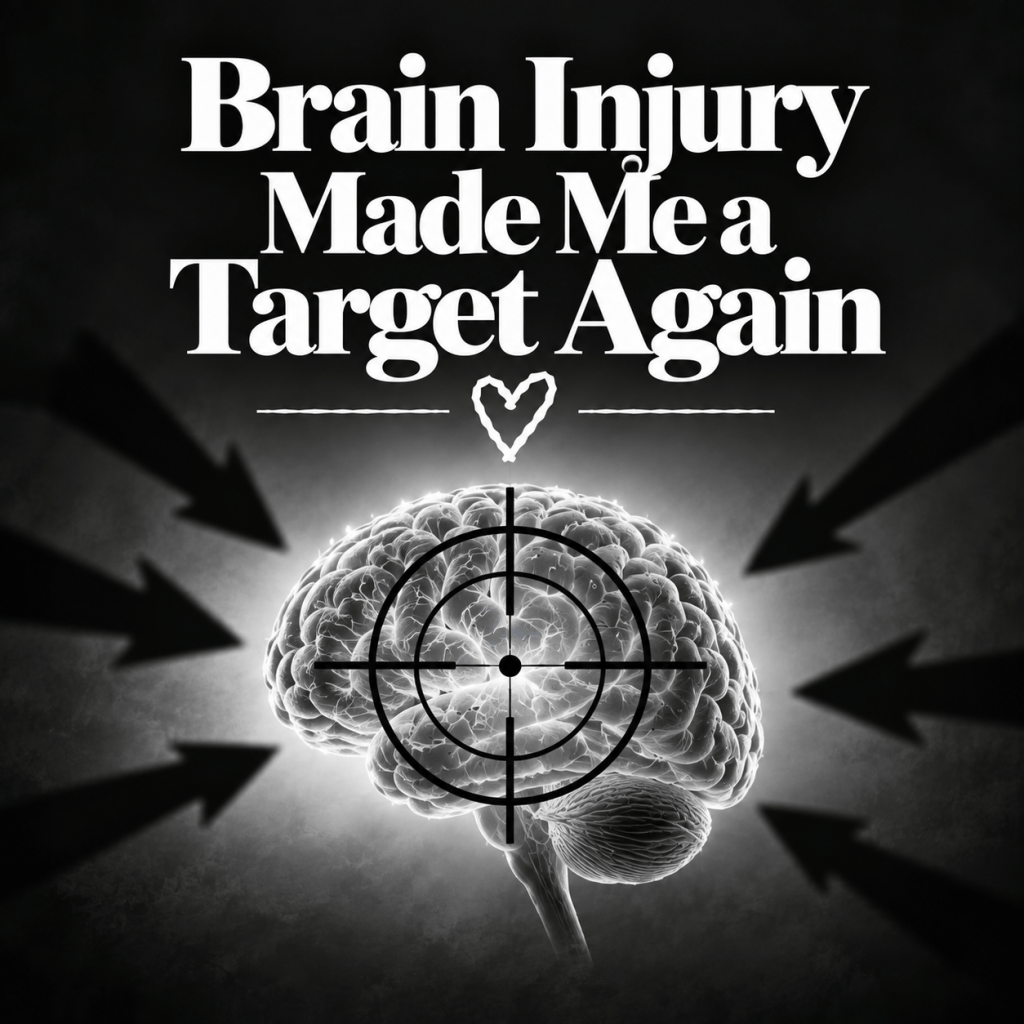
Brain injury can affect far more than memory, speech, or physical abilities.
For some survivors, it can change judgment, boundaries, decision-making, and the ability to recognize when someone is taking advantage of their vulnerability.
In this conversation with Dr. Eric, Adeline openly discusses how her behavior and vulnerability changed after her brain injury and why she now takes additional steps to protect herself.
🧠 Life Changed After Brain Injury
Adeline explains that certain experiences had never happened to her before her brain injury.
After her injury, she describes experiencing inappropriate behavior from people she had known for years, as well as situations involving vulnerability to abuse and theft.
She also describes giving things away when she should not, especially when she feels emotionally like a much younger version of herself.
For Adeline, this can bring back patterns of people pleasing and difficulty reporting what has happened.
💔 When Saying No Becomes Difficult
One of the most important things Adeline shares is:
“I can’t say no.”
She describes situations where someone may cross a boundary, such as touching her knee, and instead of immediately responding firmly, she may laugh or try to soften the situation.
This does not mean that the behavior is acceptable.
A person’s difficulty saying no never gives someone else permission to ignore their boundaries.
🛡️ Creating a Safer Support System
Because Adeline recognizes that she can be vulnerable in certain situations, she has created additional safeguards around appointments.
She explains that she now has two caregivers who live nearby and that she does not attend appointments unless one of them is present.
This is an important example of adapting to life after brain injury.
Instead of blaming herself for difficulties she experiences, she has identified a vulnerability and created a practical support system around it.
🤝 Safety Can Include Having Someone With You
Having a trusted caregiver or support person present can provide another layer of safety for someone who has difficulty recognizing inappropriate behavior, setting boundaries, remembering details, or speaking up in uncomfortable situations.
For Adeline, knowing that a trusted person is nearby helps her feel safe.
Support can look different for every survivor.
It might mean having someone attend appointments, helping review important decisions, checking in after an appointment, or simply being available when something feels uncomfortable.
❤️ Trust Your Discomfort
Adeline’s story also highlights the importance of paying attention when something does not feel right.
If someone touches you in a way you do not want, pressures you, takes advantage of you, asks for something you do not want to give, or makes you feel unsafe, your discomfort matters.
You do not have to laugh it off.
You do not have to protect the other person’s feelings.
You can step away.
You can say no.
You can tell someone you trust.
You can ask for help.
🌱 Recovery Includes Learning New Boundaries
Brain injury recovery is not only about improving symptoms.
It can also involve learning new ways to protect yourself and navigate relationships.
For someone who has become more vulnerable after an injury, developing a safety plan can be an important part of recovery.
That might include:
🤝 Identifying trusted people who can support you.
🛡️ Having someone accompany you to certain appointments.
📞 Knowing who to call when something feels wrong.
📝 Writing down concerns so you can discuss them later.
🚪 Leaving situations that make you uncomfortable.
🗣️ Practicing simple boundary statements such as “No,” “Please don’t touch me,” or “I need to leave.”
❤️ Telling a trusted person when someone has crossed a boundary.
You do not have to handle everything alone.
💗 Love Love Brain Note
Adeline’s experience is deeply personal, but the message about safety is important.
If your brain injury has changed your judgment, impulse control, communication, or ability to recognize unsafe situations, it is okay to acknowledge that you may need additional support.
Needing protection does not make you weak.
Having a caregiver present does not mean you have failed.
Asking someone you trust to help you make decisions does not take away your independence.
Sometimes, building a support system is part of becoming more independent.
Most importantly, if someone takes advantage of your vulnerability or crosses a boundary, the responsibility belongs to the person who chose to do that.
You deserve to feel safe, respected, and heard. 💗
🎥 Watch the Video
Watch Adeline’s conversation with Dr. Eric:
📱 Follow and Support Love Love Brain
If this message speaks to you, please support Love Love Brain by following us on social media. 💗
Stay connected for more stories, reflections, helpful information, and supportive content about brain injury, recovery, resilience, and everyday life.
Click the buttons below to follow and support us on social media:
Note: Every brain injury is different. This content is for education and support, not medical advice.


Do you Love Love YOUR Brain?