
Have you ever felt so frightened that you struggled to think clearly? And after the situation passed, did you criticize yourself for how you reacted?
In this conversation, Adeline shares a personal experience involving a painful sore throat, an emergency call, and the different emotional reactions she noticed afterward.
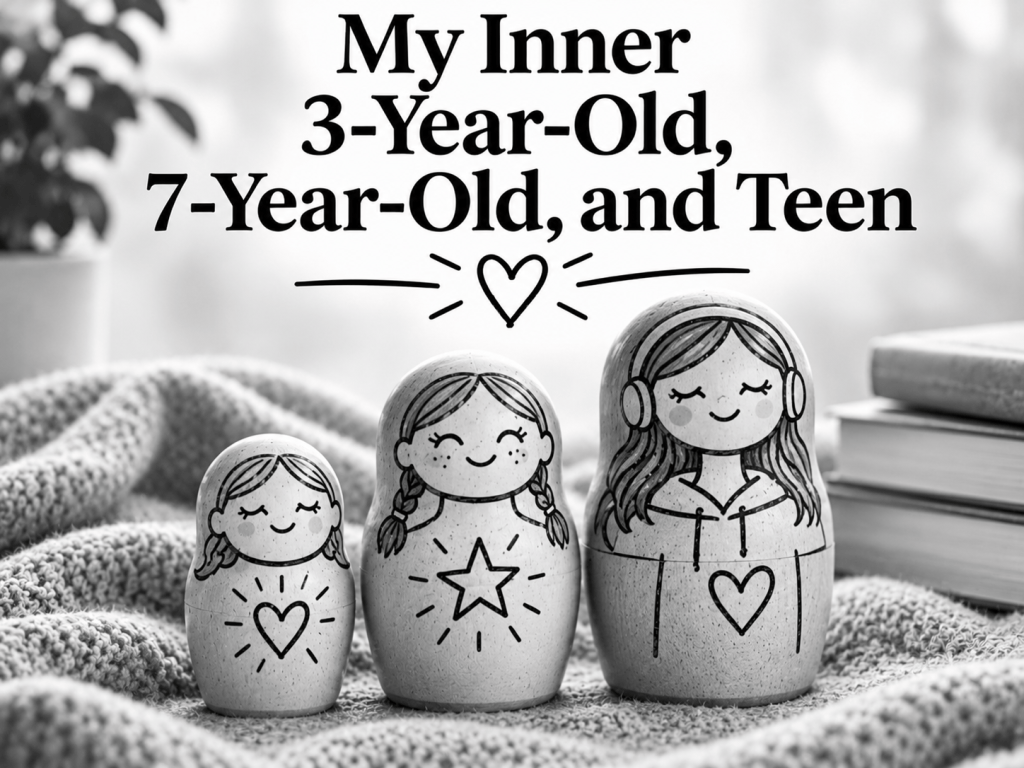
Using Dr. Beth’s Inner Family Zoo framework, Adeline explains how her inner three-year-old, super seven-year-old, and inner teenager responded during the experience.
Her story offers an important reminder: instead of judging ourselves for feeling afraid, we can learn to understand our emotions and respond with compassion.
😟 When Fear Takes Over
Adeline explains that she had been experiencing a very painful sore throat. Although she had already visited a doctor, she woke up one morning feeling severe pain and became extremely frightened.
She worried that something terrible might happen, so she called 911.
Paramedics and firefighters arrived to check on her. Adeline describes feeling overwhelmed and frightened while they assessed her.
Having the emergency responders around helped her feel safer and calmer.
This experience shows how fear can feel overwhelming in the moment, especially when we are worried about our health.
🧸 The Inner Three-Year-Old: Feeling Scared
Through Dr. Beth’s framework, Adeline recognized that her vulnerable inner three-year-old had taken over during the frightening experience.
This part represents the emotional side of ourselves that may feel frightened, helpless, or overwhelmed.
When Adeline was worried about her sore throat, she felt that intense fear.
Rather than judging that reaction, she was able to recognize what was happening inside her.
Sometimes, what we need most during a frightening moment is reassurance, comfort, and a sense of safety.
🦸 The Super Seven-Year-Old: Feeling Ashamed
After the emergency responders helped her calm down, Adeline noticed another emotional reaction.
Her super seven-year-old became embarrassed and critical.
She began judging herself for calling 911. She questioned her decision and felt ashamed about needing help.
This is an example of how we can experience different emotions after a difficult situation.
First, we may feel frightened. Then, when the immediate danger seems to have passed, we may criticize ourselves for how we reacted.
But being frightened does not mean you did something wrong.
👑 The Inner Teenager: Becoming Defensive
Adeline then noticed her inner teenager becoming defensive.
She remembered the generous support she had given the fire department and police department through donations and community events.
Her reaction was essentially that they should not mind coming to help her because she had supported them over the years.
This part of the experience shows how quickly our emotions can change.
Fear may be followed by embarrassment, and embarrassment may turn into defensiveness.
Recognizing these different reactions helped Adeline understand her experience rather than simply getting caught up in it.
💗 Learning to Respond With Compassion
One of the most meaningful parts of Adeline’s story is what she was able to do afterward.
She recognized the different emotional parts of herself and began to understand why each one had responded the way it did.
Instead of criticizing herself or becoming angry with the emergency responders, she chose to look at everyone with compassion.
She realized that everyone involved was doing the best they could with how they were feeling in that moment.
Adeline explains that being able to apply Dr. Beth’s work over the following two or three days helped her process the experience differently.
Rather than remaining stuck in fear, embarrassment, or defensiveness, she could approach the situation with greater understanding and kindness.
🌱 What Can We Learn From Adeline’s Experience?
Adeline’s story reminds us that we can experience several emotions during and after a frightening event.
We might feel scared in one moment, embarrassed in the next, and defensive afterward.
Instead of judging ourselves for these reactions, we can pause and ask:
💭 What am I feeling right now?
😟 Am I frightened, embarrassed, or defensive?
🛡️ What might I need to feel safe?
💗 Am I being too hard on myself?
🌷 Can I look at this situation with more compassion?
Understanding our emotions does not mean every reaction is right or that we should ignore our responsibilities. It means giving ourselves an opportunity to understand what happened before deciding how to respond.
And importantly, never let embarrassment stop you from seeking medical help when you are worried about your health.
💗 Love Love Brain Thoughts
Adeline’s experience offers a valuable reminder about self-compassion, especially when we feel vulnerable.
We may sometimes judge ourselves for becoming frightened, asking for help, or reacting emotionally. But difficult moments do not make us weak or foolish.
Through Dr. Beth’s Inner Family Zoo framework, Adeline has found a way to recognize her emotional reactions and respond with greater understanding.
Here are a few reminders inspired by their conversation:
🌷 It is okay to feel afraid.
🤝 Asking for help is not something to be ashamed of.
💗 You do not have to criticize yourself for having strong emotions.
🌊 Different feelings can appear one after another.
🌱 You can learn from an experience without judging yourself.
🫂 Compassion can help you understand yourself and others.
You deserve kindness during frightening moments, not just when everything is going well.
💬 We’d Love to Hear From You
Have you ever felt embarrassed about asking for help or reacting emotionally during a difficult situation?
How do you show yourself compassion after a frightening experience?
Share your thoughts in the comments. Your story may help someone else feel understood and less alone. 💗
🎥 Watch the Video
Watch Adeline share her experience with a painful sore throat, calling 911, and recognizing her different emotional reactions through Dr. Beth’s Inner Family Zoo framework.
🌐 Connect with Dr. Beth
Learn more about Dr. Beth, her books, coaching, and other work through her website and social media channels.
🌐 Website: drbeth.com
📸 Instagram: @drbethh
👍 Facebook: Dr. Beth Teenologist
▶️ YouTube: @drbethh
📦 Get the book on Amazon: Reclaim Your Sanity
Disclosure: Love Love Brain may earn a commission from qualifying purchases made through the Amazon link, at no additional cost to you.
📱 Follow and Support Love Love Brain
If this message speaks to you, please support Love Love Brain by following us on social media. 💗
Stay connected for more stories, reflections, helpful information, and supportive content about brain injury, recovery, resilience, and everyday life.
Click the buttons below to follow and support us on social media:
Note: This article shares Adeline’s personal experience and discusses Dr. Beth’s Inner Family Zoo framework as a tool for self-reflection and emotional awareness. It is not medical advice or a substitute for professional care. Severe or concerning symptoms should be assessed by a qualified medical professional. Every brain injury and recovery experience is different.


Do you Love Love YOUR Brain?